My Ten Favorite Reads of 2024

I read over 150 books this year, and these were my favorites. Most lists of top reads are books published in the current year. None of these books happened to be published in 2024; this is just the year I read them. I don’t often read books when they first come out. I did read several books from 2024, but none of them made my particular list.

I read across many genres as this list will attest. All of these are ones I enjoyed enough to give five stars. If I enjoy a book all the way through (without a snooze fest in the middle) and am happy with the ending, I will generally give it 5 stars. I’m not necessarily grading the writing or questioning their research. These are just books that made me happy, that I would read again, and that I would gladly recommend to others–starting with you.

I had four books in the historical fiction category (one of those a historical mystery); one mystery; one fantasy; three contemporary or literary fiction; and one biography.

  1. The Frozen River by Ariel Lawhon (2023). In Maine, 1789. Martha Ballard, a local midwife, is called in to examine a body found frozen in the ice. She recognizes the man has someone who has caused trouble to many in town, including being accused of rape. Martha knows everyone in town and is privy to most of their secrets. Over the next several months, she testifies as to the cause of death (though a new doctor from Harvard disagrees with her) as well as being a witness of another man accused of rape, a prominent judge. Ballard is based on a real midwife of that time who kept a diary that has been preserved. Lawhon does an excellent job of telling her story, making the time and place come alive. I read this with a book group and everyone loved it
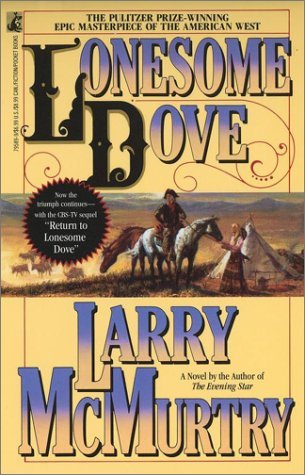
2. Lonesome Dove Larry McMurty. (1985). I read this Pulitzer winner (fiction in 1986), beginning in January as a slow read throughout the year with an online group. McMurty is an awesome writer who knows how to create memorable characters. Former Texas Rangers, now running a ranch where they break and sell horses, decide to make a cattle drive to Montana where the grass is green and land abundant. At times hilarious and others heart-breaking, these wannabe cowboys are ones you will cheer for through all 858 pages.
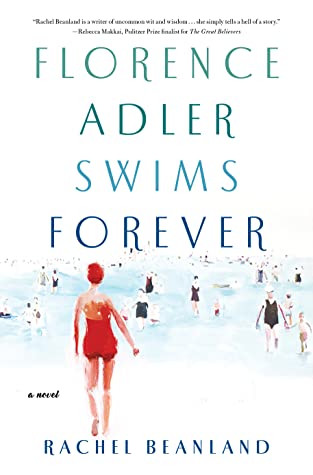
3. Florence Adler Swims Forever Rachel Beanland. (2020) Though this book is full of sadness, I enjoyed reading about this family and what they did to handle their grief and protect their children. It’s 1934 and Esther and Joseph Adler have rented out their house to vacationers and are staying in their apartment over the bakery where they started their lives. Their daughter, Florence, is home from college and training to swim the English Channel. Fannie is pregnant and on bedrest because she lost her last baby. Joseph is trying to help an old friend emigrate from Nazi Germany and has already brought over her daughter. The author’s note at the end is not to be missed. P.S. I read her second book, The House is on Fire and it was excellent as well.
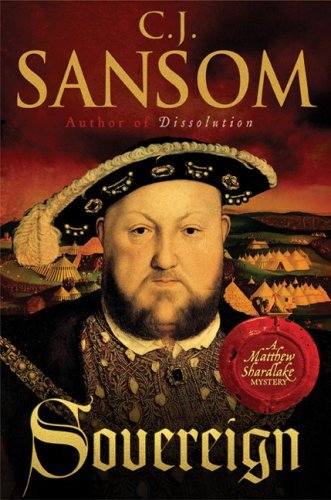
4. Sovereign C.J. Sansom. (2006) (Matthew Shardlake #3). The third in this historical mystery series takes place in the fall of 1541. Henry VIII has set out on a Progress to the North to force his rebellious subjects in York to submit to him, turning it into a public spectacle. Lawyer Matthew Shardlake and his assistant Jack Barak have been sent ahead as part of the legal process of submitting petitions to the king. Shardlake has also been instructed by Archbishop Cranmer to look after a prisoner—one destined for the tower. He must make sure the prisoner stays alive to face the rack. Shardlake is unhappy with this task but has little choice. Shardlake soon finds himself investigating a murder and learning more than he wants to know about a conspiracy. Will he and Jack make it home alive? This is an excellent series in terms of historical events and people, constant suspense, and engaging characters. 5 stars. (Note: Sadly, Sansom died just two days before the Shardlake series premiered on Hulu/Disney).
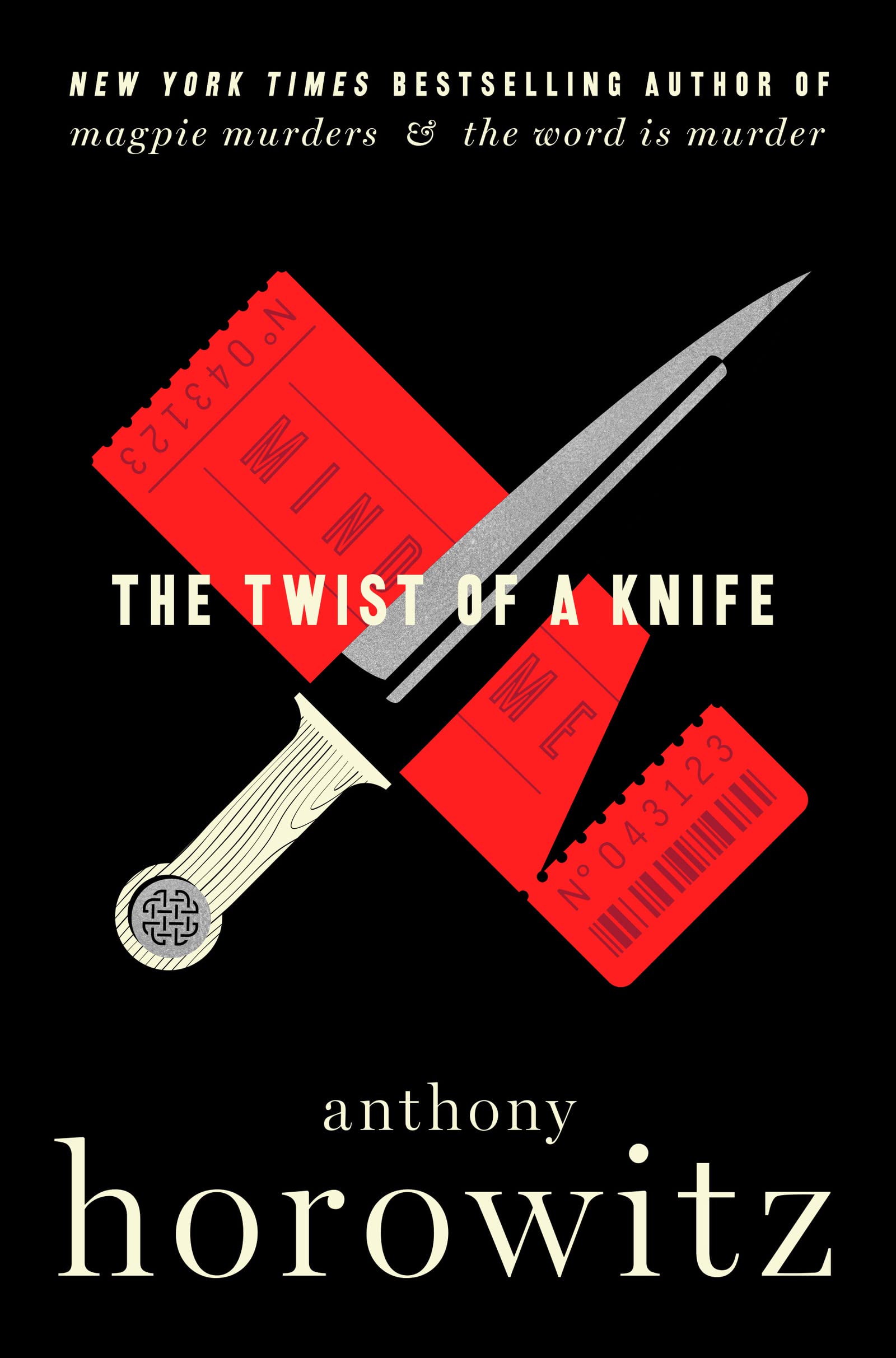
5. The Twist of a Knife Anthony Horowitz (Hawthorne & Horowitz #4). (2022) In this fourth installment of the series, Horowitz tells Hawthorne he is not interested in writing any more books. He has a new play about to open, and all his concentration is on that. On opening night, a well-known (though not well-loved) critic shows up at the cast party and before the night is over, writes a scathing review of the play. When she is found dead the next morning, Anthony is arrested for her murder. Who can he call on but Hawthorne? As with the other books in the series, Horowitz (via Hawthorne) leads us through a slew of suspects who all have motives, yet there are twists and surprises at the end. 
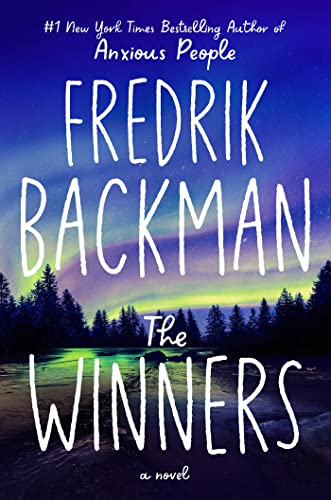
6. The Winners Fredrik Backman (Beartown Trilogy #3). (2022). We return to Beartown where two years have passed since the event that shook up the town in the first book. Maya has gone away to college; Benji has been traveling around as if in a daze; Peter is working for his wife, Kira. The death of someone in the community brings the wanderers home and everyone back together; for a time. Backman has a way of bringing his characters to life so that you share their heartaches, frustrations, misunderstandings, hate, and love. At times, this one got a little long, but I certainly didn’t want to put it down.

7. The Cartographers Peng Shepherd (2022). Nell Young has always been fascinated with cartography and wants to do nothing else. Not so surprising since her father, Dr. Daniel Young, is a well-known cartographer with a highly esteemed position with the New York Public Library. But, some years ago, Dr. Young fired his daughter from her job at the NYPL and made sure she would never work again in the field. Nell never learned why her father became so enraged over her finding of a cheap gas station highway map. And now, Dr. Young has been found dead in his office. When Nell finds the supposedly worthless map hidden in his desk, she has to investigate. What she finds leads her into danger and into a strange world where maps have secrets. I greatly enjoyed this fantasy where different worlds and secrets collide.
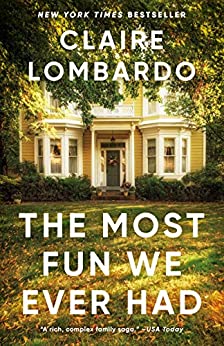
8. The Most Fun We Ever Had Claire Lombardo (2019). Family drama in which four adult daughters–whose parents seem to have the perfect marriage—bring love, hate, jealousy, comedy, and drama to the table. The story goes back and forth in time from when Marilyn and David fell madly in love to the present day when an unexpected member of the family shows up–bringing tension, love, and forgiveness. The four daughters have different personalities and different goals, but their ties are strong. I loved the story itself as well as the way the family dynamics played out. 
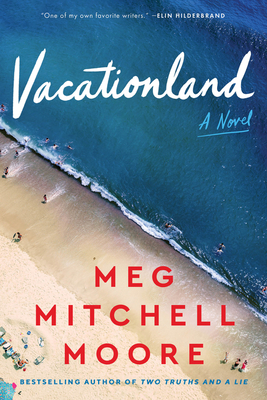
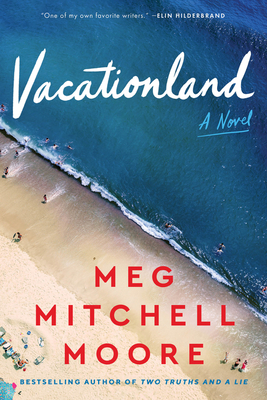
9. Vacationland Meg Mitchell Moore (2022). A family drama set in Maine during the summer. Louisa comes to her parents’ home in Maine with her three children (who are just the best characters!) needing to finish her book and full of resentment over her husband’s seeming lack of commitment. Her father, a well-respected judge, is now suffering with Alzheimer’s, and her mother is trying to keep everything together. Kristie has also come to Maine following the death of her mother, trying to find answers concerning her past. Most family dramas seem to involve adult children, which is fine, but I greatly enjoyed hearing the voices of these three: Matty (age 12), Abigail (10), and Claire (7). Their wisdom, perspective, and charm added depth to the book and made even the darkest moments lighter.

10. Being Elisabeth Elliot: The Authorized Biography: Elisabeth’s Later Years Ellen Vaugn (2023). Though I’ve known that Elisabeth Elliot was the wife of Jim Elliot, a missionary killed in Ecuador, that’s pretty much all I knew about her. A shame since she was living and writing during my younger years. So, this book relates the second part of Elliot’s life. I did not read the first book, so that’s not necessary but I would like to go back and read it. Though Elliot went through many heartaches and faced discouragement and despair (including often not pleasing the “Christian crowd”), her faith remained strong and she constantly looked to the Lord for answers and direction. Unfortunately, she did not always make the best decisions and there was one that would cause her much grief. A good example of the impact Elisabeth had on others was given by Cornell Capa, a non-believing photographer who spent some time with Elisabeth and other “missionary widows.” In spite of his own unbelief, Cornell saw that Elisabeth’s faith was deep. “Then there’s you—and a million others—who are not satisfied with the trimmings. You are in the core. You know that He is there because you know He is there. You know that it seems God was NOT THERE when you wanted Him, yet you say you know He was there.”

Happy New Year! May 2025 be filled with many great reads!

Great is the LORD, and greatly to be praised, and His greatness is unsearchable.” Psalm 145:3

Favorite Reads from August ’24

“The only ethical principle which has made science possible is that the truth shall be told all the time. If we do not penalize false statements made in error, we open up the way for false statements by intention. And a false statement of fact, made deliberately, is the most serious crime a scientist can commit.”
― Dorothy L. Sayers, Gaudy Night

Gaudy Night Dorothy Sayers (Lord Peter Wimsey #12) From a mystery series written back in the 1930’s, we meet Harriet Vane, a graduate of Shrewsbury College, Oxford and now a popular mystery writer, going back to attend the annual Gaudy celebration after ten years. While there, Harriet receives a poison pen letter, but goes back home thinking little of it. When other malicious and vandalous acts occur, Harriet is asked to come back to help the professors find out who is behind them, wanting to avoid calling in the police. Though Harriet agrees, she feels in over her head and eventually asks her friend, Lord Peter Wimsey, for help. This mystery is told with an engaging with and through many philosophical conversations. Several in my book club found it too long and wordy, but others (including myself) enjoyed the entertaining dialogue and the chance to improve our vocabulary. 4 stars

The Warmth of Other Suns: The Epic Story of America’s Great Migration Isabel Wilkerson (audio—Robin Miles). (non-fiction) From 1915-1970, an exodus of almost six million black people left the South for a better life in the northern and western parts of the U.S. Wilkerson chose three very different people from different decades to illustrate the whys and hows of this migration. Ida Mae Gladney left sharecropping in Mississippi in 1937 and moved to Chicago. George Starling left Florida in 1945 for Harlem. A medical doctor, Robert Foster, left Louisiana in 1953 for California. Their struggles and successes and the changes these moves brought for their families has been well documented by Wilkerson with personal interviews and research. I listened to this on audio and though it got a bit long, I enjoyed it overall. Very interesting look at an important part of U.S. history. 4 stars

Finding Margaret Fuller Allison Pataki. (historical fiction) In 1836, Margaret Fuller was invited by Ralph Waldo Emerson to come to his home and meet his friends who will become known as the Transcendentalists. Fuller becomes close friends with Emerson as well as Thoreau, and eventually Nathaniel Hawthorne. She also meets the Alcott family and enjoys the company of their three young daughters including Louisa May. Fuller forges her own path through her writings and begins to host a women-only literary salon. Horace Greeley hires her to write for his newspaper, and soon sends her to Europe where she becomes the first female foreign correspondent. Fuller falls in love with Italy and a particular Italian noble. A fascinating, though tragic, tale of a woman who made history in many ways yet is rarely heard of today. 4 stars

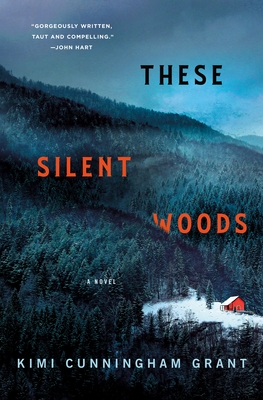
These Silent Woods Kimi Cunningham Grant. For eight years, Cooper has been living with his daughter, Finch, in total isolation in a cabin in the Appalachian woods. They do have one neighbor who knows Cooper’s secret, but Cooper doesn’t trust him and doesn’t appreciate the way Scotland keeps an obvious eye on the two of them.  Finch adores him, but since she knows only Scotland, Cooper, and the owner of the cabin, Jake, Finch’s approval doesn’t impress Cooper. Jake comes every year to bring them supplies, but one year he doesn’t show up. Cooper has some decisions to make. He knows he can’t stay there forever or keep Finch from the real world much longer. Though I was exasperated with Cooper and his decisions at times, overall, I enjoyed this one, especially the ending. 5 stars

The Golden Tresses of the Dead (Flavia de Luce #10) Alan Bradley. The tenth book in the Flavia de Luce series. If you haven’t met Flavia before, I suggest you go back and read the whole series. You won’t be disappointed. This one opens at the wedding of Flavia’s sister, Ophelia. A beautiful wedding in a small English town in the 1950’s. Beautiful until Ophelia cuts into her wedding cake and screams. Not being your average 12-year old, Flavia is intrigued rather than alarmed and quickly takes charge of the situation. With the help of Dogger, estate gardener and expert in many things, Flavia begins an investigation which, of course, will eventually include murder. 4 stars

I’m Afraid You’ve Got Dragons Peter S. Beagle. Dragon catcher/exterminator Gaius Aurelius Constantine Heliogabalus Thrax (please just call him Robert) has inherited the job from his father but his dream is to become a prince’s valet. He’s actually rather fond of some dragons. When he is called in to clean up the very infested castle of the king (whose daughter is desperate to impress a prince), the job leads to him meeting the prince’s valet. The valet needs a favor; a big favor concerning a dragon. Can Robert use this to his advantage? I loved these characters, and the way they came together to face their challenges. 5 stars

Vacationland Meg Mitchell Moore. A family drama set in Maine during the summer. Louisa comes to her parents’ home in Maine with her three children (who are just the best characters!) needing to finish her book and full of resentment over her husband’s seeming lack of commitment. Her father, a well-respected judge, is now suffering with Alzheimer’s, and her mother is trying to keep everything together. Kristie has also come to Maine following the death of her mother, trying to find answers concerning her past. Most family dramas seem to involve adult children, which is fine, but I greatly enjoyed hearing the voices of these three: Matty (age 12), Abigail (10), and Claire (7). Their wisdom, perspective, and charm added depth to the book and made even the darkest moments lighter. 5 stars

Favorite Reads of April ’24

Some of these things are true and some of them lies. But they are all good stories.” Hilary Mantel in Wolf Hall

Being Elisabeth Elliot: The Authorized Biography: Later Years Ellen Vaughn. Though I’ve known that Elisabeth Elliot was the wife of Jim Elliot (a missionary killed in Ecuador in 1956), that’s pretty much all I knew about her. A shame since she was living and writing during my younger years. So, this book relates the second part of Elliot’s life. I did not read the first book, so that’s not necessary but I would like to go back and read it. Though Elliot went through many heartaches and faced discouragement and despair (including often not pleasing the “Christian crowd”), her faith remained strong and she constantly looked to the Lord for answers and direction. Unfortunately, she did not always make the best decisions and there was one that would cause her much grief. A good example of the impact Elisabeth had on others was given by Cornell Capa, a non-believing photographer who spent some time with Elisabeth and other “missionary widows.” Cornell “was exposed to an evangelical subculture he had never known existed. He developed a great curiosity about the work of these people so compelled to carry a message of faith and redemption that they were willing to die for it. Elisabeth, who had grown up in environments where depictions of life had to be airbrushed of any ‘wrong messages’ in order to be presented in a religiously attractive way, loved Cornell’s bluntness, good humor, and uncompromising eye.”

In spite of his own unbelief, Cornell saw that Elisabeth’s faith was deep. “Then there’s you—and a million others—who are not satisfied with the trimmings. You are in the core. You know that He is there because you know He is there. You know that it seems God was NOT THERE when you wanted Him, yet you say you know He was there.” 5 stars

Sovereign C.J. Sansom (Matthew Shardlake #3). The third in this historical mystery series takes place in the fall of 1541. Henry VIII has set out on a Progress to the North to force his rebellious subjects in York to submit to him, turning it into a public spectacle. Lawyer Matthew Shardlake and his assistant Jack Barak have been sent ahead as part of the legal process of submitting petitions to the king. Shardlake has also been instructed by Archbishop Cranmer to look after a prisoner—one destined for the tower. He must make sure the prisoner stays alive to face the rack. Shardlake is unhappy with this task but has little choice. Shardlake soon finds himself investigating a murder and learning more than he wants to know about a conspiracy. Will he and Jack make it home alive? This is an excellent series in terms of historical events and people, constant suspense, and engaging characters. 5 stars. (Note: Sadly, I just learned (4/29) that Sansom has died. This is two days before the Shardlake series is to premiere on Hulu).

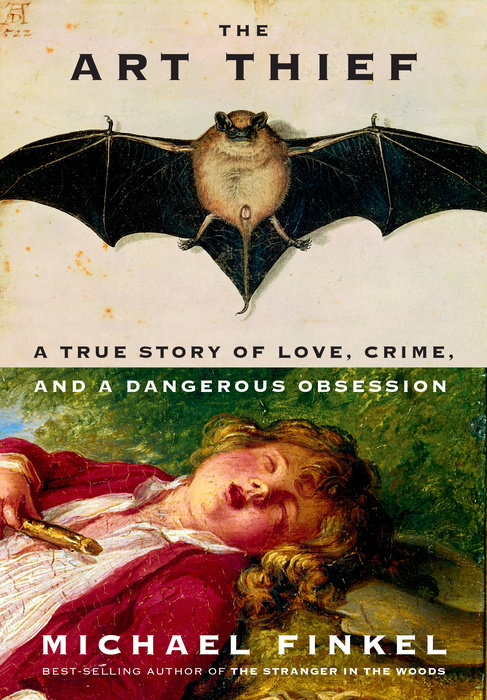
The Art Thief: A True Story of Love, Crime, and a Dangerous Obsession Michael Finkel. The strange true story of an unusual art thief. Most art thieves focus on a particular object and do it for the money. Stephane Breitwieser saw an object he wanted and generally just walked off with it. Living with his girlfriend in his mother’s attic, his room was soon filled with priceless objects from museums and cathedrals all over Europe. In just eight years, Breitwieser made off with over two hundred objects. Was he a kleptomaniac? A true art lover? Or just mad? And what about his girlfriend? Did she never feel a twinge of conscience or was it all just a game? 4 stars

City Under One Roof Iris Yamashita (Cara Kennedy #1). When a severed hand and foot washes up on the beach near the small town of Point Mettier, Alaska, Cara Kennedy, a detective from Anchorage, shows up to investigate, but also with her own agenda. Point Mettier is quite isolated and when a blizzard closes the tunnel that leads into the city, everyone (including Kennedy) is stuck there indefinitely. All 205 residents of the town live in the same building and it doesn’t take long for Cara to meet several of this strange and motley crew. As if that wasn’t enough, a gang from a nearby village shows up armed and ready for trouble. A great start to a new series. I look forward to reading the second which came out recently. 4 stars

The Winter Sea Susanna Kearsley (Scottish Series #1). Carrie McClelland writes historical fiction and during her research in Scotland, a story becomes alive to her in ways she can’t explain. Does she have ancestral memory? Is there such a thing? In the spring of 1708, Jacobites are making plans to bring James Stewart out of exile in France to reclaim his crown in Scotland. As characters come and go at Slains Castle, plots are formed, romance blooms, and betrayal is uncovered. Kearsley is one of my favorite writers of historical fiction. The third book is a prequel of this one, and I hope to get to it soon. 4 stars

The Prisoner of Heaven (The Cemetery of Forgotten Books #3) Carlos Ruiz Zafon. Translated from the Spanish, this series began with Shadow of the Wind one of the best-selling books in Spain and for good reason. I have heard you don’t need to read these books in order. Well, of course, you don’t need to but you will certainly miss out on a lot of backstory if you start with this one. We pick up Daniel and Fermin’s story from Shadow of the Wind, and David Martin from book two is also featured. Fermin is about to be wed but he has a problem. He has been using a false identity for years. How can he legally marry without putting himself in danger? Daniel is unaware of Fermin’s dilema until a sinister-looking stranger shows up at the Sempere bookshop looking for Fermin. When Daniel tells Fermin about him, he eventually learns the whole story of Fermin’s past. It’s not a pleasant story and I found it difficult to get through some of that, but overall enjoyed learning more of Daniel and Fermin. 4 stars

Wolf Hall Hilary Mantel (Cromwell #1). Winner of the Booker Prize in 2009 and the Walter Scott Prize in 2010 (and nominated for several others), Mantel writes of England in the 1520’s. Henry VIII desperately wants to annul his marriage of twenty years and marry Anne Boleyn; even (maybe especially) if it means taking control of the church and making himself the head of the church in England. Thomas Cromwell is willing to do whatever the king wants and has the charm, persuasion, and amorality to do it. Mantel’s writing can take some getting used to, but worth the trouble as you get into the rhythm. I read this a few years and read it again to participate in a year-long read-along (#wolfcrawl) with all 3 books in the Cromwell Trilogy. 4 stars

Favorite Reads of January ’24

“Reading must be a daily spiritual practice for the Christian”–and not only the reading of the Scripture. Unlike our often shallower engagement with screens, reading asks something of us. It cultivates our imagination and increases our vision of the world.” Jessica Hooten Wilson in Reading for the Love of God (quoted in Christianity Today).

Florence Adler Swims Forever Rachel Beanland. It’s 1934 and Esther and Joseph Adler have rented out their house to vacationers and are staying in their apartment over the bakery where they started their lives together. Their daughter, Florence, is home from college and training to swim the English Channel. Their other daughter, Fannie, is pregnant and on bedrest because she lost her last baby. Joseph is trying to help an old friend emigrate from Nazi Germany and has already brought over her daughter adding to their overcrowded household. Their granddaughter, Gussie, (a delightful character) is also staying with them while their mother is in the hospital. Her father only visits her sporadically. Though this book is full of sadness, I enjoyed reading about this family and what they did to handle their grief and protect their children. The author’s note at the end is not to be missed. 5 stars

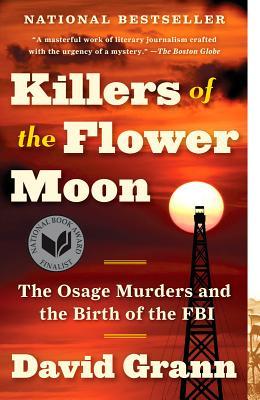
Killers of the Flower Moon David Grann. The true story of how the Osage nation began to mysteriously die (i.e. murdered) in an obvious attempt to take over their rights to the oil in their land. Also the story of the beginnings of the FBI under the leadership of J. Edgar Hoover. The research done by Grann is fascinating even as he tells a horrific story. It’s amazing what greed will do to people and the lengths some will go for money. More of it. All of it.  5 stars

A Death in Tokyo Keigo Higashino (Detective Kaga #3). A policeman sees a man staggering and assumes he is drunk. As it turns out, he is not drunk but has been stabbed and collapses on a famous bridge of Tokyo. A young man is found near the scene of the crime, but when he runs from the police, he is hit by a truck. The police seem to think (and hope) the case is closed, but Detective Kaga is unconvinced that this young man is guilty. When a work connection is established, I have read several mysteries by Higashino and have found them all to be well-written with characters whose motives may be suspect and with relationships that may not be all that they seem. This is actually the ninth in this series, but the third to be translated into English. 4 stars

Ovid (Marcus Corvinus #1) David Wishart. The first in a mystery series that takes place in Rome when Tiberius was emperor. Marcus Corvinus is approached by a young woman who was the stepdaughter of the poet, Ovid. She reminds Corvinus that his grandfather was the poet’s patron. Ovid has died in exile and Perilla wants to bring his ashes home. Unfortunately, not only has this not been allowed, to even speak of what had Ovid exiled can put a person in danger. Entranced by the lovely Perilla, Corvinus is determined to find out the truth behind Ovid’s exile and to bring his ashes home. Even when he is continually warned to mind his own business; especially when he is warned, even by his own father. Corvinus is amusing and tenacious, and just a fun character to follow. His attraction to Perilla leads to complications, but nothing he can’t handle. This series started in 1995 and is going strong some 20 books later. I look forward to reading more. 4 stars

Artificial Condition (Murderbot Diaries #2) Martha Wells. I listened to the audio for the first Murderbot and had a hard time following it. Reading it in print was a better format for me. And, yes, you should read the first in whatever format suits you. In this episode, Murderbot (his own name for himself; he is officially a robotic security unit) is both trying to escape and to find out if he really did what he has been accused of. He sneaks on a transport vessel to return to the mining facility where his problems began. ART (the transport vessel) is onto him, but turns out to be more of a help than a hindrance. Murderbot would rather watch the soaps and other television entertainment he has downloaded than deal with humans, but he needs to find out the truth. Though this is the second of seven, don’t let the length of the series deter you. For one thing, it is completed. For another, they are all (except the fifth one) short enough to be considered novellas, so it is like reading a long scifi book, one section at a time. 4 stars

Normal People Sally Rooney. A love story, sort of. A coming of age story, definitely. Connell is a popular soccer player in high school, in spite of living with only a single mother who works as a cleaner. One of the people she cleans for is Marianne’s mother. Marianne is smart and has money but is not popular at high school as she is considered a bit odd. Connell and Marianne are attracted to each other but keep it a secret. When they end up at the same college, their statuses are reversed, but they still have difficulty deciding on what kind of relationship they should have. I like Rooney’s writing; the way you see and hear the characters’ thoughts, confusions, desires. 4 stars

The Kingdom of Copper S. A. Chakraborty (The Darvabad Trilogy #2) 609 pp. Second in a series in which you do need to read the first and you will want to read the third. In the first book, The City of Brass, Nahri accidentally summoned Dara, a djinn. He takes her from her home in Cairo and brings her to Daevabad where she is taken in by the royal court and learns about her ancestors. After a battle ends the first book, Nahri has now been forced to marry a prince because the king has plans for her and her gifts. Nahri wants to rebuild a hospital and be able to use her healing gifts in a bigger way. The other prince (whom Nahri thought was her friend), Ali, has been exiled though many think he is dead. He is not the only one not dead as many think, and they all have plans for Daevabad. Full of myths, magic, political intrigue, and family drama, I enjoyed this almost as much as the first and look forward to the third. 4 stars

Favorite Reads from November ’23

“Books help to form us. If you cut me open, will you find volume after volume, page after page, the contents of every one I have ever read, somehow transmuted and transformed into me? Alice in Wonderland. The Magic Faraway Tree. The Hound of the Baskervilles. The Book of Job. Bleak House. Wuthering Heights. The Complete Poems of W.H. Auden. The Tale of Mr. Tod. Howards End. What a strange person I must be. But if the books I have read have helped to form me, then probably nobody else who ever lived has read exactly the same books, all the same books and only the same books, as me. So just as my genes and the soul within me make me uniquely me, so I am the unique sum of the books I have read. I am my literary DNA.” Susan Hill in Howards End is on the Landing

A Southern gothic novel with a cast of characters that are at turns amusing and extremely dark–from a precocious girl playing detective to a snake-handler (warning: you will go to sleep dreaming of snakes of all kinds) to others crazy on meth and PTSD  The story takes place in Mississippi in the late 60’s or early 70’s. A nine-year old is killed while out playing in his yard. His younger sisters are also there but too young to know what happened. Twelve years later, the youngest sister, Harriet (who was only a baby at the time) decides she is going to solve the murder. Her mother spends most of her time in bed, but Harriet has the maid who also serves as a nanny, her grandmother and her great-aunts who all live nearby. Harriet also has her faithful friend, Hely, who is willing to go the crazy extra mile to help exact revenge. 4 stars

It’s the summer of 1976 in London and the middle of a heat-wave. Gretta is preparing breakfast when her newly retired husband goes out for a paper. Unfortunately, he doesn’t return. Now, Gretta’s three adult children come together (one of them needing to return from the U.S.), and their relationships—rocky at best—are tested as secrets and hurts are revealed. O’Farrell is one of my favorite writers and is skilled at writing family drama. 4 stars

My third Katherine Center book for this year; she is quickly becoming a favorite author when looking for a fun, comfort book. Romance that is not silly and deals with tough situations. Cassie is one of the few female firefighters in her Texas firehouse, and she excels in dealing with emergencies. Her mother (who left her and her father when she was sixteen), calls and asked her to come to Boston to help her deal with some medical issues. The last thing Cassie wants to do is be with her mother—for any reason—but she’s left with little choice. Though she gets a new job at a firehouse in Boston, the men there are not exactly thrilled with a “lady” firefighter. Except for one handsome rookie. 4 stars

Historical fantasy, this story takes place in 1912 where magic has been dwindling away for years. Biddy has grown up on Hy-Brasil, an island unknown to most of the world. Though she has no magic herself, she was raised by the mage Rowan who promises her that one day she will be able to see the world. For now, she is safer on the island. But, one night, Rowan does not return from one of his many nightly quests and Biddy knows she has to do something. When she enters Rowan’s dream, she learns that Rowan has powerful enemies and her isolated home may not be safe any longer. 4 stars

Margo seems like a normal middle-aged librarian, both friendly and helpful. But Margo is not her real name. She is actually a former nurse who is in hiding because of the numerous premature deaths that happened to patients in her care. When Patricia joins the staff, she mostly keeps to herself, nursing her grievance over her failed attempts to become an author. When she finds Margo in the bathroom one day with a patron who is dying, she begins to do a little research on her colleague. 3 stars

Arthur, an 85 year old widow, goes to the cemetery every day to visit his wife. Maddy, a teenage girl whose mother died when she was a baby and whose father seems clueless with what to do with her, also visits the cemetery on a regular basis (mostly just to avoid school and other people). One day she overhears Arthur talking and decides to meet him and introduces herself. The two become friends, and soon Arthur invites her to his home for lunch and to meet his cat. When Maddy gets into some trouble, Arthur is there to help along with his neighbor, Lucille, another lonely soul. I haven’t read Elizabeth Berg in several years, though I’ve always enjoyed her, so it was nice to come back. 4 stars

After pastry chef, Olivia Rawlings, prepares a flaming dessert for a Boston dinner club and ends up setting the whole building on fire, she decides to leave town and regroup.  Her best friend, Hannah, lives in Guthrie, Vermont, so she goes there and gets a job at the Sugar Maple Inn. Even though it is not easy to win over the rather grouchy owner, Margaret, Olivia settles in and begins making her amazing desserts. She soon becomes friends with Margaret’s best friend and her family, including her son, Martin. Martin has only come home because his father is dying. Music brings them all together though. Olivia wants to fit in and stay here, but does she really belong? And will Martin stay? Or go back to Seattle? 4 stars

Now is the time to finish some reading challenges, prepare for new challenges, and, hopefully, do some Christmas reading. Along with other books, I’m reading Charles Spurgeon’s Joy to the World Advent: Daily Readings for Advent. I hope you all have a Merry Christmas & enjoy some reading!

The First Temptation

Have you ever thought about the conversations between Jesus and Satan when Jesus was living in a physical body on this earth? We get some hints of what this may have been like from the book of Job where a conversation between God and Satan is recorded, but other than knowing that Jesus was indeed tempted, we don’t have much to go on. Some years ago, I wrote an epic tale of the Christ and his struggle with his Adversary, Satan. And, yes, I used The Odyssey as a model for my format (not the content). Divided into “Books” (the first being an introduction) the second Book is entitled The Wilderness Temptations. Here is an excerpt which I hope you will both enjoy and will provoke some thought concerning the Christ and his earthly life.

The First Temptation

On that forty-first day, the God-Man woke

to hunger pangs and discovered his body

had become weak from that month-plus trial.

As his eyes focused to face the day,

he saw his Adversary standing at

his feet, smiling a crooked smile and shining

bright as the desert sun. “Good morning,

old friend,” he said. “Surprised to see me? But

didn’t I promise to come back? You will

find that I, unlike some others, keep all

my promises and will never forget

you or leave you for too long, for I am

concerned about you and how you’re spending

your life and squandering your potential.

I suppose with all this time to think and

consider, you’ve come to realize that you

could not possibly be the Son of God?

Since I am the one who has come to check

on you and see if your needs are being

met, it is obvious,” and his eyes swept

the horizon and the God-Man’s surroundings

and came back with a look of distaste, “that

your Heavenly Father,” and he spat the

two words out, “has not been by or if He has,”

and he smiled a sinister smile, “He has

done nothing to secure your belief that

you are His Son, has He?” Unperturbed, the

God-Man rose to his feet and answered, “Quite the

contrary. He has been here in many

wonderful ways–ways you could never see

or understand–and He has only confirmed

my belief and my profession that I Am

His Son and His Chosen.” Satan attempted

to mask the furious anger that welled up

within him with a strained smile which truly

appeared as a grimace. Then with eyes ablaze,

he said in a voice dipped in honey,

“Of course, you are. Whoever said you weren’t?

But, tell me, have you had breakfast yet?” As

if in answer, the God-Man’s fleshly insides

began to grumble, bringing delight to

his Antagonist though he tried to cover

this with a false look of concern and

pity as he waited for an answer. “No,

there’s been no breakfast here. Only rocks and

dust, as you can see.” And Satan nodded as

if in sympathy but then he appeared

to have an idea and said with great

enthusiasm, “But you are the Son

of God, remember? If you are the Son

of God, you should have no problem coming

up with a substantial meal and then we

can talk over some business.” Eyebrow arched,

the God-Man gazed at his rival and said,

“I was not aware we had any business

to discuss.” And Satan again smiled that

patient smile. “Of course, but how can you think

on an empty stomach? An empty

stomach causes the head to be light and

the heart to be weak. Come, you say you are

the Son of God, let us see you come up

with some breakfast. The Son of God shouldn’t

be out here in this wilderness where the

wild beasts are quite well-fed, yet here he is,

his guts crying out in torment, as he

stands by, as if helpless. You say you

are the Son of God but for thirty years

you have lived in practical poverty

submitting yourself to the surroundings

into which you have been thrust and now you bow

to the elements. To the things which you,

yourself, claim to have created. How can

you possibly allow yourself to be

subdued by the works of your own hands? Come,

if you are the Son of God, tell these stones

here to become bread for your breakfast. They

will be glad to be of service to their

Master, for isn’t that why they were formed?

To serve their Master and obey his commands?

In fact, I daresay that your creation

has been watching you in wonder and has

been speculating as to why you have

not called on them earlier. Can you not

see their eagerness to serve you? Come, Son

of God, call on them; exercise your power

and authority. You say God has now

anointed you to be King, so be King.

Prepare your breakfast so we can discuss

deeper matters.” Folding his arms, Satan

stood back and waited, his impatience

obvious, but the God-Man refused to

make a hasty decision knowing well

this was not as simple a matter as

his Adversary portrayed it. He

also knew the power he possessed had

been given to him by his Father, so

consideration of his Father’s will

must be made. But he was hungry and his

insides churned once more as if to remind

him of his responsibility to

them, too. He gazed on the stones and easily

imagined them as loaves and could almost

smell them baking in the sun and taste

their flaky crusts and their soft middle–

He shook his head to clear his thoughts. His

Adversary watched him intently, though

he tried to appear both nonchalant

and impatient. Impatient as in:

‘This is no big deal, you know, get on

with it.’ And nonchalant as in: ‘But then

again, it is no matter to me, one

way or the other.’ A faint smile played on

the God-Man’s lips as he read all this in

his Opponent’s face which caused that angel

to simmer. He managed to keep his

temper in check and gazed calmly back at

his prey as he waited for an answer,

a decision to be made. Then Satan recalled

another king he had tempted, that first

king of Israel whom he convinced that

waiting for God’s provisions and living

strictly by His rules was not only

unnecessary but also senseless

when you could take care of the matter

yourself. So, Israel’s first king bent the rules

of a God of no compromise–not once

but twice–and he who was to be a

great king and leader was instead a

failure and died a scorned and rejected

king and man. Satan knew he did not need

to lead this present and final king

to compromise more than once for once

would be enough. Now he almost became

excited before the deed was done, smelling

the sweet smell of such a victory, and he

trembled but caught himself when he saw the

curious look from his prey. “Come on,”

he snapped. “What’s taking you so long? You act as

if you faced a monumental decision.

I only want you to eat, so we can talk.

Sustain yourself, my friend,” he added

more gently, his words becoming

like honey at his command, causing

the God-Man to once more remember his

hunger. Again, he looked at the stones, but

this time they brought to mind days of old,

and he saw the children of Israel

led into a similar desert and

led into a similar temptation

to be taught . . . what? Obedience. Yes, that

was it–obedience. Now he recalled

they had failed their test and he reflected

on why. He remembered their grumbling

and identified their discontent as

an expression of their lack of trust

and confidence in God as their provider.

Knowing himself to be the new Israel,

he realized if he treated himself to

breakfast (as his Adversary had so

artfully suggested), he would be

expressing the same lack of confidence.

So, summoning up the Scriptures in his mind,

he recalled God’s word on it all: ‘Remember

how the Lord your God led you all the way

in the desert these forty years, to humble

you and to test you in order to know

what was in your heart, whether or not you

would keep his commands. He humbled you, causing

you to hunger and then feeding you with

manna, which neither you nor your fathers

had known, to teach you that–‘ and he stopped and

smiled as the answer was there and the

clarity in his mind shone on his face,

and Satan inwardly recoiled as he

caught a whiff of the air of defeat.

But stiffly he waited and then it came

as in a clear and steady voice the God-Man

said in his new-found strength, “It is written:

‘Man does not live on bread alone but on

every word that comes from the mouth of the Lord.'”

Now Satan cringed outwardly and the

rocks trembled and the heavens smiled and the

God-Man waited, but not long for Satan

knew this was a small defeat and the day

was young with boundless opportunities

and uppermost in his mind remained the

refrain: ‘It will only take one. Once will

be enough.’ With this thought, Satan

recovered his poise and said, “Very well,

you do not wish to eat; that is your privilege.

I was only thinking of your comfort.

You are too quick with your suspicions, but

come, ‘Son of God,’ (for you have yet to prove

to me that you are such) and let us go

to Jerusalem, that ‘holy city,’ and

there you can show me whose son you truly are.”

P.M. Gilmer

Soli Deo gloria

Reading Around the World: Mexico

I read two books from Mexico in the past few weeks for the #readtheworld21 challenge, but I am only going to review one here (I did write about both on Goodreads). The first one I enjoyed; the second I wanted to throw against the wall when I finished. I refrain from reviewing books I don’t like because I’m not interested in reading reviews of books not recommended by the reviewer. I find that a waste of time. This book has been popular and even made into a movie, so I’m doing it no harm in not recommending it.

Now on to my recommended read.

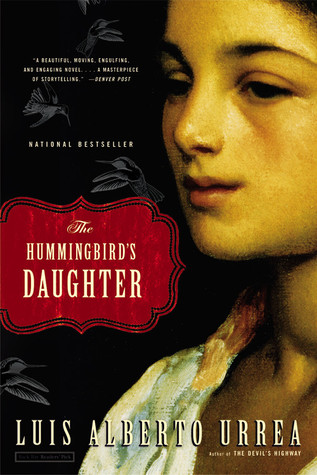
The Hummingbird’s Daughter by Luis Alberto Urrea is a story of legend combing historical fiction and magical realism. Urrea heard stories of his ancestor, Teresita Urrea, while growing up; the fantastical stories of her life and miracles. How much was true and how much legend, he set out to discover and spent some twenty years researching and writing her story.

Teresita was the illegitimate daughter of a young girl called Hummingbird and wealthy rancher, Tomas Urrea, during the late nineteenth century in Mexico, a time of unrest and the beginnings of a civil war. Abandoned by her mother, Teresita brought herself to the attention of Urrea and Huila, a curandero. Seeing Teresita’s gifts and potential, Huila teaches Teresita of herbs and healing and promises to help her cultivate her gifts. What leads to Teresita becoming the Saint of Cabora is told in dramatic fashion. Don’t be like me and miss the family tree in the front of the book until you’ve almost finished the book. I would have find this more helpful at the beginning when I was trying to keep names straight but somehow overlooked it.

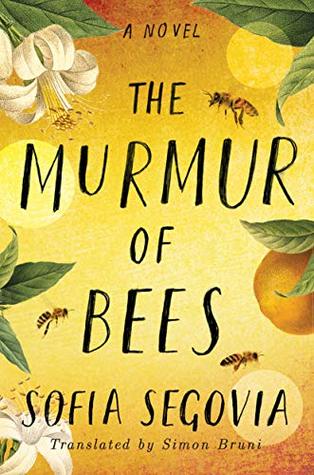
In lieu of the book, I can’t recommend, let me do a repeat and make a case for one that was on my favorites’ list of 2020–The Murmur of Bees by Sofia Segovia, translated by Simon Bruni. Another story of magical realism and family, the tale begins when Nana Reja finds an abandoned baby under a bridge, covered in a blanket of bees. Though some are horrified both by the bees and the baby’s disfigured face, Simonopio is adopted by landowners who love him as their own. Simonopio soon becomes special, not only to his family but to the whole town. This one is also historical fiction taking place during the Mexican Revolution as well as the influenza of 1918.

I’m sure there are many books about and from Mexico that I need to add to my TBR. If you have any suggestions, please share!

Reading Around the World: Southeast Africa

In February, #readtheworld21 took me to southeast Africa which includes several countries. The countries I read from were Kenya, South Africa, and Ethiopia.

First published in 1959, The Flame Trees of Thika is a memoir by Elspeth Huxley who moved to Kenya in 1913 with her parents. Huxley’s unusual childhood with her optimistic and idealistic parents is described with the eyes of a child though also with the benefit of an adult’s hindsight. Her parents’ attempts to make a go of a coffee farm was interrupted by war with Germany, but before that Elspeth grew to love the country and it became her home. She learns about the different groups of people–their customs and bits of their history–and makes friends as a child in an adult world. Huxley’s beautiful descriptions of this country, its people, and the nature surrounding them made this a classic book.

“. . . when the present stung her, she sought her antidote in the future, which was as sure to hold achievement as the dying flower to hold the fruit when its petals wither.”

Born a Crime by Trevor Noah is another memoir. Noah was born during Apartheid in South Africa. Having a white father and a black mother made his existence a crime, hence the name. I listened to Noah read the audio and found it an excellent read. I had heard this was pretty funny (he is a comedian by trade), and there is humor (I love the way he mimics his mother and grandmother), but the story is much more than humor. It is about growing up poor in a country undergoing growing pains of its own. It’s about the fierce love of a mother who works hard and does not put up with anything including Noah’s many antics.

“My mom did what school didn’t. She taught me how to think.”

“Comfort can be dangerous. Comfort provides a floor but also a ceiling.”

Cutting for Stone by Abraham Verghese is one of those books where you become invested in the characters, their lives and how they interact with each other and to their surroundings. I loved everything about this book which takes place in Ethiopia during a time of unrest and revolution. The story begins in 1954 when twin boys are born in a missionary hospital (known as Missing) to a British surgeon father and a mother who is a nun and a nurse from India. Their mother dies and their father disappears but the boys (Marion and Shiva) are raised in love by two other doctors and they both become fascinated with medicine. When Marion is betrayed by both his brother and the girl he loves and then is accused of a terrorist act, he flees to America where he studies medicine but also runs into his biological father. Not someone he had ever wanted to meet but life does not always take you where you want to go.

“You are an instrument of God. Don’t leave the instrument sitting in its case, my son. Play! Leave no part of your instrument unexplored. Why settle for ‘Three Blind Mice’ when you can play the ‘Gloria’? No, not Bach’s ‘Gloria.’ Yours! Your ‘Gloria’ lives within you. The greatest sin is not finding it, ignoring what God made possible in you.”

On deck: The Shadow King by Maaza Mengiste (Ethiopia) and A Guide to the Birds of East Africa by Nicholas Drayson (Kenya).

Road to Emmaus–An Easter Story

Road to Emmaus

I could no longer bear the crowds, the sounds,

the smells. Jerusalem had become a place

where dreams were killed and hopes destroyed by

bloody Roman soldiers and godless

religious leaders. Both had lost their

humanity and become void of

compassion. Power and might were all they

desired and sought. Neither could accept

God’s gifts of love and mercy–so, love

and mercy they could never provide.

With nowhere to go and nothing to do,

my friend, Cleopas, and I took the road

back to our home in Emmaus. Our walk

took longer than usual for we were

in no hurry. Where did we need to go

after all? What did we need to do?

While we walked–we talked, we argued, we laughed,

we cried. Had we been foolish to put our

trust, our hopes, our dreams, and yes, our faith

in this one man? Had we only hoped he

had been sent by God? Had we only dreamed

he performed miracles? We marveled at

his teaching but had it all been just a

mirage? Had we been swayed by his

kindness? His mercy? His love?

For if it had all been real, how could he have

let himself be killed by such a mob? How could he have

been treated in such a cruel and shameful way?

“Jerusalem has always killed her prophets,”

Cleopas reminded me. “Yes,” I agreed.

“But didn’t we think Jesus was more than

a prophet? Didn’t he have the power

to heal? To raise the dead? How could such a

one be arrested as if he were

a common criminal? Worse than a

common criminal! More like a

dangerous lunatic! Was he mad?

Or is it we who are mad?”

So wrapped up in our thoughts, our questions,

our despair and our arguments–which all

ebbed and flowed like the Sea of Galilee–

we neither heard nor noticed a man

behind us until he caught up to us

and began to walk by our side.

“What are you talking about?” Such

impertinence coming from a stranger seem to

nettle Cleopas, but with feelings raw,

I felt compelled to share our story with

someone who might give us a new perspective.

But before I could speak, Cleopas

blurted out, “Have you not just come from

Jerusalem yourself? How could you not

know what everyone is talking about?

Perhaps you’ve been living under a rock?”

I nudged my friend and told him not to be

unkind. “Perhaps this man can’t understand

why we are so upset. After all, men

are crucified every day by the Romans.”

“Yes, but not usually innocent men.

Men like Jesus who never harmed anyone.”

“Then why was he crucified?” our new friend

asked. “What brought him to the Romans’

attention? And why are you so distraught

over his death? Were you very close to him?”

“We were more than close,” I affirmed. “We

honored him, we–yes, we worshiped him.

We thought he was truly the One, the

Messiah we have been waiting for–

but now, now he is dead.”

The man nodded as he pondered my words,

his eyes set on the horizon as if

he could see what I could not. I wondered

if he thought us foolish. Foolish to place

such hope in a mere man. Foolish to

believe in his teaching, his miracles,

his love.

Then his pace quickened. “Let me explain the

Scriptures to you. Scriptures about the

Messiah. Then perhaps you will better

understand what has happened and why.”

He then began to expound on the

Scriptures beginning with Genesis and

continuing through the Law, the Prophets,

the Psalms. He explained the prophecies

of the Messiah in a way I had

never heard before, and I felt my heart

burn within me. Even Cleopas

remained silent as we took in the words

of this stranger who now seemed both familiar

and comfortable as an old friend.

Before we knew it, we had reached my home

in Emmaus. Our new friend did not stop

walking but continued on past my door.

Neither Cleopas nor I could bear the

thought of being parted from him so soon.

Please, we begged him, stay and eat with us.

We would hear more of your teaching.

We will fix you a meal

and you can even stay the night.

There is plenty of room.

He seemed reluctant, and perhaps he

had more pressing things to do, but

when we convinced him we truly

wanted him to stay and dine with us,

he agreed, and I made haste to

go in and tell my wife of our guest

and our need for a quickly made meal.

Once seated, we served our guest and waited

to hear more of what he could teach us.

Though sorrow still enveloped our souls,

somehow this man had wrapped us in a peace

and filled us with a hope that our faith in

the man Jesus had perhaps not been in vain.

What happened next remains the most

astonishing of revelations given

to simple men such as ourselves. One

minute we were waiting for our guest, this

stranger in our midst, to further enlighten

us, and the next, our eyes were opened to the

true identity of one we had taken

to be unknown and unfamiliar

to us. When he stretched forth his hand

to pass the bread to Cleopas on

his right, we all saw the round scar–bright and

shockingly white–on his wrist. A scar

so fresh it was scarcely healed and

almost glowed there in the dusky light.

The sight of that scar caused the scales

to fall from our eyes. It was Him!

Jesus! The One we had followed and

seen crucified. The One we thought to see

no more on this earth. What Peter and John

had said was true. He had come back to life!

Then just as quick as our eyes had been

opened, he was gone–along with our

despair and grief, leaving us with joy

and excitement instead. He was alive!

Truly alive! We had seen him in the

flesh. I remembered now. How my heart

had burned within me as he spoke to us.

Spoke truth to us. Now, without

speaking, we knew we must go back to

Jerusalem. And we could not delay.

We had to go back that very night.

My wife protested. We would be tired,

she said. We had only just gotten home.

But even she knew we could never

sleep and we could almost run back to

Jerusalem. To go back and tell

our brothers and sisters the Good News.

P.M. Gilmer

Soli Deo Gloria


North Carolina Writers


One of the reading challenges I have participated in this year is the 2020 #mmdchallenge (The Modern Mrs. Darcy, aka Anne Bogel) which includes twenty-four different challenges. One of these challenges is to read a book by a local author. Bogel, a Kentucky native, posted a list of Kentucky authors a few weeks ago, so I am going to present a list of North Carolina authors. Though not exhaustive (we have quite a few writers to be proud of), here’s a few of my favorites.

The book I intend to read for this challenge is Down the River by John Hart. This will be my first book by Hart though he has written several thrillers set in North Carolina. Born in Durham, Hart is also one of the many lawyers turned writer who are putting out books today. This particular book was a Barry Award nominee and an Edgar Award winner in 2008.

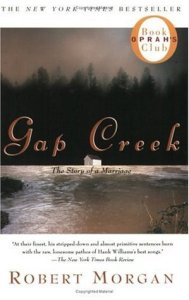
Robert Morgan is a poet and author with many books and awards to his credit. I’ve read Gap Creek twice which won the North Carolina Literature Award as well as the James G. Hanes Poetry Prize. This “story of a marriage” takes place in the mountains at the end of the 19th century. Julie Harmon works hard–“hard as a man” and she needs to in order for the couple to survive. Morgan is a wonderful storyteller, and two other books I can recommend are The Road from Gap Creek and Brave Enemies.


Wiley Cash has written several best-sellers and serves as writer-in-residence at UNC-Asheville. I wrote a review of The Last Ballad  https://pmgilmer.com/2018/01/04/wiley-cash-the-last-ballad/  a couple of years ago. The Last Ballad is also a book I’ve read twice–the second time when my library group selected it for that month’s read. The book tells the true story of woman, Ella May Wiggins, who tried to help form unions for the textile industry in 1929. Her courage and determination to help herself, her family, and others like her makes for a gripping read.

A native of Asheville, Sarah Addison Allen writes sweet, romantic family dramas with a bit of magical realism. Her first book, Garden Spells, tells the story of the Waverly women who are guardians of an apple tree that contains strange and magical properties. Drawing on her grandmother’s culinary traditions, Claire has built a successful catering business. When her sister returns home, her young daughter in tow, Claire’s quiet, ordered life is turned around–but in a good way.

I’ve loved the characters and relationships in all of Allen’s books. This quote from First Frost is a good example of their personalities. “Oh, please. Everyone in this town always says that like you have to be born here to understand things. I understand plenty. You’re only as weird as you want to be.”

Charles Frazier is best known for his first novel, Cold Mountain, the story of a Confederate soldier making his way home after the war. That story was based on stories from Frazier’s great-great-great grandfather as well as local stories and legends. It’s been several years since I read this one, but I remember the capitivating narrative told in a beautiful way.

Another book I enjoyed by Frazier was Thirteen Moons. As a “bound” boy, twelve-year old Will Cooper is sent to run an trading post in Cherokee territory. He becomes friends with Bear, a Cherokee chief, and is adopted into his tribe. Frazier writes descriptively of the time period, the scenery, and the growth and adventures of Will.

“What I wanted to do was slap him down a bit with wit and word. Grammar and vocabulary as a weapon. But what kind of world would it be if we all took every opportunity presented to us to assault the weak?”

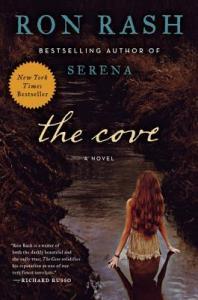
One more author I will mention–Ron Rash, a poet, short-story writer, and novelist who was born in South Carolina and teaches at Western Carolina University. I’ve read several poems and stories by Rash as well as his novel The Cove though he is better known for his novel, Serena, which was also made into a movie.

The Cove takes place near the town of Mars Hill in the Appalachian mountains of North Carolina during the time of the Great War (or WWI). A young woman, Laurel, lives with her brother, Hank, who has recently returned from fighting in France. Laurel finds a man in the woods nearly dead from yellow jacket stings. Mute, the man carries only a silver flute and a note saying his name is Walter and he is on his way to New York. Walter also carries a secret which may prove a threat to Laurel and Hank as the war in Europe is coming to an end.

As with Frasier and Cash, Rash is able to bring you back in time and to another place and helping you to understand a little part of history.

Any other North Carolina writers you would like to recommend? Or your favorite one from another state?