“It can be difficult to accept the fact that a lot of birds have to be identified as “possible” or “probable.” ― David Allen Sibley, Sibley’s Birding Basics
Green Heron
Green Heron (sporting his mohawk)
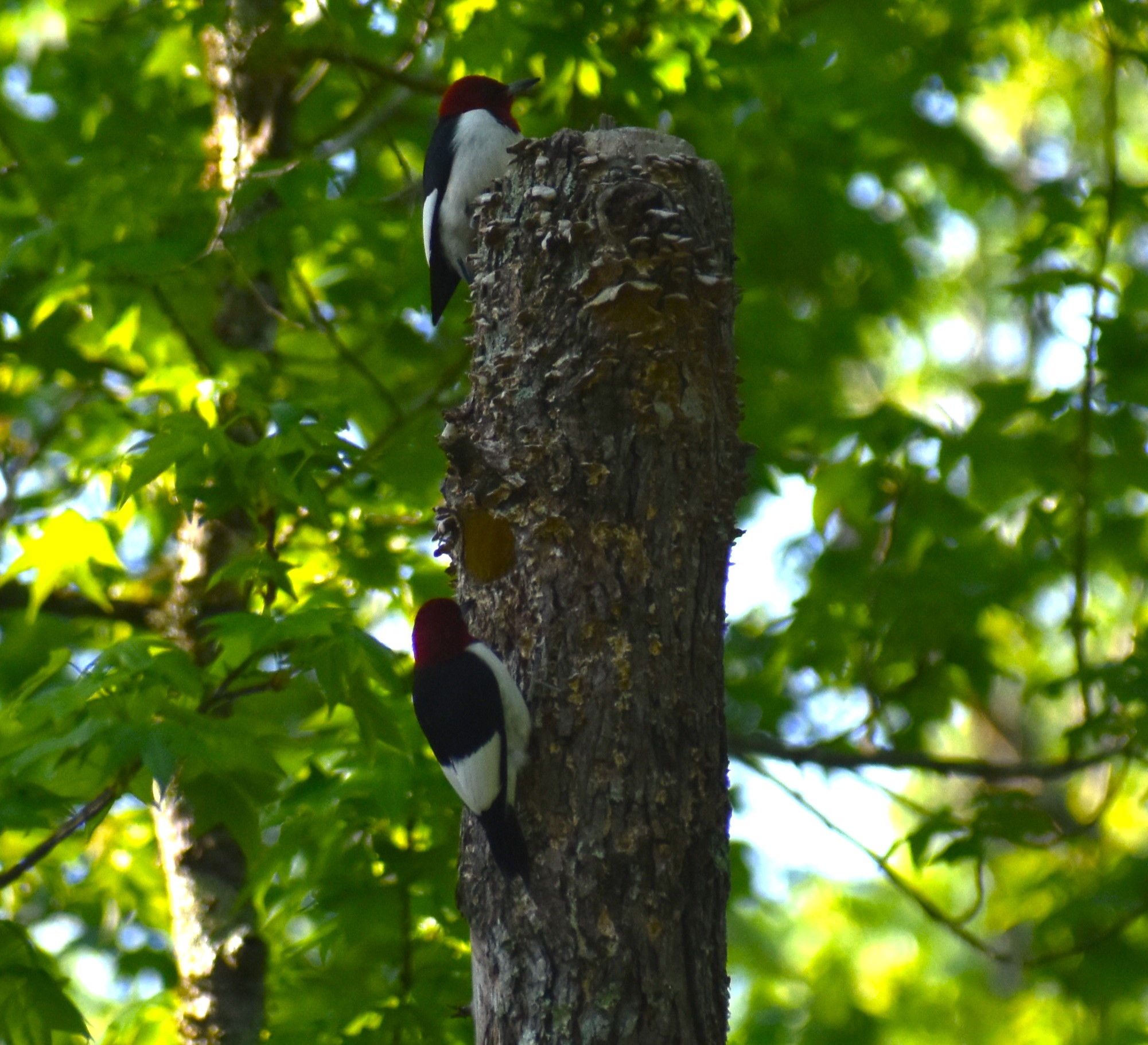
Red-headed Woodpeckers–Parent showing the newbie the ropes or how to find the best bugs
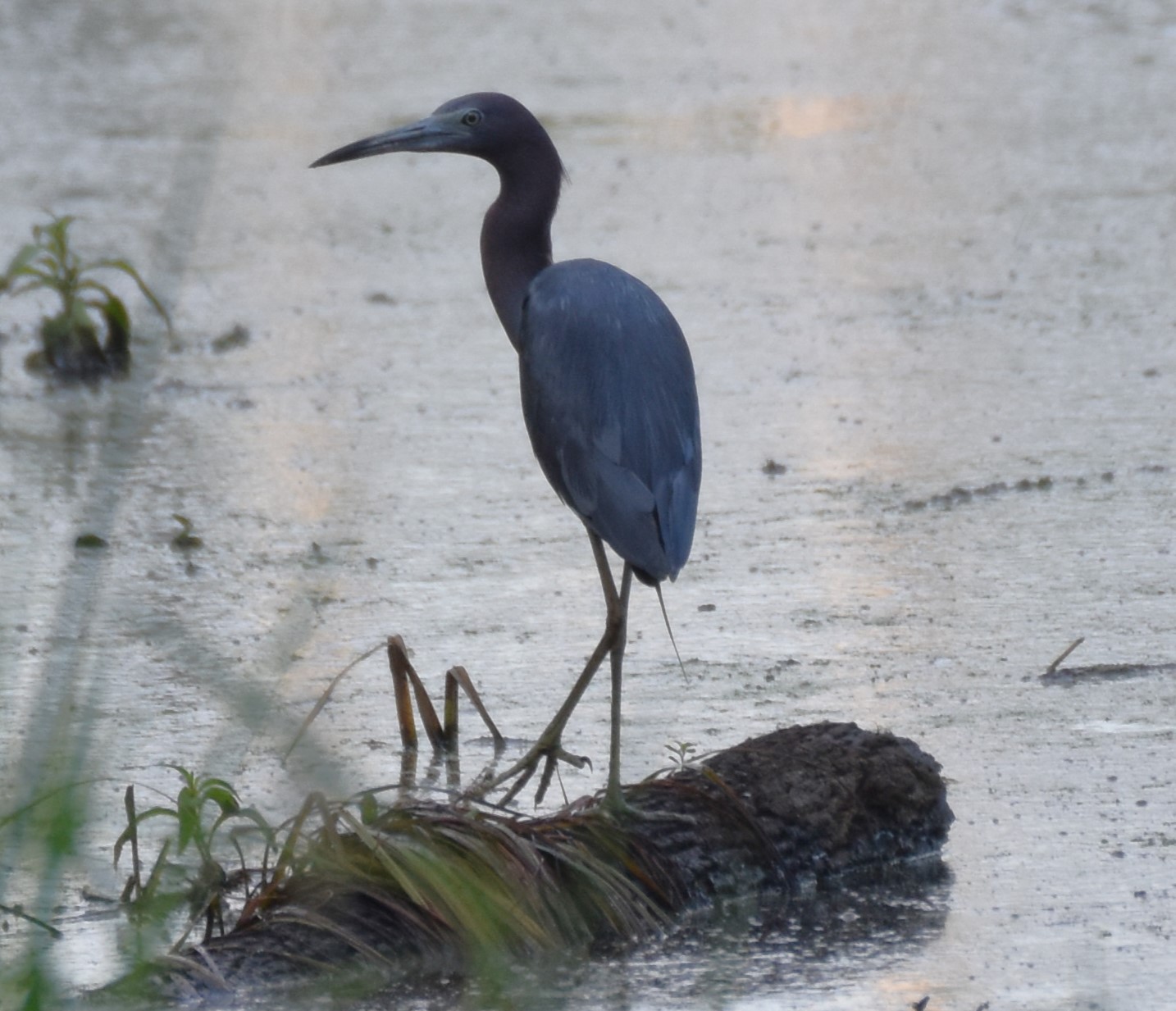
Little Blue Heron
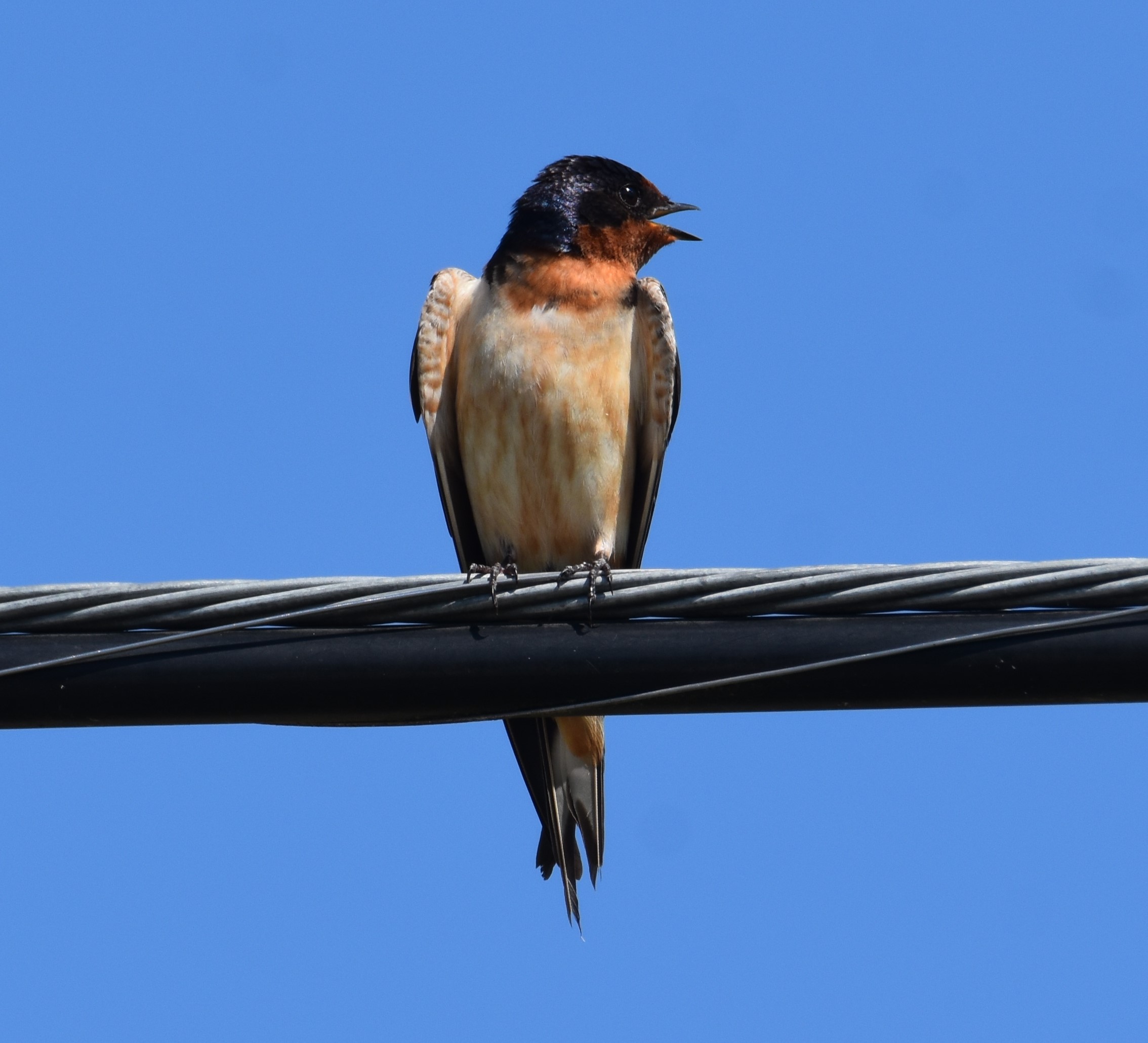
Barn Swallow
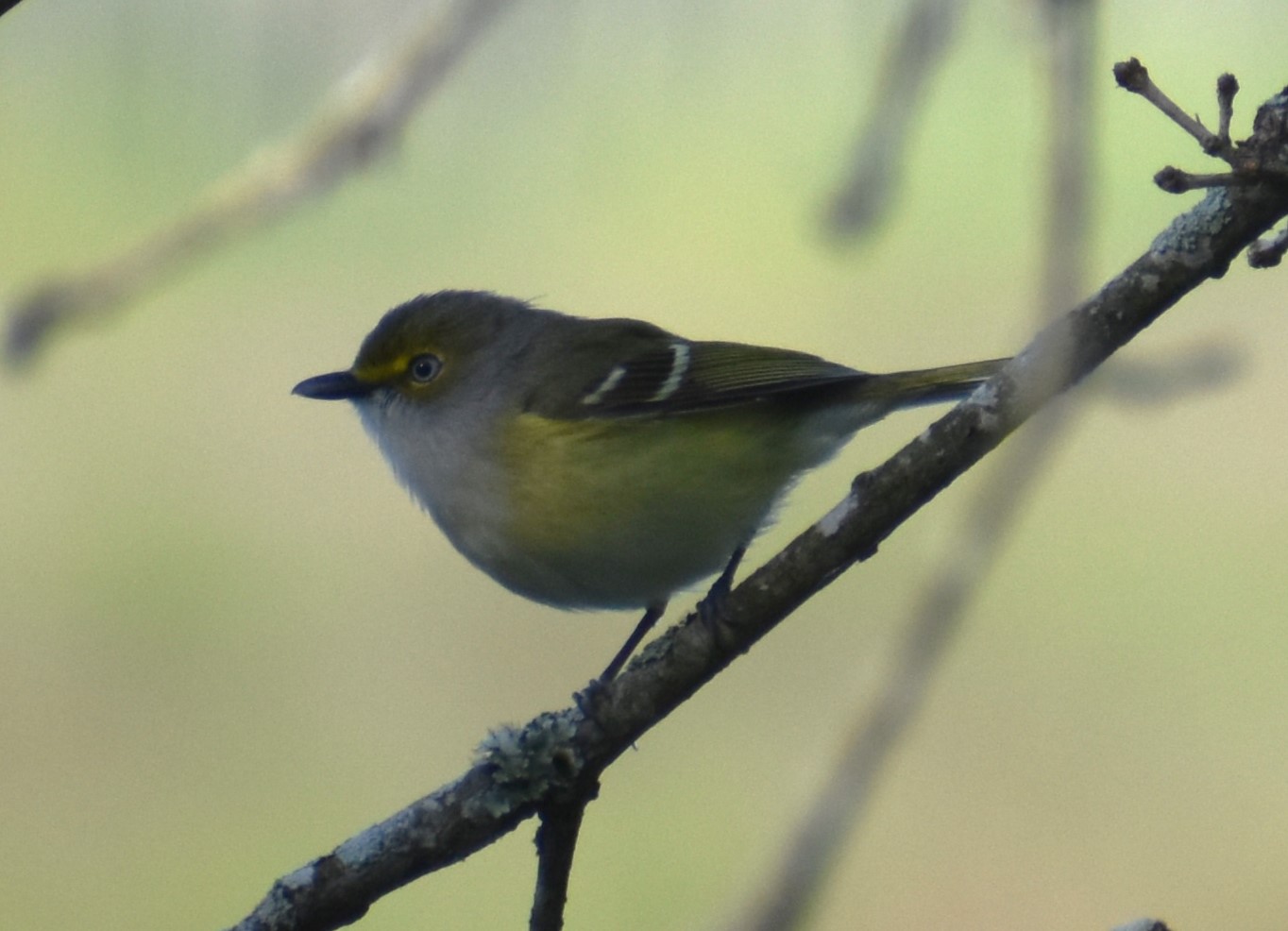
White-eyed Vireo
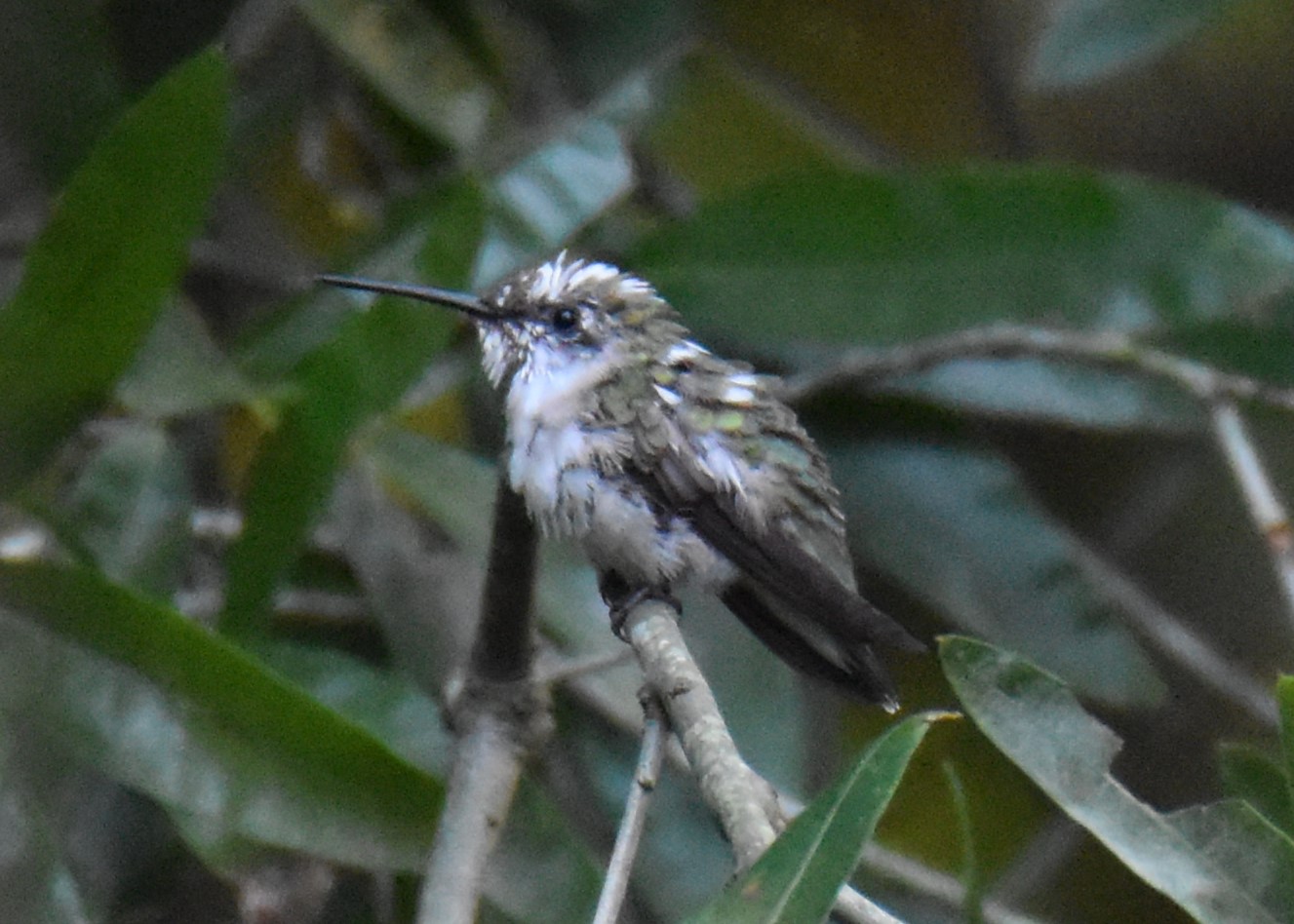
Ruby-throated Hummingbird–one of my white spotted ones
White Ibis (juvenile)
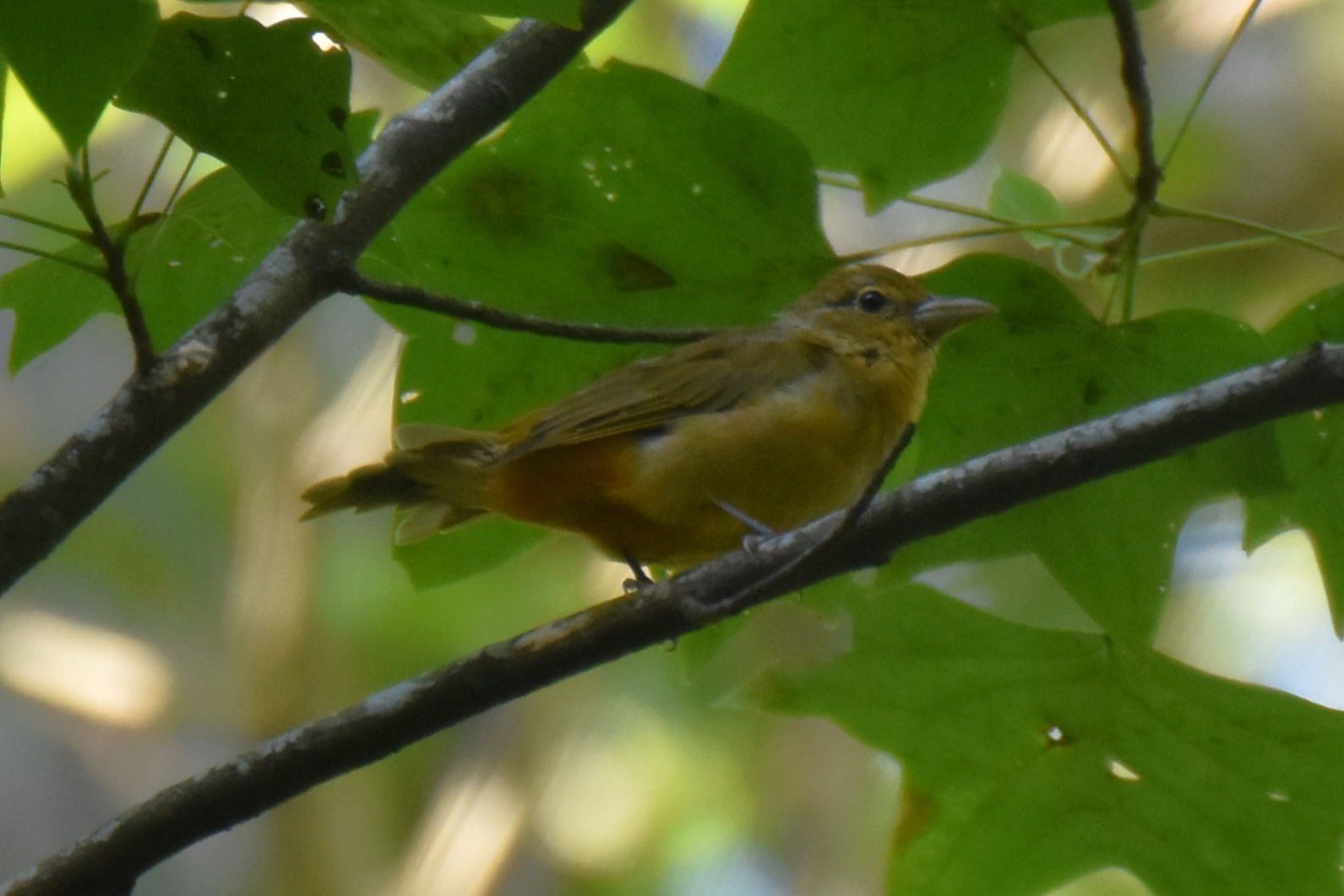
Summer Tanager (female)
Great Egret
Great Crested Flycatcher
Downy Woodpecker (male)
Northern Flicker Woodpecker
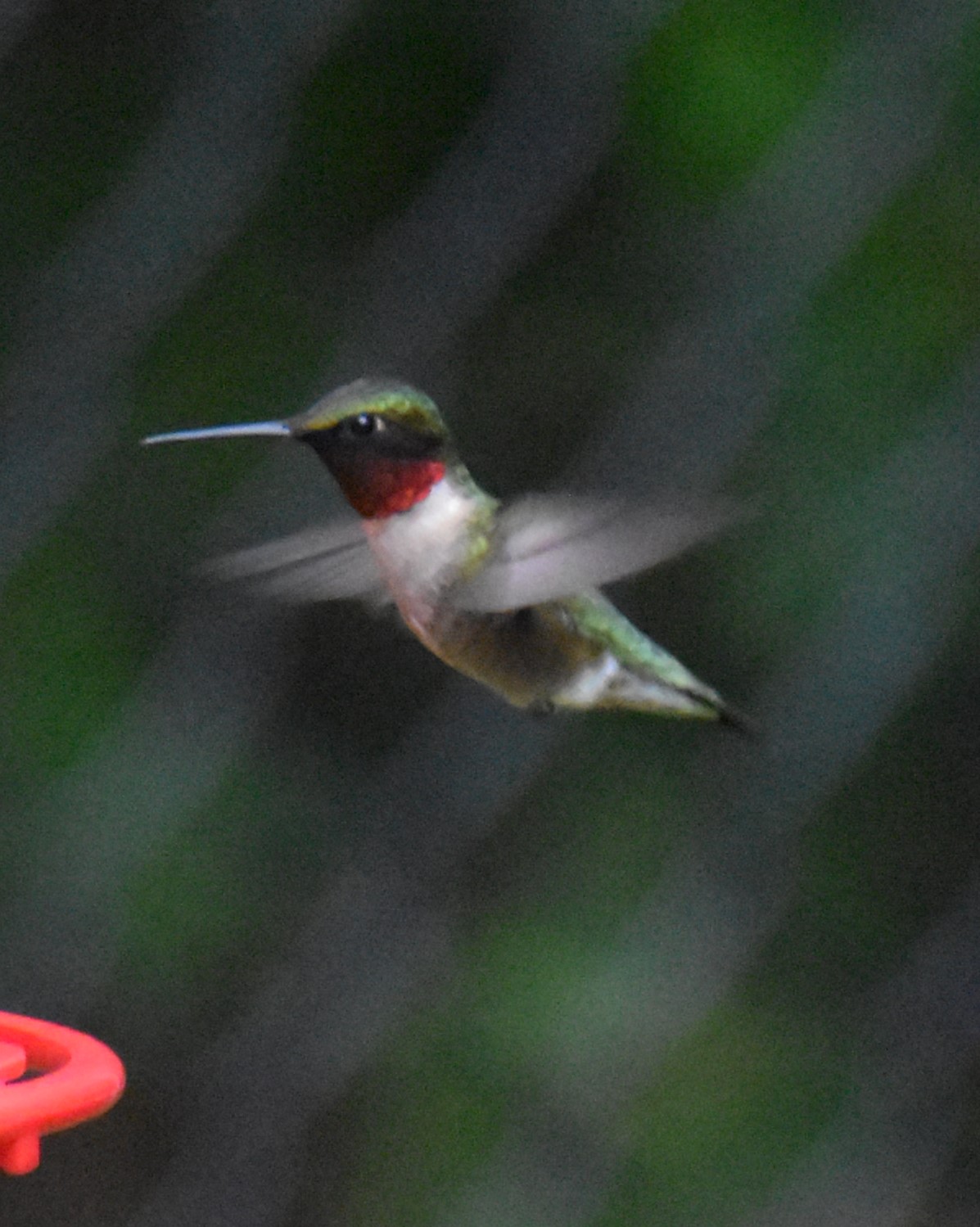
Ruby-throated Hummingbird
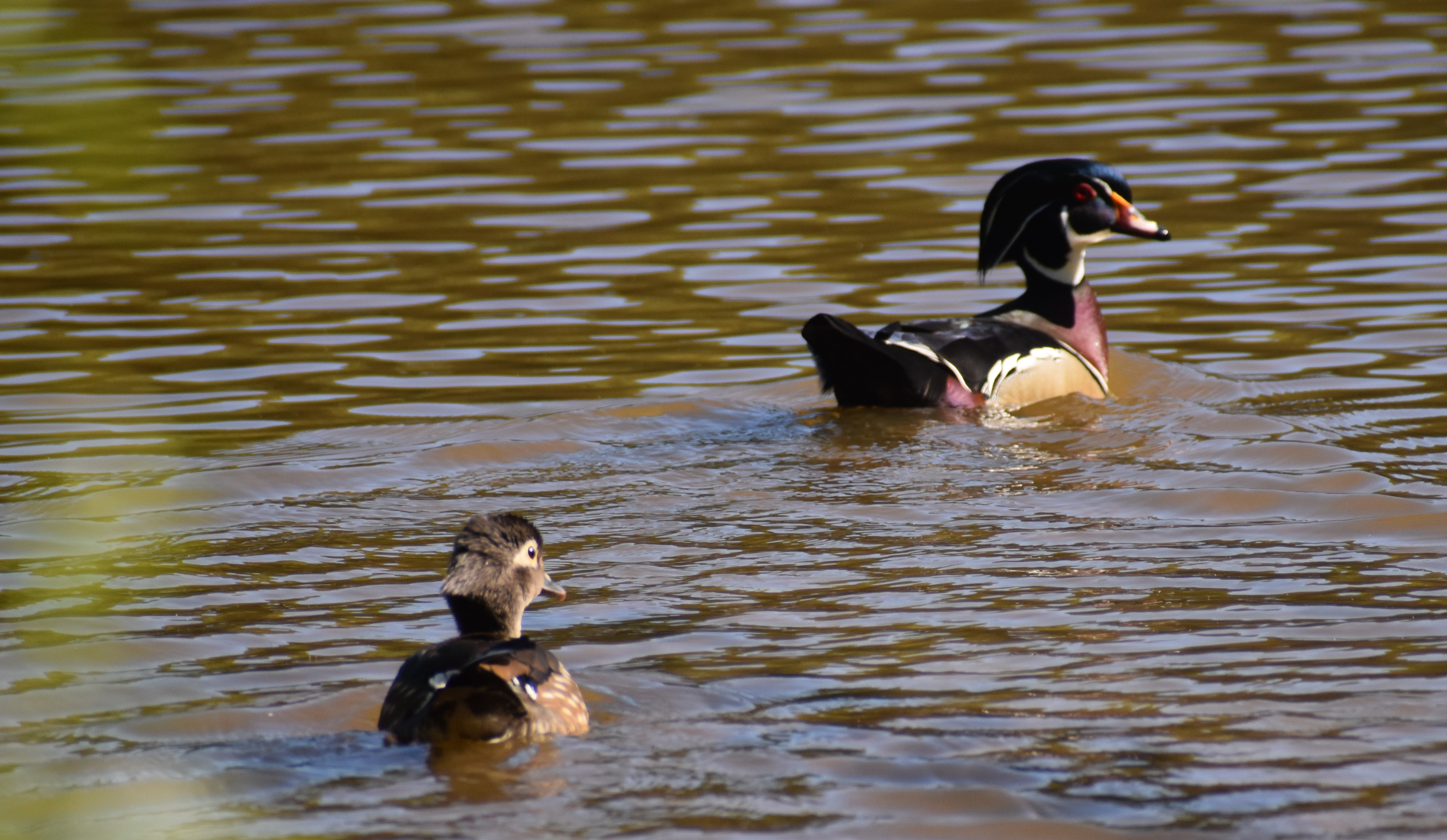
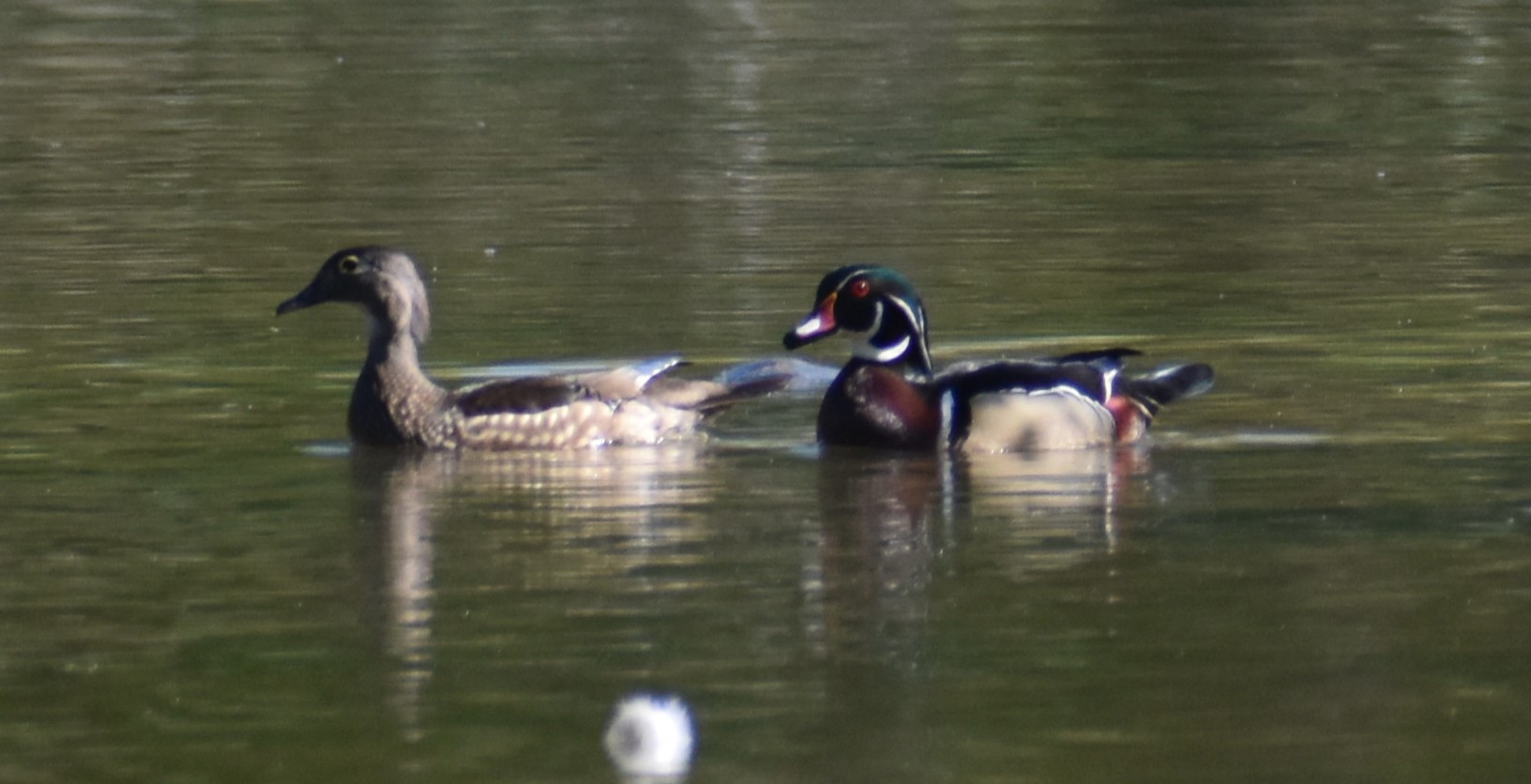
Young Duck–Mottled or Wood?
Mottled Duck
Acknowledge that Yahweh is God. He made us, and we are His–His people, the sheep of His pasture. Psalm 100:3
“Watching birds is good for mental health, the research tells us; it reduces anxiety, stress and depression and builds a well-being connection that might remain for life.” Miriam Darlington in Owl Sense.
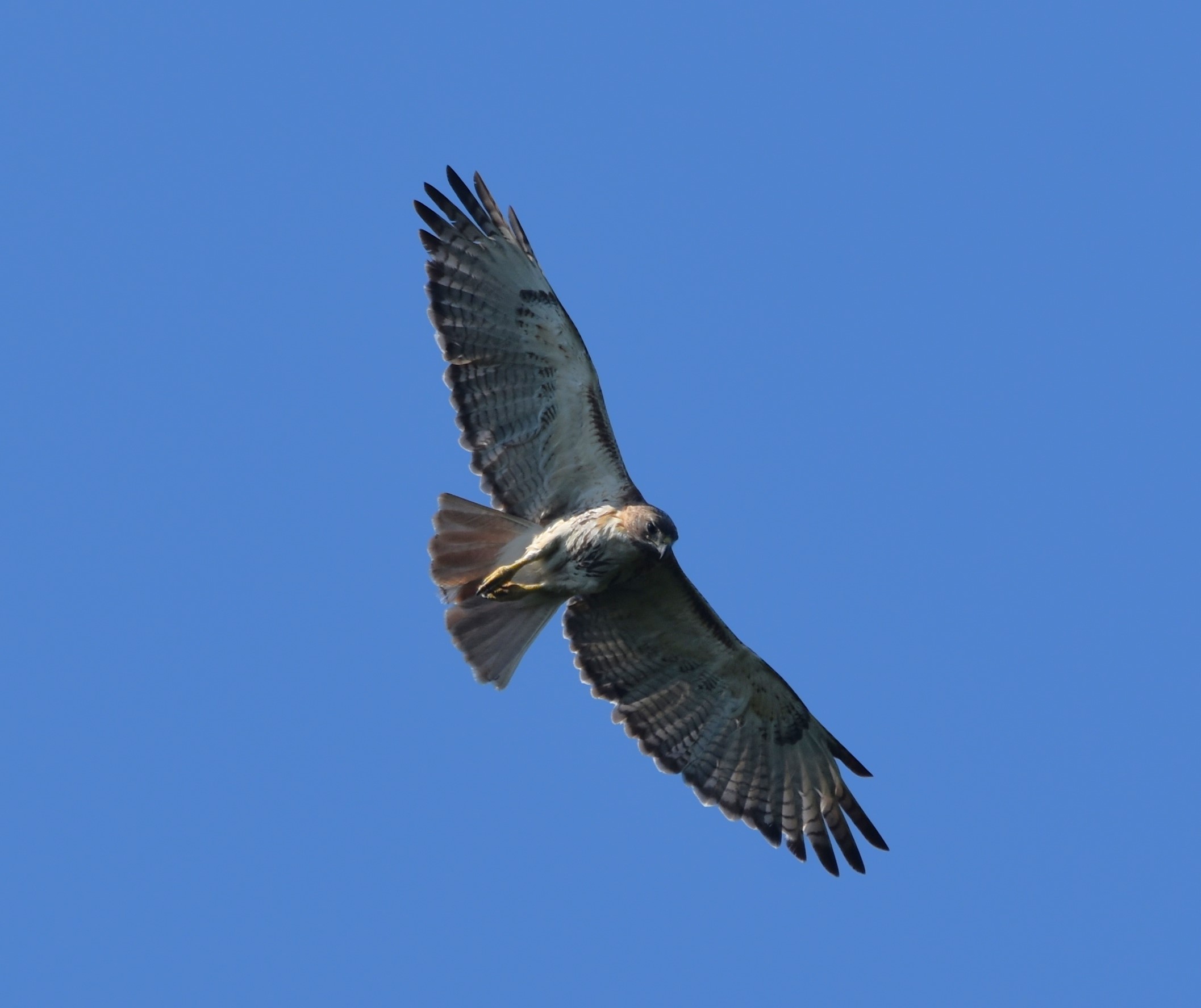
Red-tailed Hawk
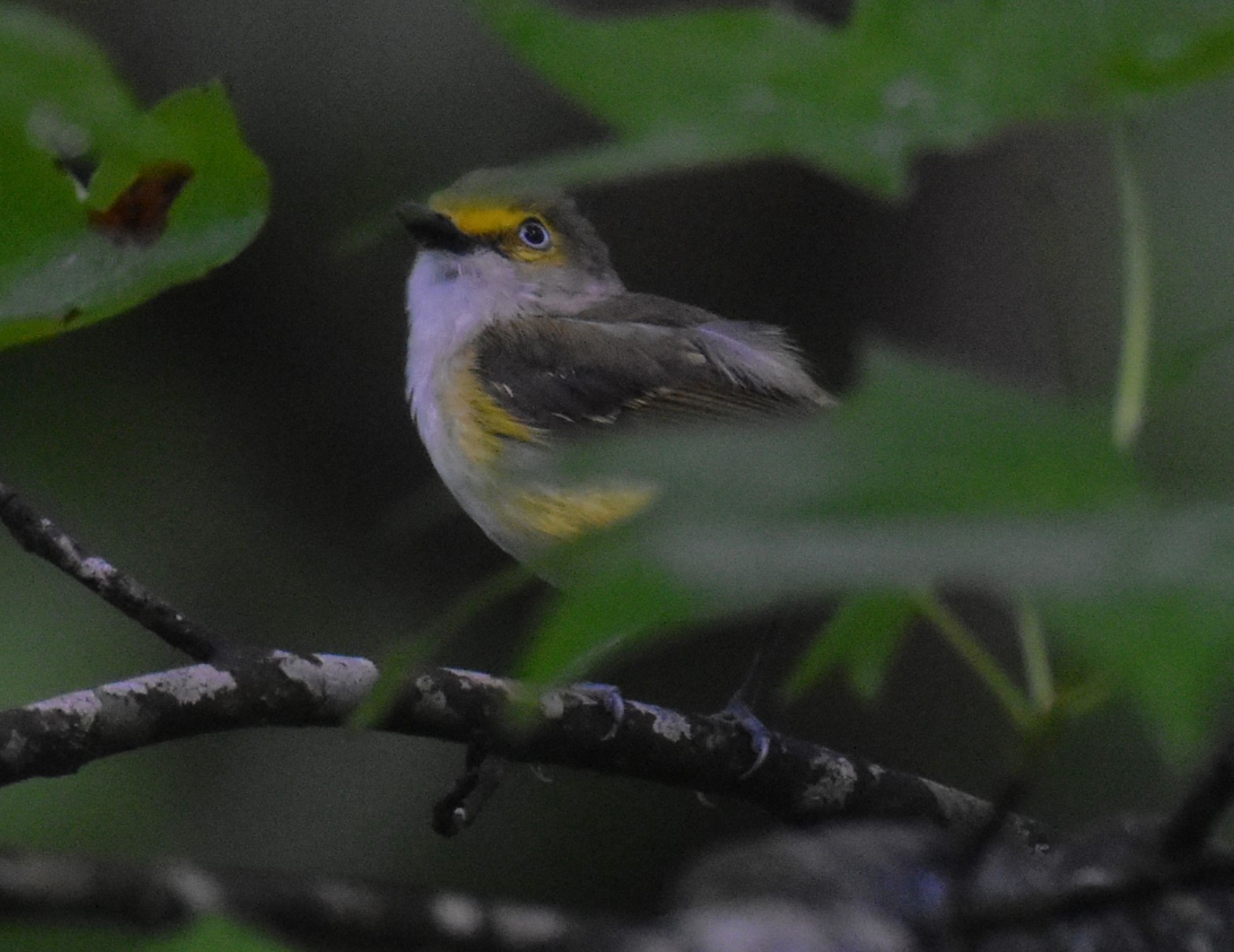
White-eyed Vireo
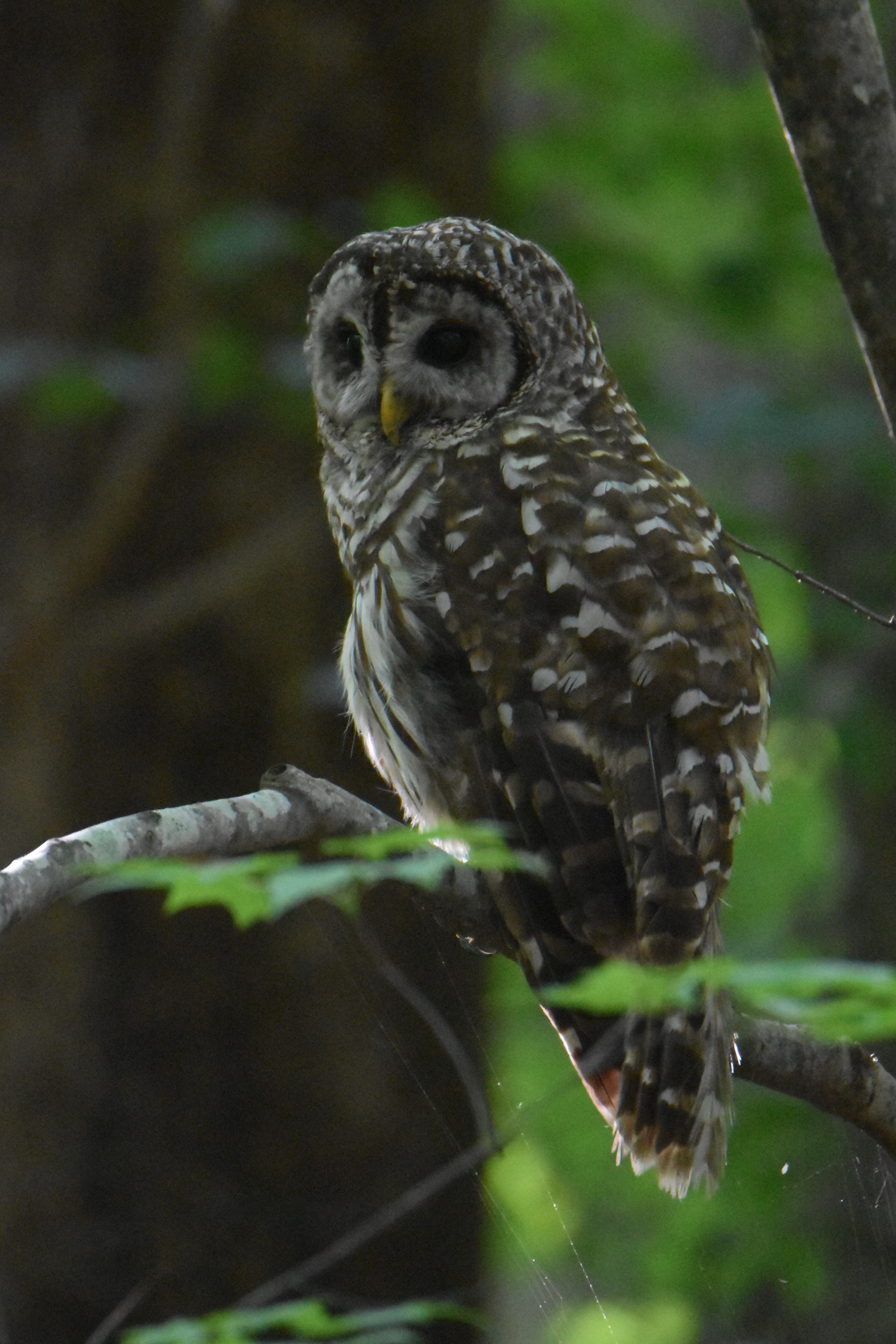
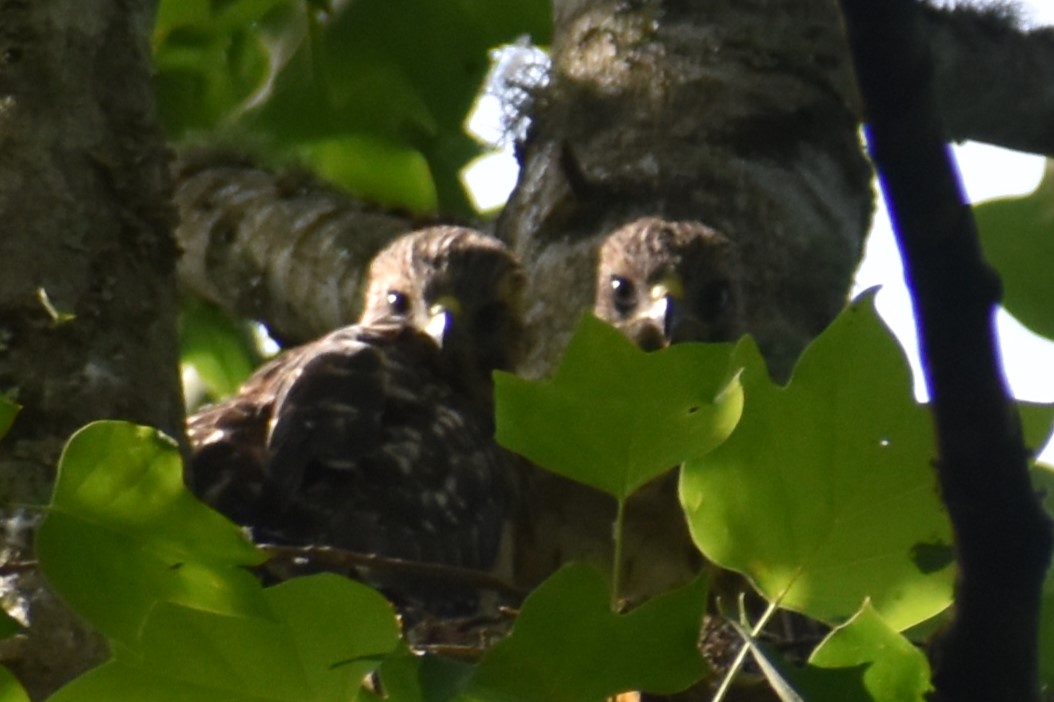
Barred Owl
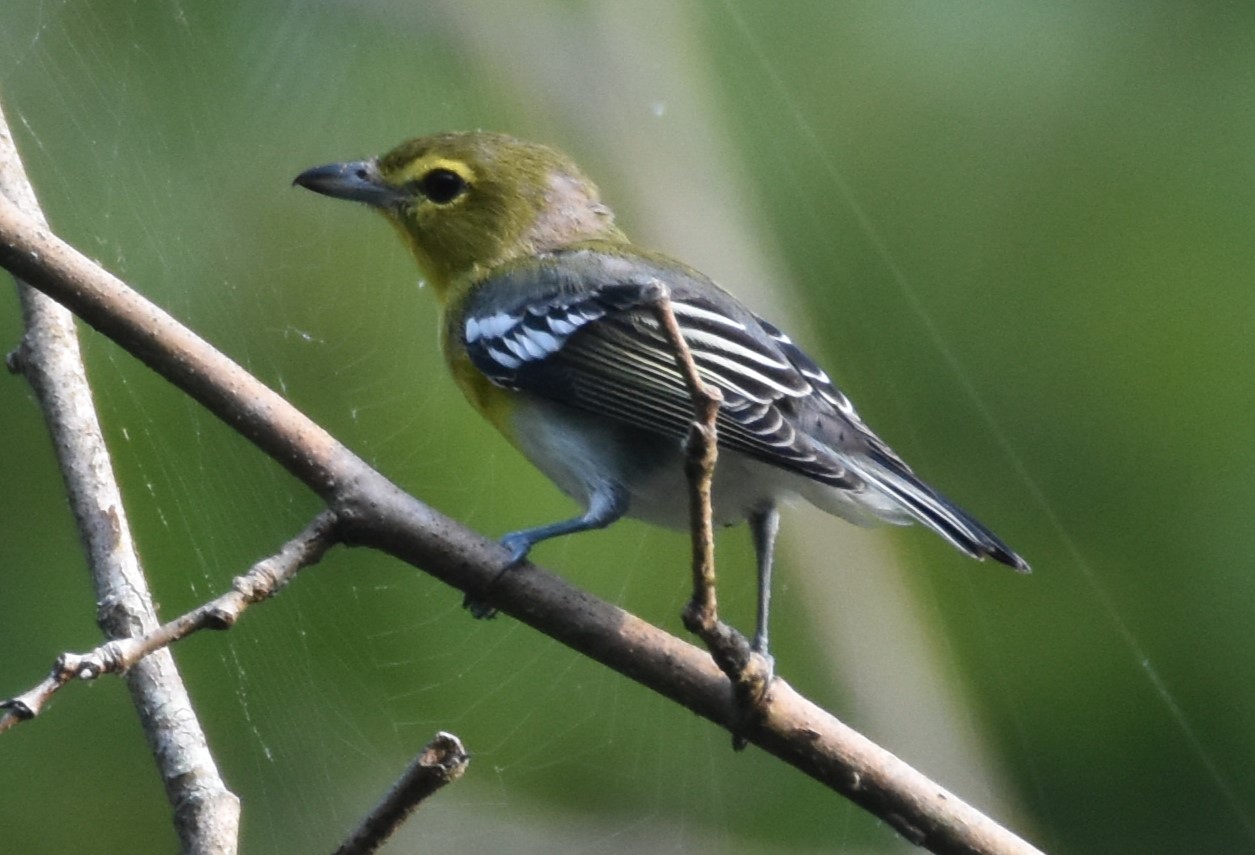
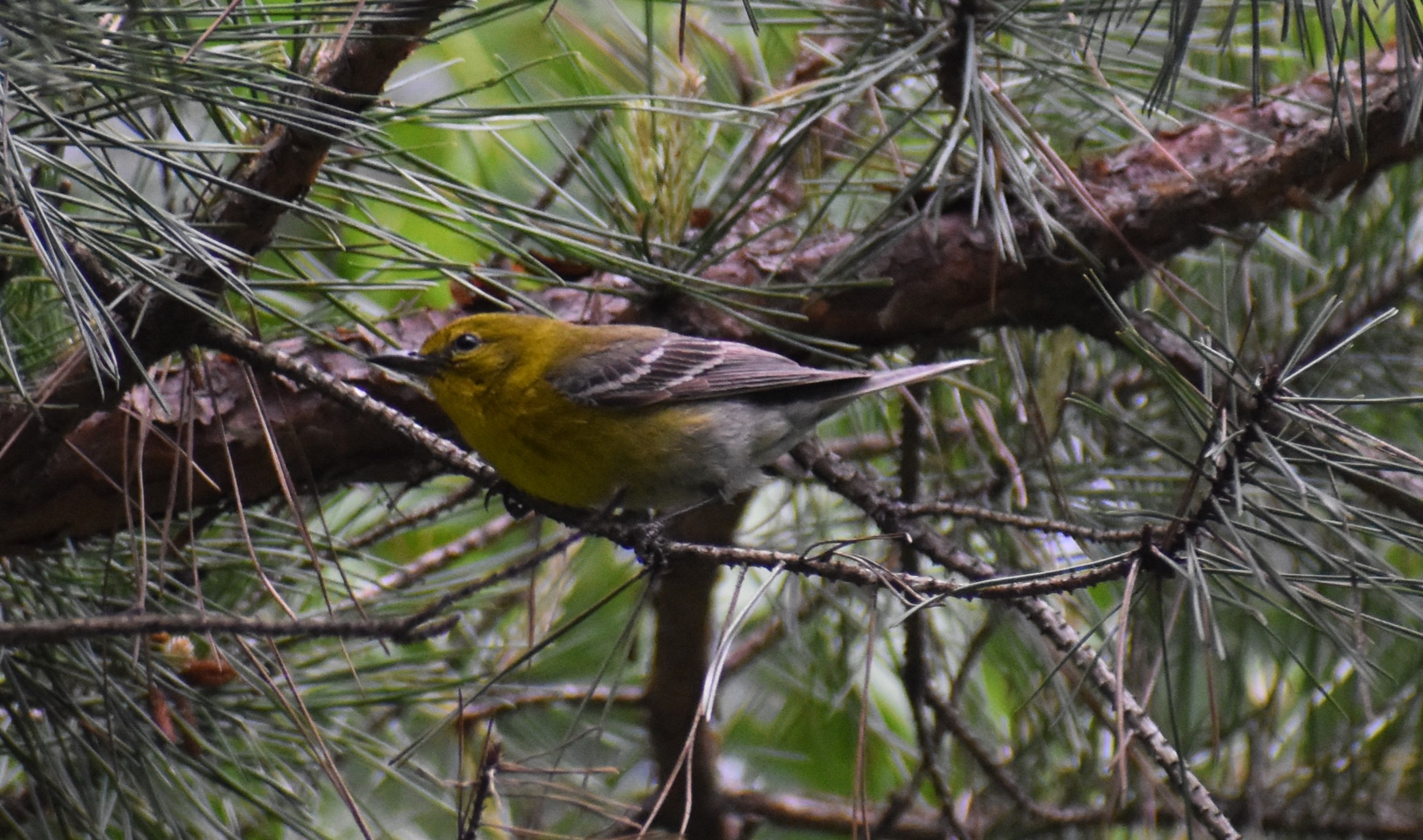
Yellow-throated Vireo
Red-eyed Vireo
Barred Owl (doing a little fishing)
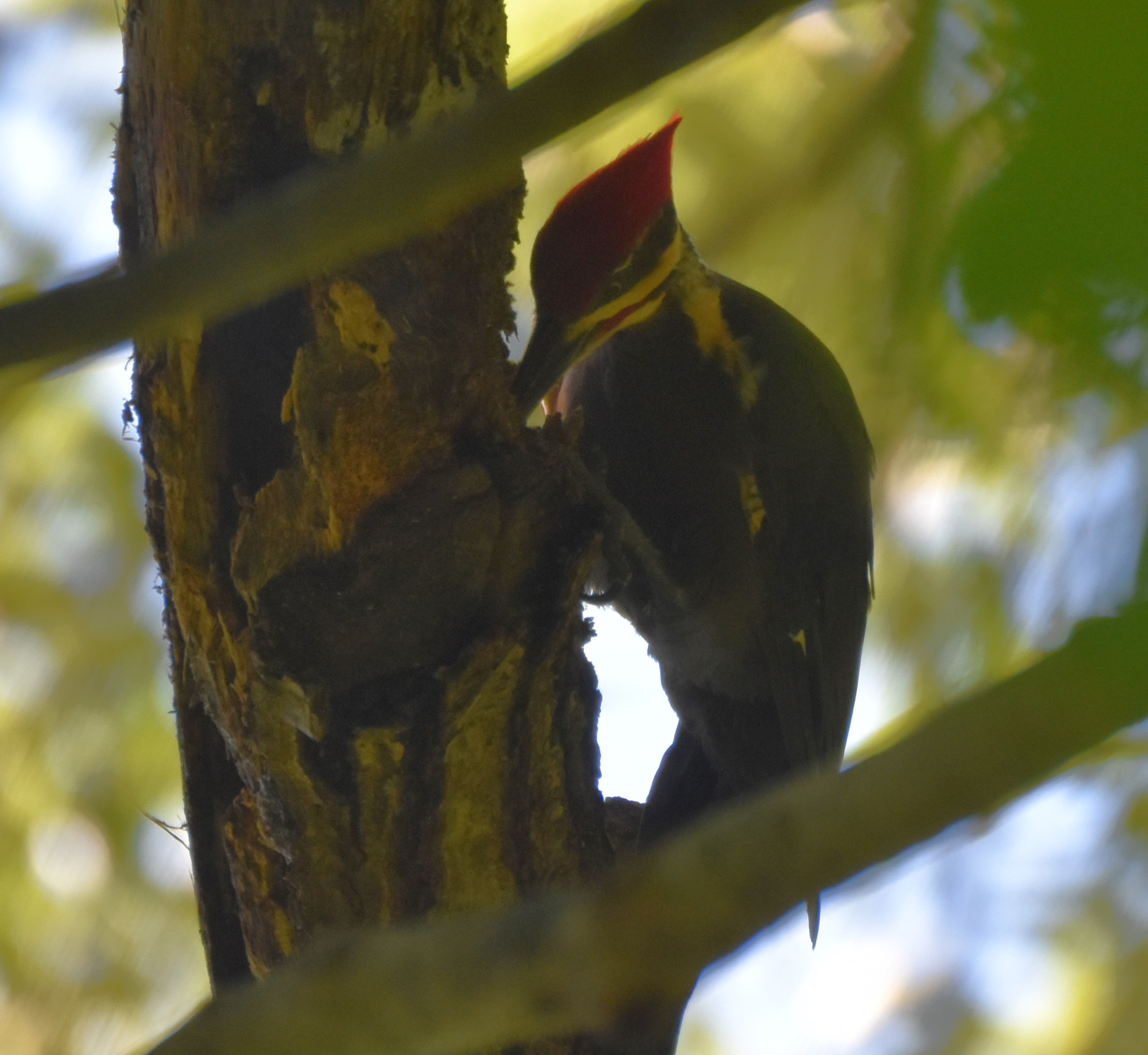
Pileated Woodpecker
Great Crested Flycatcher
(Another) Barred Owl
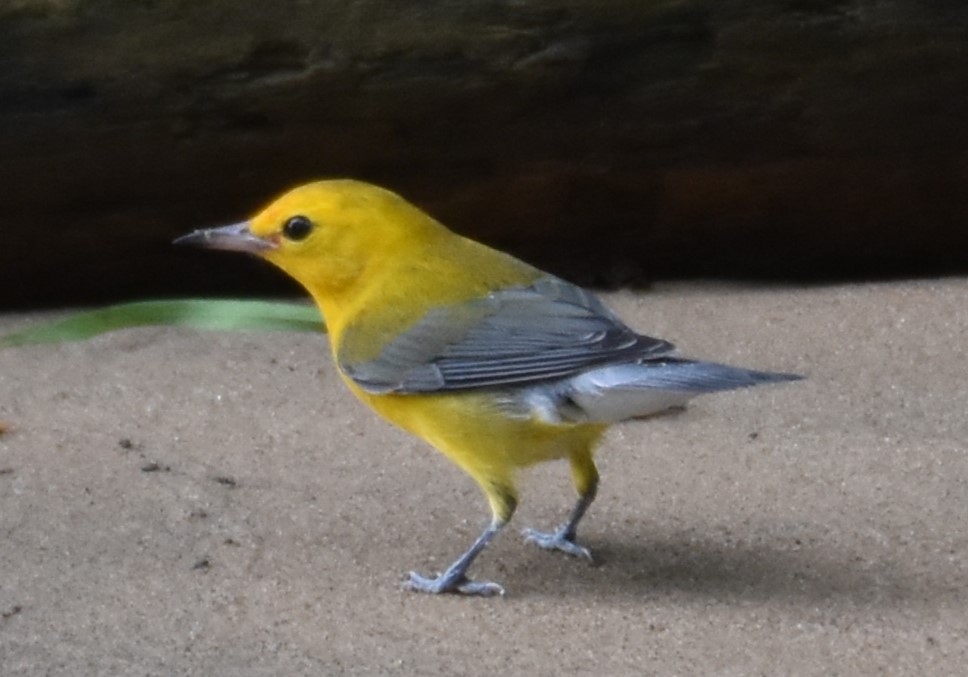
Prothonotary Warbler
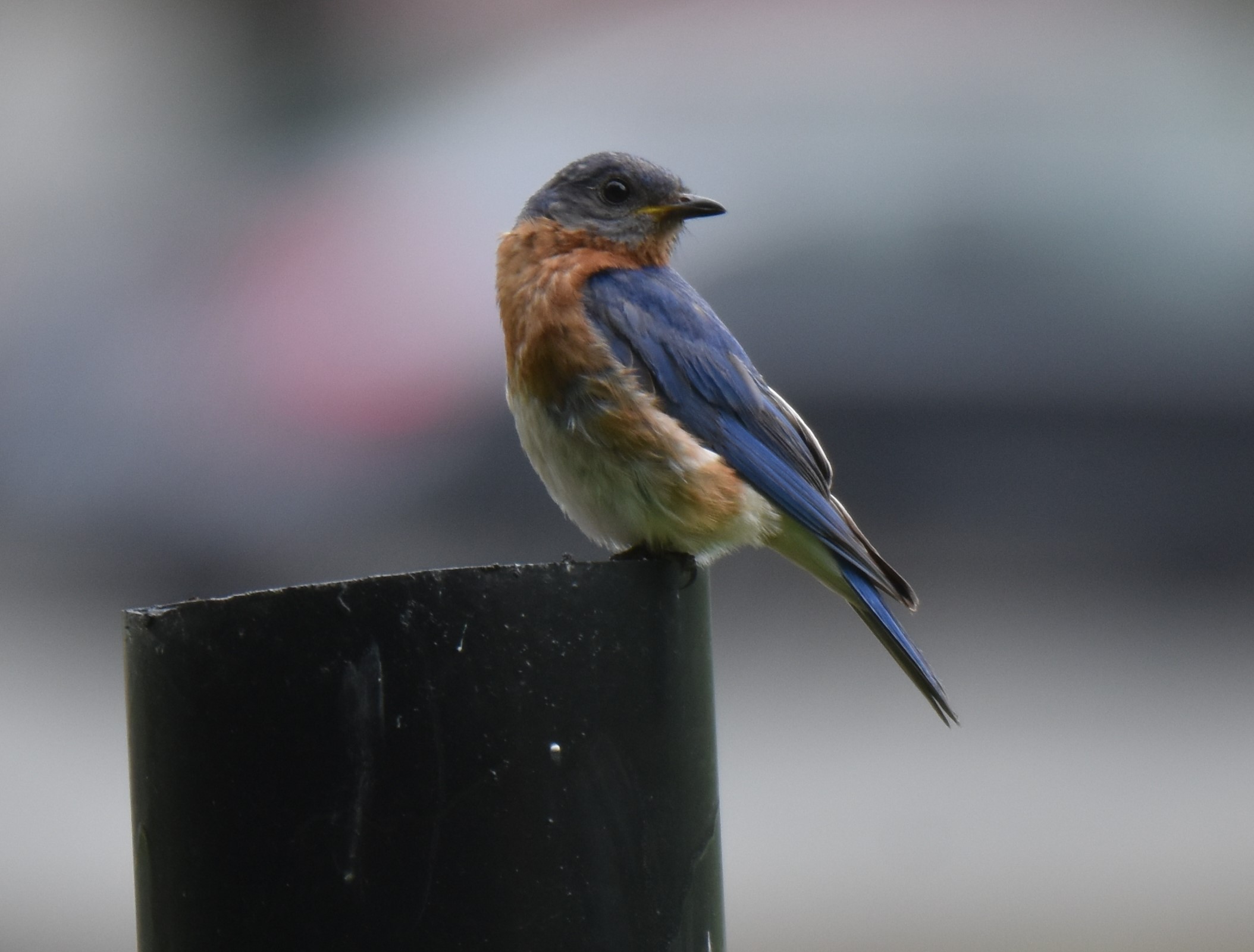
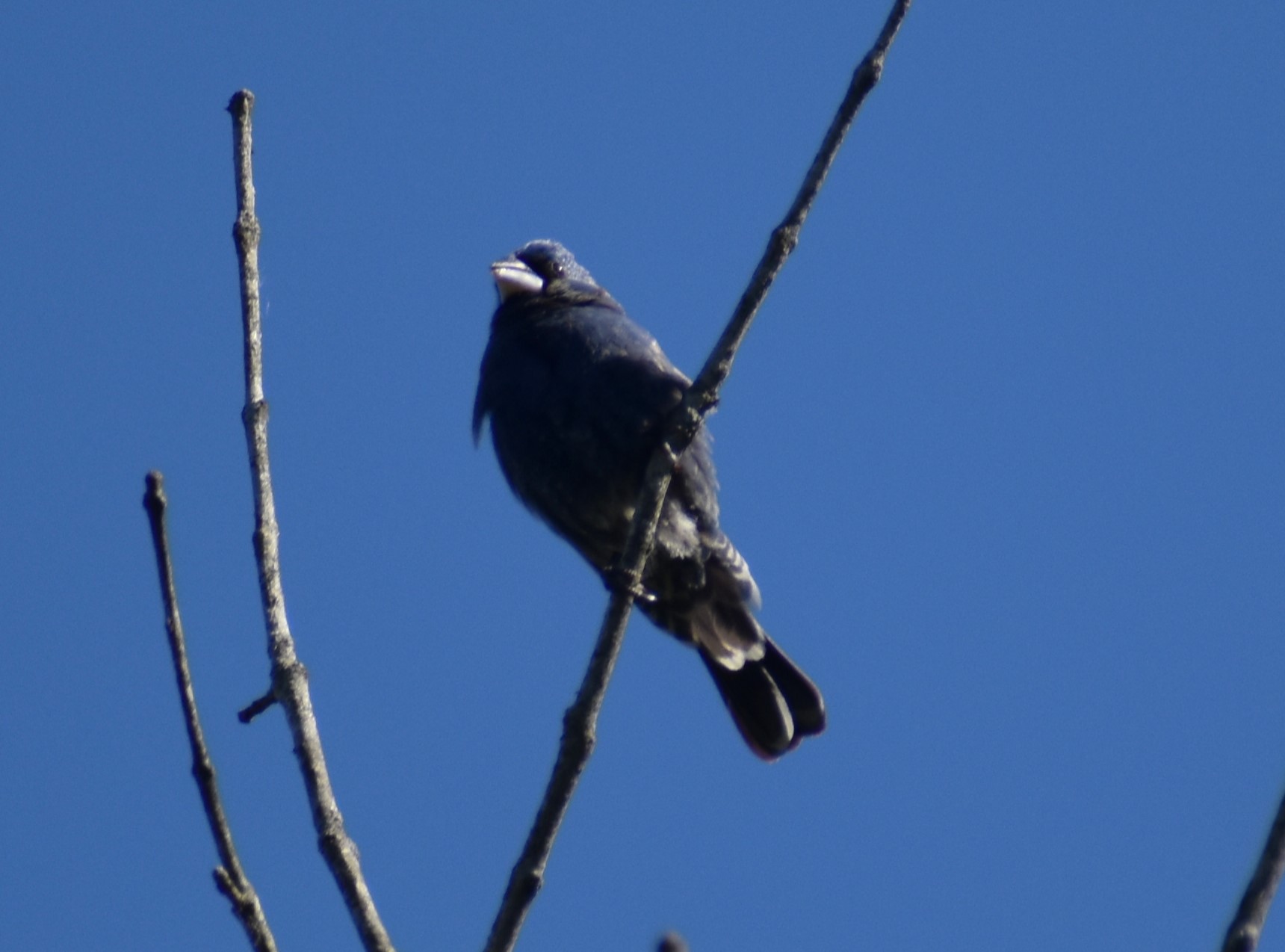
Eastern Bluebird
Ruby-throated Hummingbird (juvenile male; notice the tongue action)
Barn Swallows
“Let everything that has breath praise the Lord. Praise the Lord.” Psalm 150:6
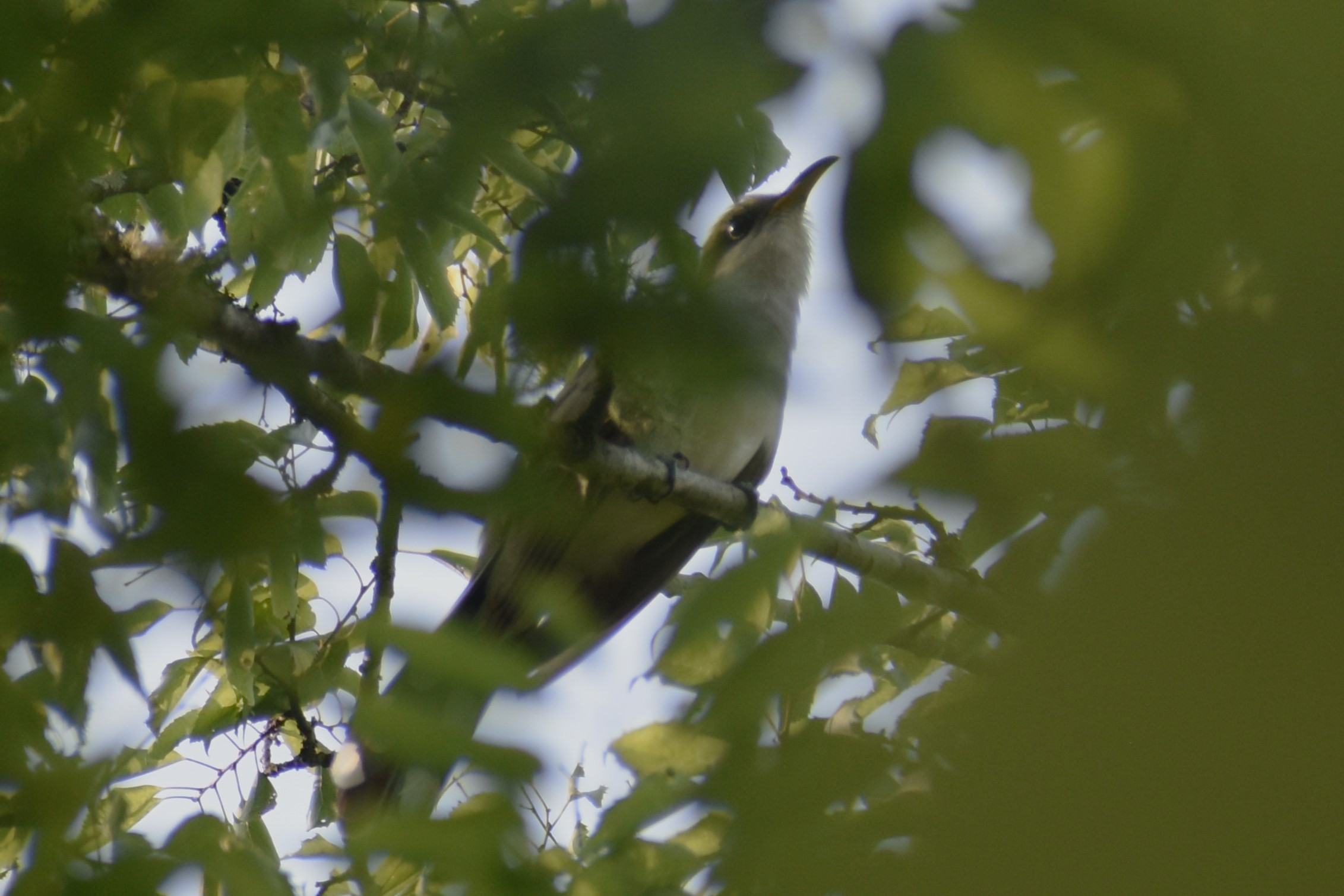
Yellow-billed Cuckoo. I have heard this bird several times at different parks, but didn’t have much hope in seeing it. They stay high in the trees, so I was delighted when this one had his lunch in a tree low enough where I could watch him. These cuckoos come to the Carolinas in April for breeding and stay through October. They spend their winters in South America.
Eastern Kingbird. These birds are part of the group known as the flycatchers. They can be seen around different bodies of water, and they also come to the Carolinas in April and leave in October; making their winter home in South America.
Mourning Doves. These doves don’t migrate. I have them in my yard all year round. I recently ran across an article titled “How to Attract Mourning Doves to Your Yard”. I felt no need to read it.
White-eyed Vireo. This vireo is fairly common in the Carolinas and you will usually hear them even if you never see them. I had walked past a heavy thicket, ready to go home when I heard this one singing. Fortunately, he decided to make an appearance and I was able to get several shots. The white-eyed vireos winter along the Southern coast of the U.S. as well as the coasts of Mexico, the Caribbean, and Central America.
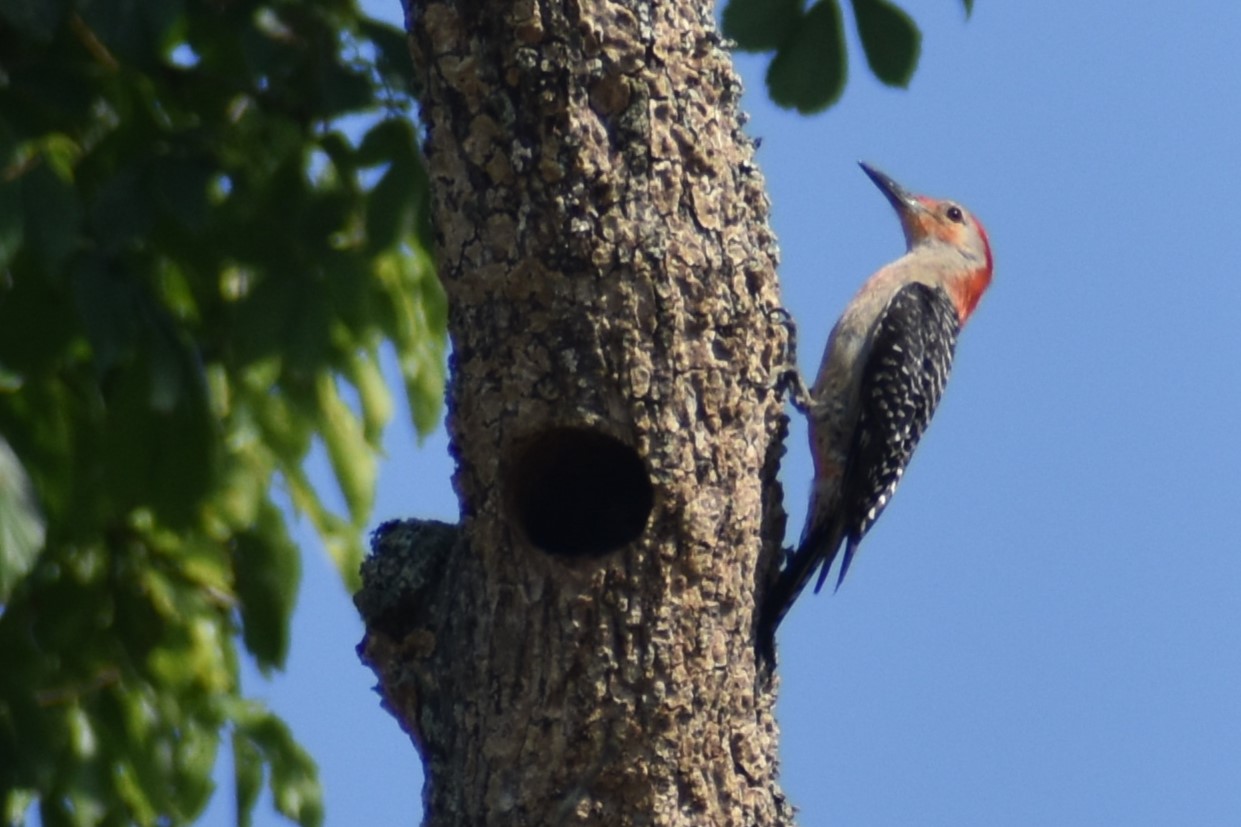
Red-Bellied Woodpecker. This woodpecker lives here year round. They don’t come to my feeders as often as the downy woodpeckers, but they do show up and often bring their young to show them where the snack bar is located.
Ruby-Throated Hummingbird, male fledgling. A male fledgling is the best (probably the only way for me) way I can know for sure that the hummingbirds have had their babies; if not in my yard, then close by. These young males are just starting to flex their red throats, but by next year will look the one below.
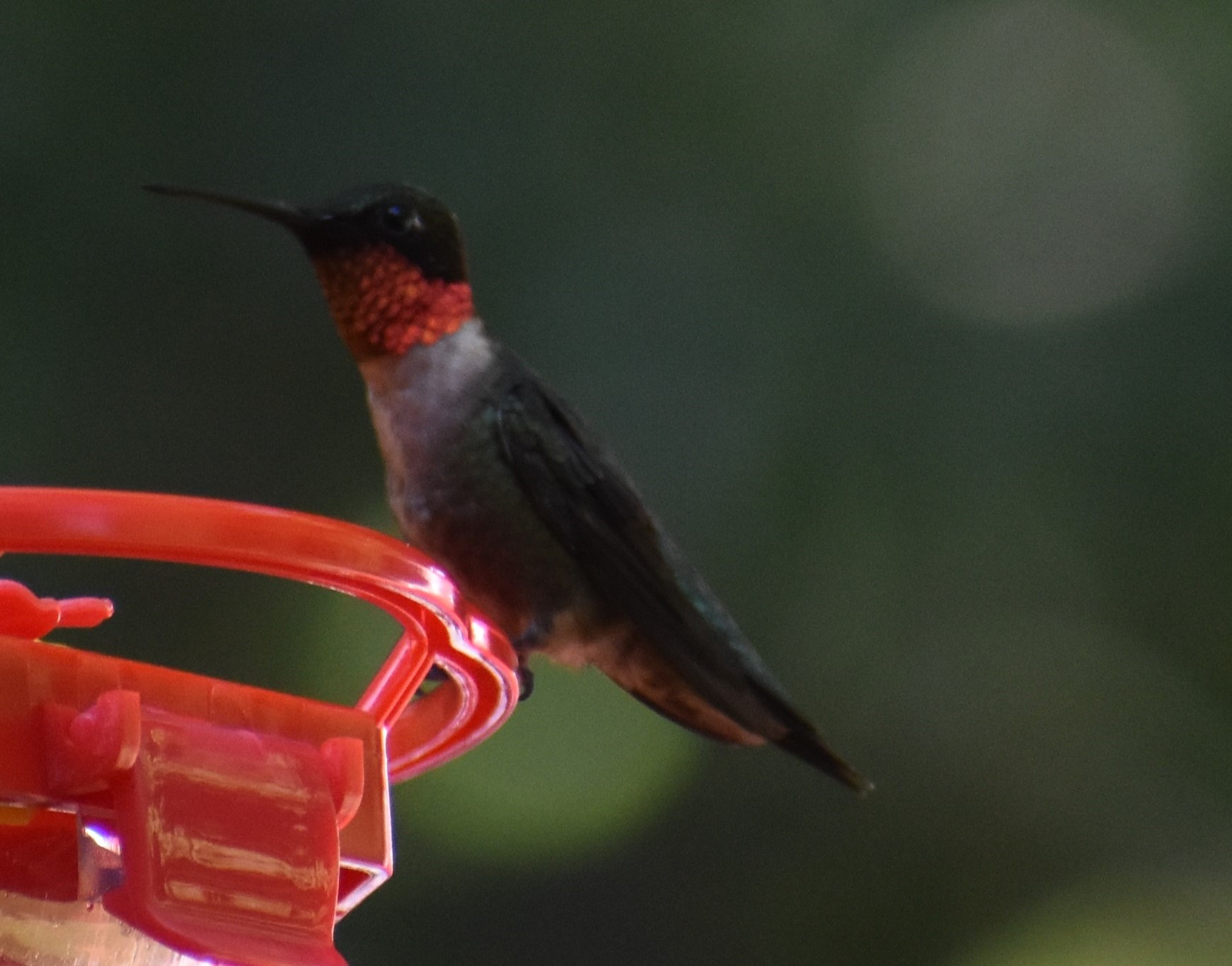
Ruby-throated Hummingbird, adult male. Ruby-throated hummingbirds are the only hummingbird that comes to breed in the eastern part of the U.S. The males are the first to arrive in April. They leave in October to cross the Gulf of Mexico to spend their winters in Mexico.
House Finch–parent and fledgling. The House Finch, though they only came to the Carolinas in the 1960’s, are quite common and can strip a cylinder of sunflower seeds in record time. I had noticed they seemed noisier than usual lately, and when I saw these two, I understood. I’ve been hearing the fledglings (for the most part). They’re in the trees and the feeders and chirp their heads off until a parent finally feeds them.




























 pmgilmer