I am a happily married Christian woman with 5 kids that I homeschooled. I recently received my masters in library science from East Carolina University and am now writing some great stories that I trust will bless and encourage others in the near future. I read books of all genres, but my favorite is historical fiction. I am also writing historical fiction, so I will be posting reviews and news in that area. Happy reading!
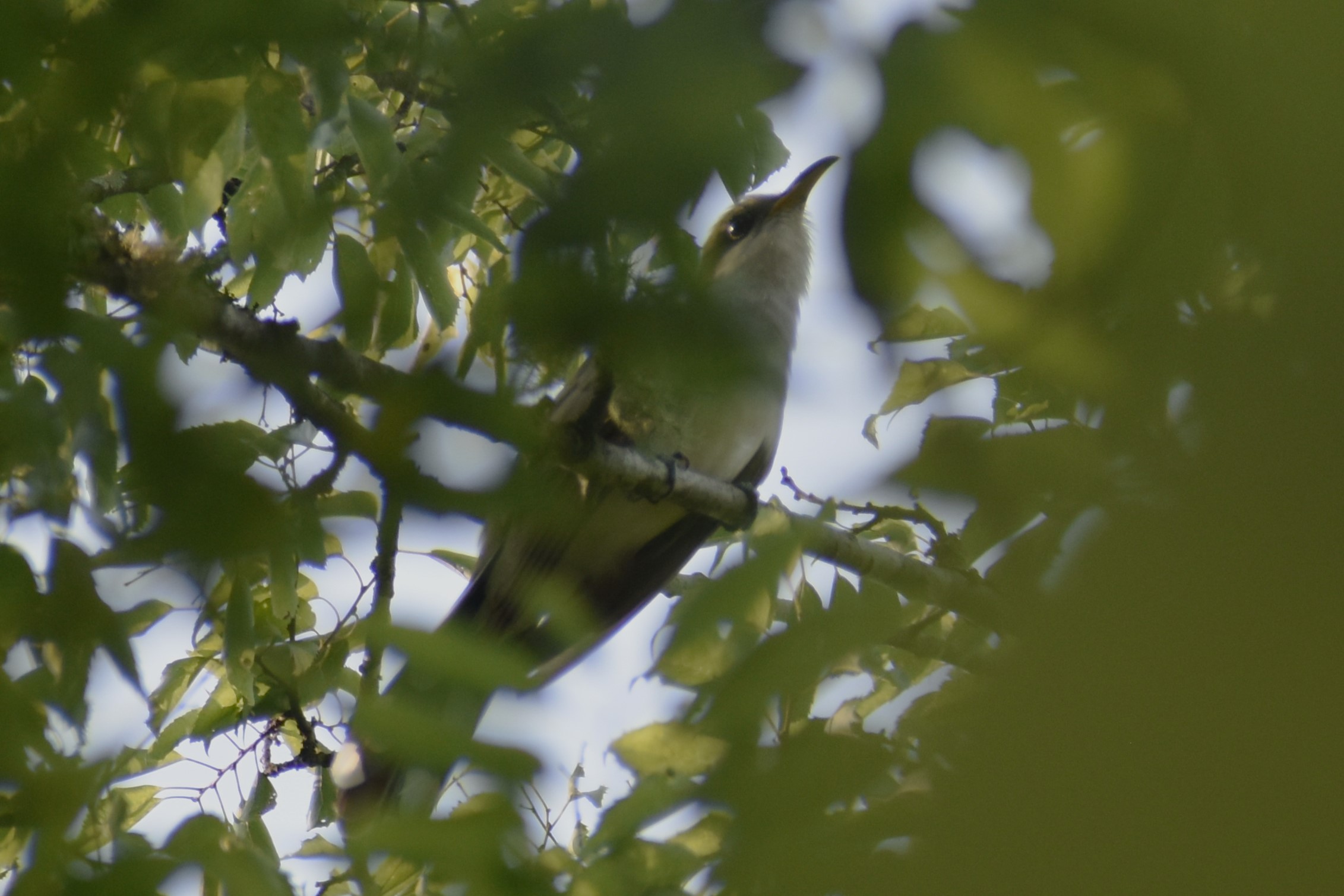
Yellow-billed Cuckoo. I have heard this bird several times at different parks, but didn’t have much hope in seeing it. They stay high in the trees, so I was delighted when this one had his lunch in a tree low enough where I could watch him. These cuckoos come to the Carolinas in April for breeding and stay through October. They spend their winters in South America.
Eastern Kingbird. These birds are part of the group known as the flycatchers. They can be seen around different bodies of water, and they also come to the Carolinas in April and leave in October; making their winter home in South America.
Mourning Doves. These doves don’t migrate. I have them in my yard all year round. I recently ran across an article titled “How to Attract Mourning Doves to Your Yard”. I felt no need to read it.
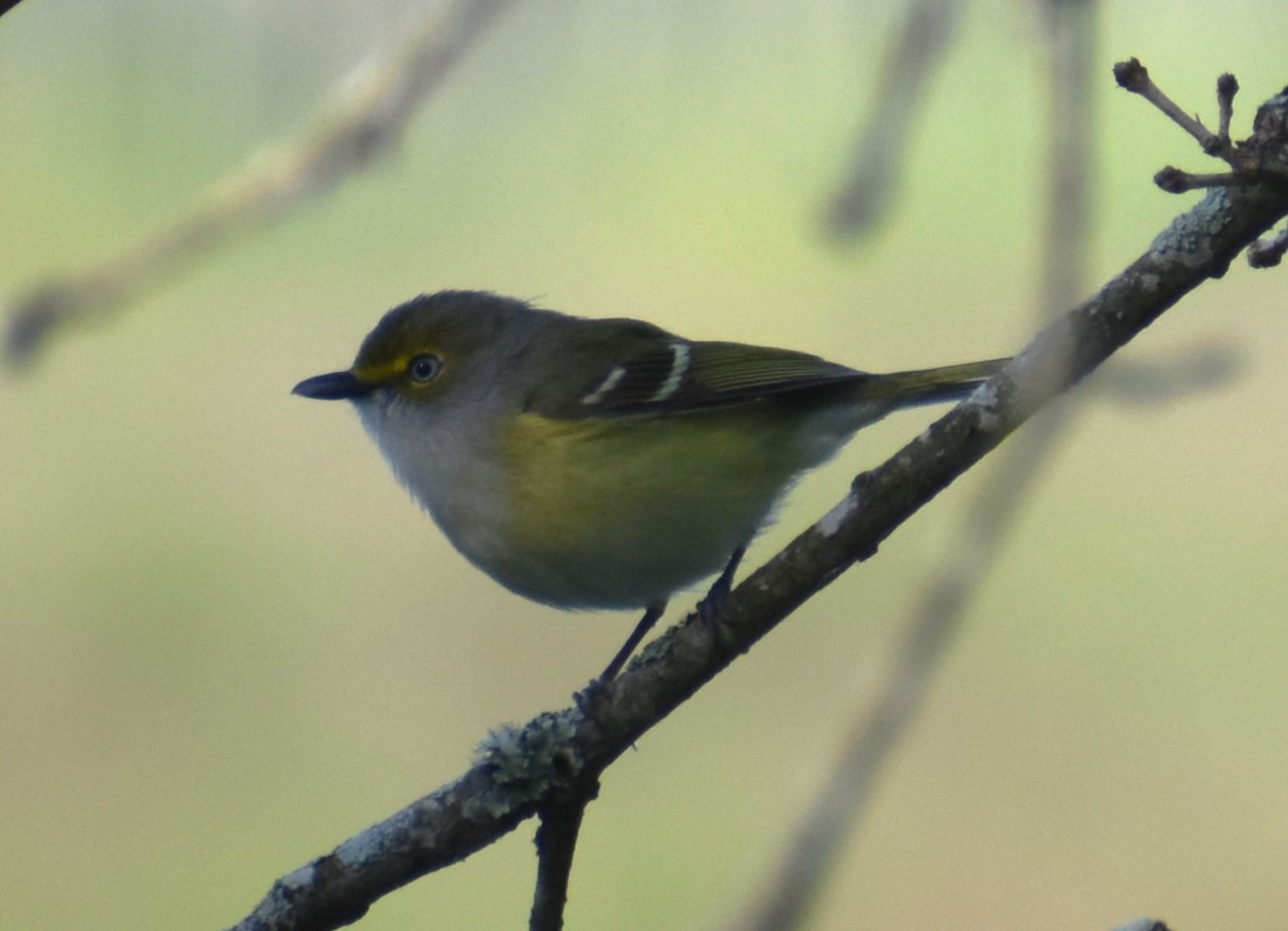
White-eyed Vireo. This vireo is fairly common in the Carolinas and you will usually hear them even if you never see them. I had walked past a heavy thicket, ready to go home when I heard this one singing. Fortunately, he decided to make an appearance and I was able to get several shots. The white-eyed vireos winter along the Southern coast of the U.S. as well as the coasts of Mexico, the Caribbean, and Central America.
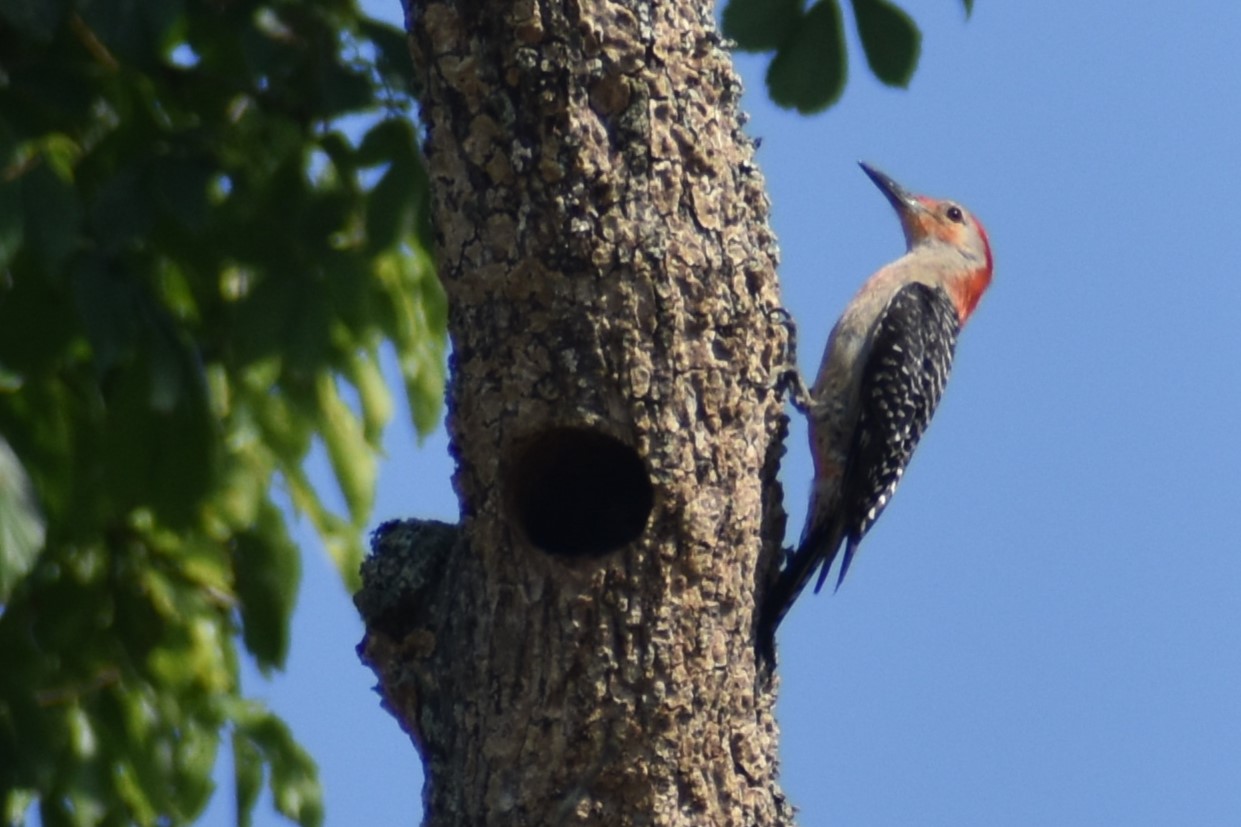
Red-Bellied Woodpecker. This woodpecker lives here year round. They don’t come to my feeders as often as the downy woodpeckers, but they do show up and often bring their young to show them where the snack bar is located.
Ruby-Throated Hummingbird, male fledgling. A male fledgling is the best (probably the only way for me) way I can know for sure that the hummingbirds have had their babies; if not in my yard, then close by. These young males are just starting to flex their red throats, but by next year will look the one below.
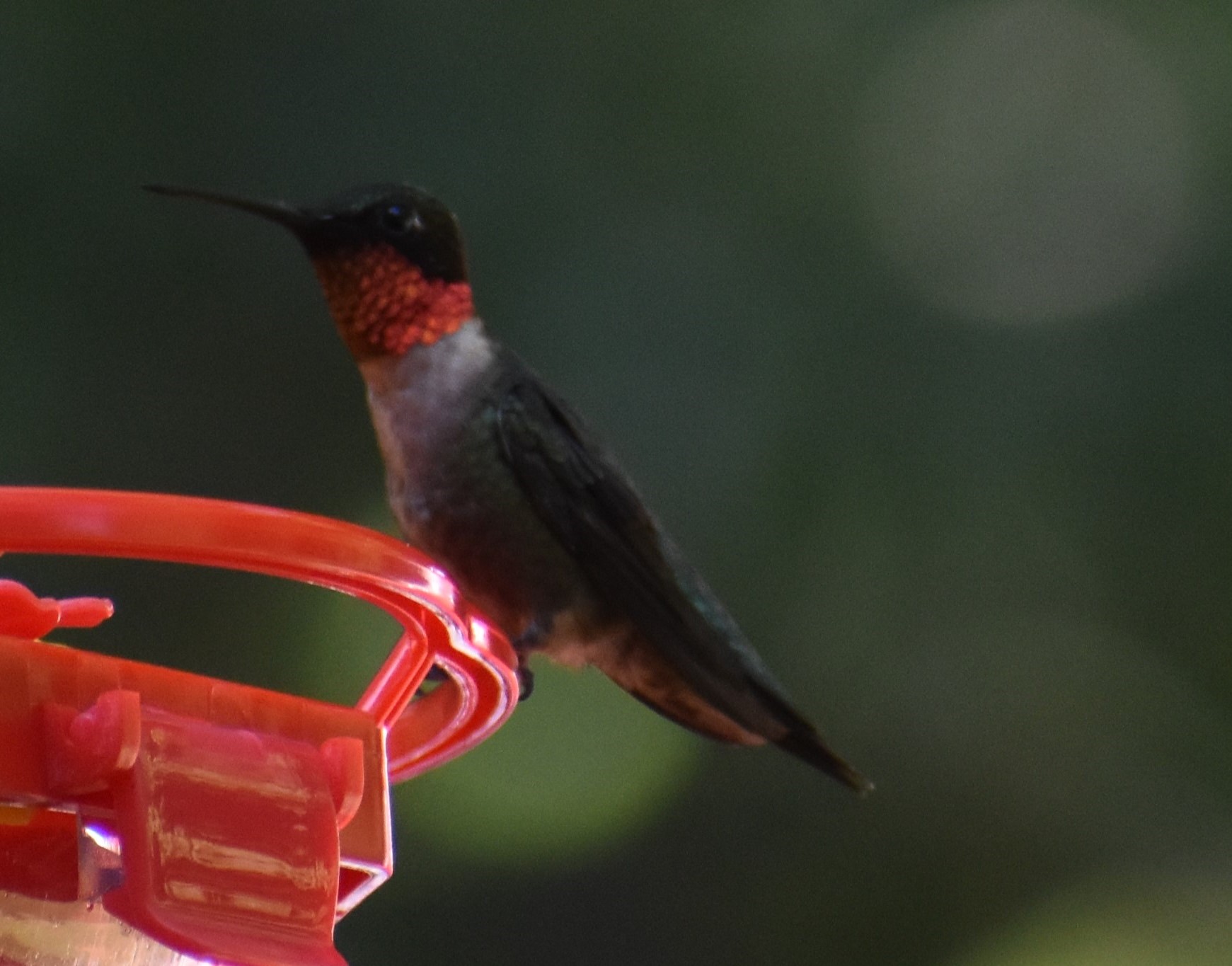
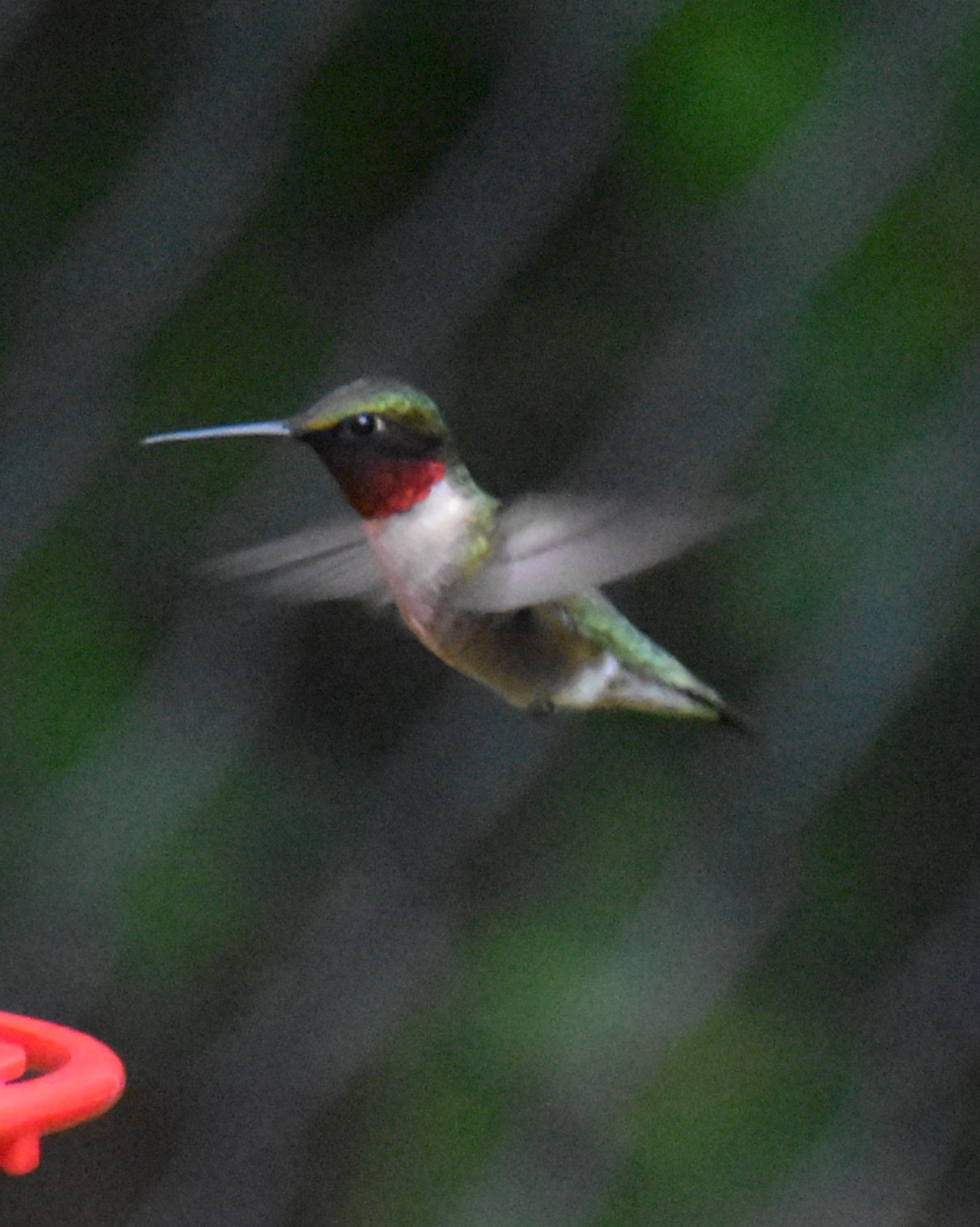
Ruby-throated Hummingbird, adult male. Ruby-throated hummingbirds are the only hummingbird that comes to breed in the eastern part of the U.S. The males are the first to arrive in April. They leave in October to cross the Gulf of Mexico to spend their winters in Mexico.
House Finch–parent and fledgling. The House Finch, though they only came to the Carolinas in the 1960’s, are quite common and can strip a cylinder of sunflower seeds in record time. I had noticed they seemed noisier than usual lately, and when I saw these two, I understood. I’ve been hearing the fledglings (for the most part). They’re in the trees and the feeders and chirp their heads off until a parent finally feeds them.
If anyone out there is paying attention, I did a post on my favorite books of 2022 for the first half of that year, but I never did a follow-up. I’m sure I read some good books the second half of the year, but somehow, I just couldn’t come up with them. Since I rated 4 books 5 stars in May, I thought I should write down my thoughts about them now. As come December, I surely won’t remember.
In January, my top book was The Mermaid of Black Conch. This is my second book by Monique Roffey, a British/Trinidadian writer. Though totally different from The White Woman on the Green Bicycle, I loved it just as much. The Mermaid starts in 1976 where David is fishing off the island of Black Conch. He meets a mermaid, Aycayia, and is enthralled. He pays her several visits, but one day she is captured by some American tourists who have come to fish. David knows he must rescue her, but how do you hide and keep a mermaid?
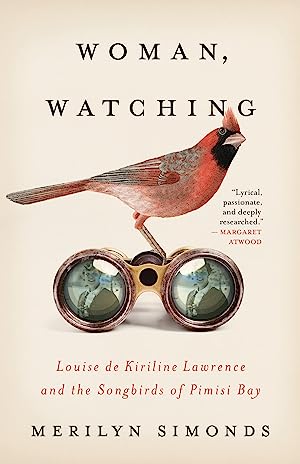
In February: Woman Watching: Louise de Kiriline Lawrence and the Songbirds of Pimisi Bay by Merilyn Simonds.I don’t often have a nonfiction book for my favorite, but I quite enjoyed this biography of a woman who became known for what she did for birding, but led a very interesting life all around. A Swedish aristocrat, she gave up much of her life of privilege as she was not one to sit around and enjoy an idle life. After surviving the Russian Revolution (though losing her husband), she went to Canada and joined the Canadian Red Cross and visited her patients by dogsled. She became a nurse to the famous Dionne Quintuplets, but when she could take no more of the media circus, she made her home in the wilderness, living alone in a cabin. Though she had no formal training, she began studying the birds that lived there, writing to scientists and eventually writing her own stories and articles as she did extensive research. Ornithologists from all over the world came to visit and learn from her. The author, Simonds, moved into the woods not far from where Lawrence was living in her later years. A birder, herself, Simonds was able to spent time with Lawrence which adds much to the biography of this fascinating woman.
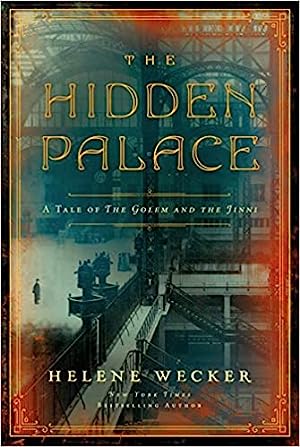
In March, The Hidden Palace.
First of all, I loved, loved this book! Second of all, if you haven’t read The Golem and the Jinni, stop reading this review and go read it first. I kind of wish I had reread it before starting this second, but I anticipate a reread of both sometime in the future when I need some comfort reads. These are the type of books I think can be even better the second time around. Told through the viewpoints of several characters, this takes place in New York City in the early 20th century, just as the Great War is beginning, and continues the stories of the Golem (Chava) and the Jinni (Ahmad). Not needing sleep and never aging brings on difficulties that they both have to face and deal with it. Then there’s Anna and her son, Toby, (also characters from the previous book). Toby has a continuing nightmare and is starting to be suspicious about both his mother’s and her friend, Chava’s, past. What are they not telling him? Sophia who had a relationship with Ahmad in the first book is suffering the consequences of that relationship and her parents have sent her across the ocean to keep from needing to dealing with her. New characters include a female jinni who wants to meet the “iron-bound jinni” and will do what it takes to cross the ocean to find him; and Kreindel, the young daughter of a rabbi who wants to make a golem for her own protection. All great characters and I enjoyed seeing their stories intersect.
In April, no five stars or stand-outs, but May made up for it.
In May:
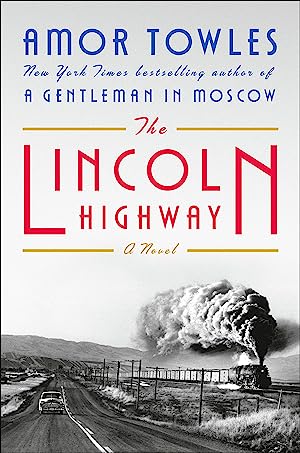
The Lincoln Highway by Amor Towles. This is one long, crazy adventure story and I loved it every bit of it. It covers ten days in June, 1954 and begins when 18 year old Emmett is driven home from a work farm where he has served time, but has been released early because of his father’s death. The bank has foreclosed on his father’s farm, so Emmett just wants to sign some papers for the bank, pick up his eight-year old brother, Billy, and head off to California to start a new life. Unfortunately, when the warden drives away, two of Emmett’s friends from the work farm appear and they have other ideas of what they all need to do to give themselves a better future.
The Golden Spoon by Jess Maxwell. This is a fun mystery especially if you’re into baking shows. Six amateur bakers are competing for the Golden Spoon at Grafton Manor, home of their host, Betsy Martin. Grafton Manor is her family home and the successful baking show has enabled her to keep up the manor and its grounds. The six contestants each have their own reasons for being there and not all of them are there just to win. Then, on the first day of the competition, an act of sabotage amps up an already tense situation.
Journey Under the Midnight Sun by Keigo Higashino. (Listed by both titles on Goodreads). A Japanese mystery translated by Alexander O. Smith. I have read a couple of other mysteries by Higashino and enjoyed them all, but this was the longest and most complex. I had to make a list of the characters to keep everyone straight. Partly because of the Japanese names (unfamiliar to me), but mostly because many characters were introduced and different timelines were going on. A man is found murdered in Osaka in 1973. Detective Sasagaki works the case, but it takes him over twenty years to put together the pieces of what really happened that day. As I said, many characters are introduced, but it’s not until the end that you begin to see how they relate and come together.
Homegoing by Yaa Gyasi. In the 18th century, two half sisters are born into different villages in Ghana. One will marry an Englishman involved in the slave trade. The other will be captured and enslaved. Homegoing follows the different paths of these women and their descendants. Very well-written piece of historical fiction that covers everything from the Gold Coast to plantations of the U.S. South to Jazz Age Harlem.
And in June:
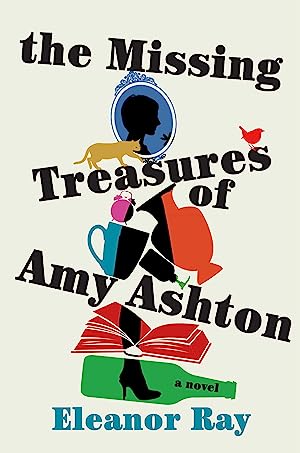
The Missing Treasures of Amy Ashton by Eleanor Ray. Every now and then, I look through my Goodreads TBR and randomly pick out a book. There are, of course, many I know I want to read, but there are others that I have no idea how they got there or what they’re even about. If it sparks my interest, I check the library. If the library doesn’t have it, I’ll take it off my list; or maybe I’ll just go ahead and buy it. (Okay, sometimes, I do that. My continuing contribution to the publishing world). This was a book I remembered nothing about but it was available on Libby, so I checked it out. This debut was a nice surprise as I went in knowing nothing about it. Some list it as “chick lit” but it has a little more depth than that. Amy once wanted to be an artist, but now, rather than making art, she collects it–everything from ashtrays to vases to cigarette lighters. Her house and even her yard is becoming a danger area. Though trying to be understanding, her neighbors are becoming concerned. Yes, Amy went through a terrible loss, but shouldn’t she be over it by now?
Small Admissions By Amy Poeppel. I read Musical Chairs by Poeppel some time ago and decided to go back and read her first book. In this one, grad student Kate is dumped by her boyfriend just when she landed in France to join him for what, she thought, would be their new life together. Her sister and friends from college are there for her, but Kate wallows for months, not even wanting to leave her couch. Thanks to her sister’s help, she gets a job interview at a prestigious day school in New York. Though her interview is one for the ages (and not in a good way), she gets the job and is soon wrapped up in the world of parents and students competing wildly for a place at this middle school. Filled with outrageous characters and snarky humor, I greatly enjoyed (and even laughed out loud on occasion) this book and look forward to reading more by Poeppel.
The first half of my reading year is going great and I’m looking forward to more great reads. How about you? Read any good books lately?
Painted Turtles (okay, not birds, but still pretty amazing!)
“And God said, ‘Let the waters swarm with swarms of living creatures, and let birds fly above the earth across the expanse of the heavens.'” Genesis 1:14
“Few forms of life appeal so strongly to the aesthetic sense. They are beautiful; they arouse curiousity; their elusiveness piques the imagination; and by constantly presenting new aspects they escape becoming commonplace.” Percy Taverner (Canadian ornithologist) in a letter written to Louise de Kiriline Lawrence.
Yellow-bellied Sapsucker
White-breasted Nuthatch
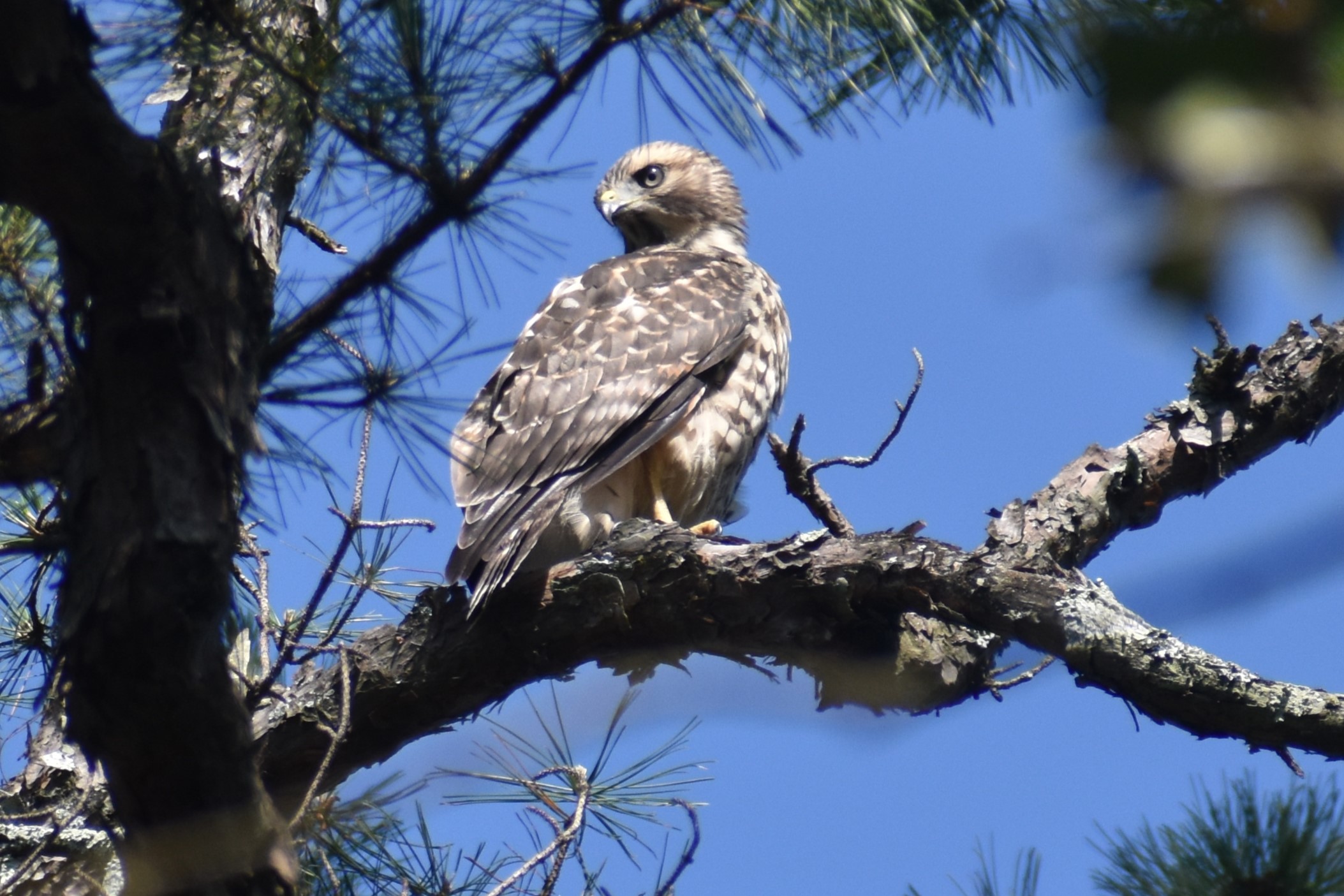
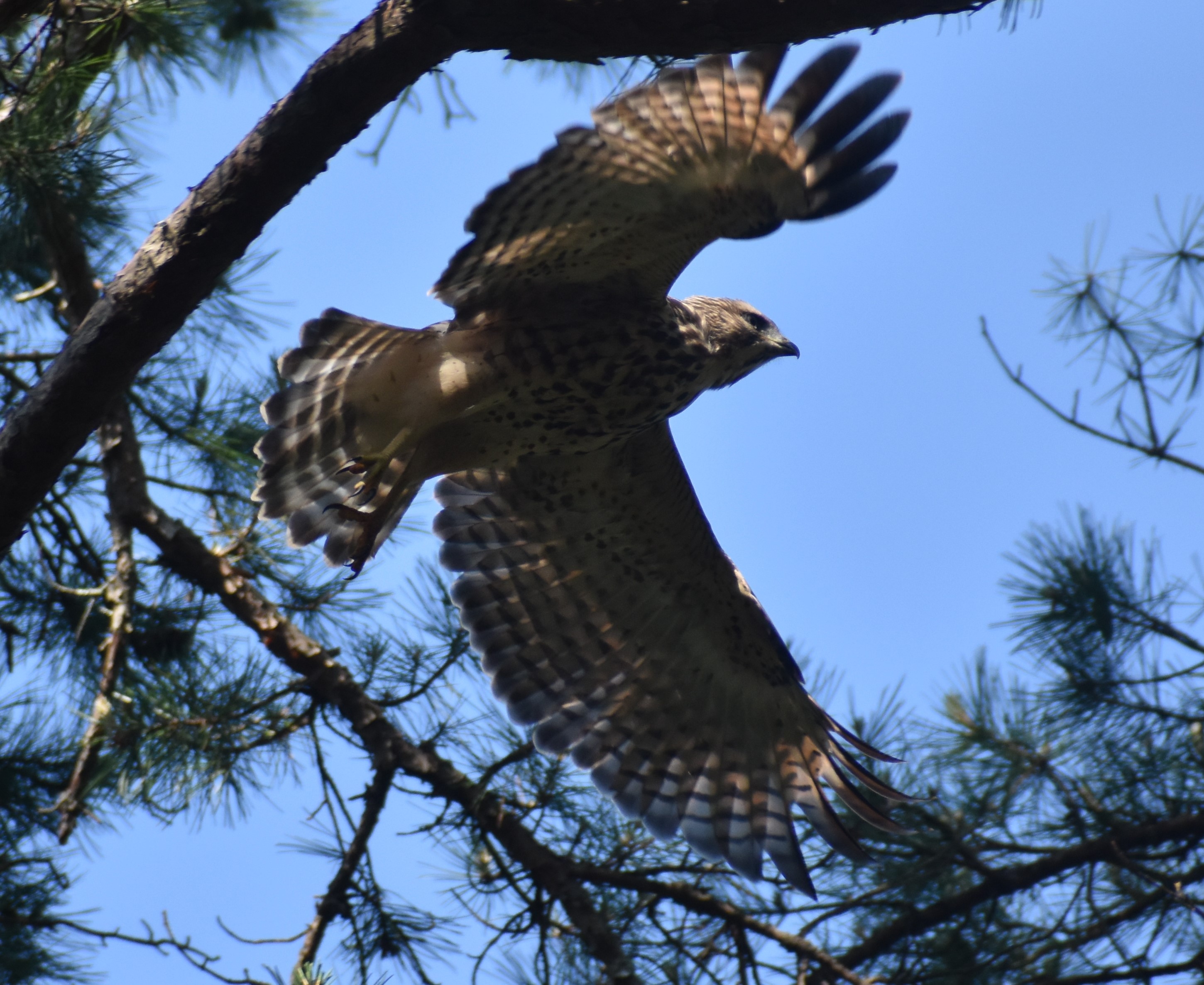
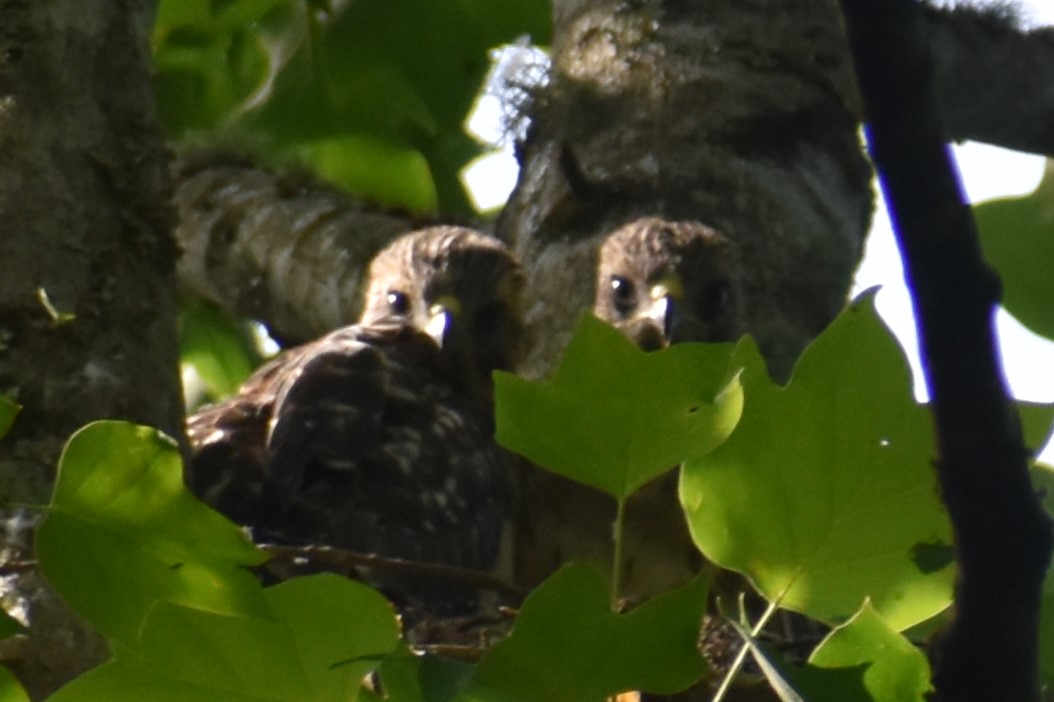
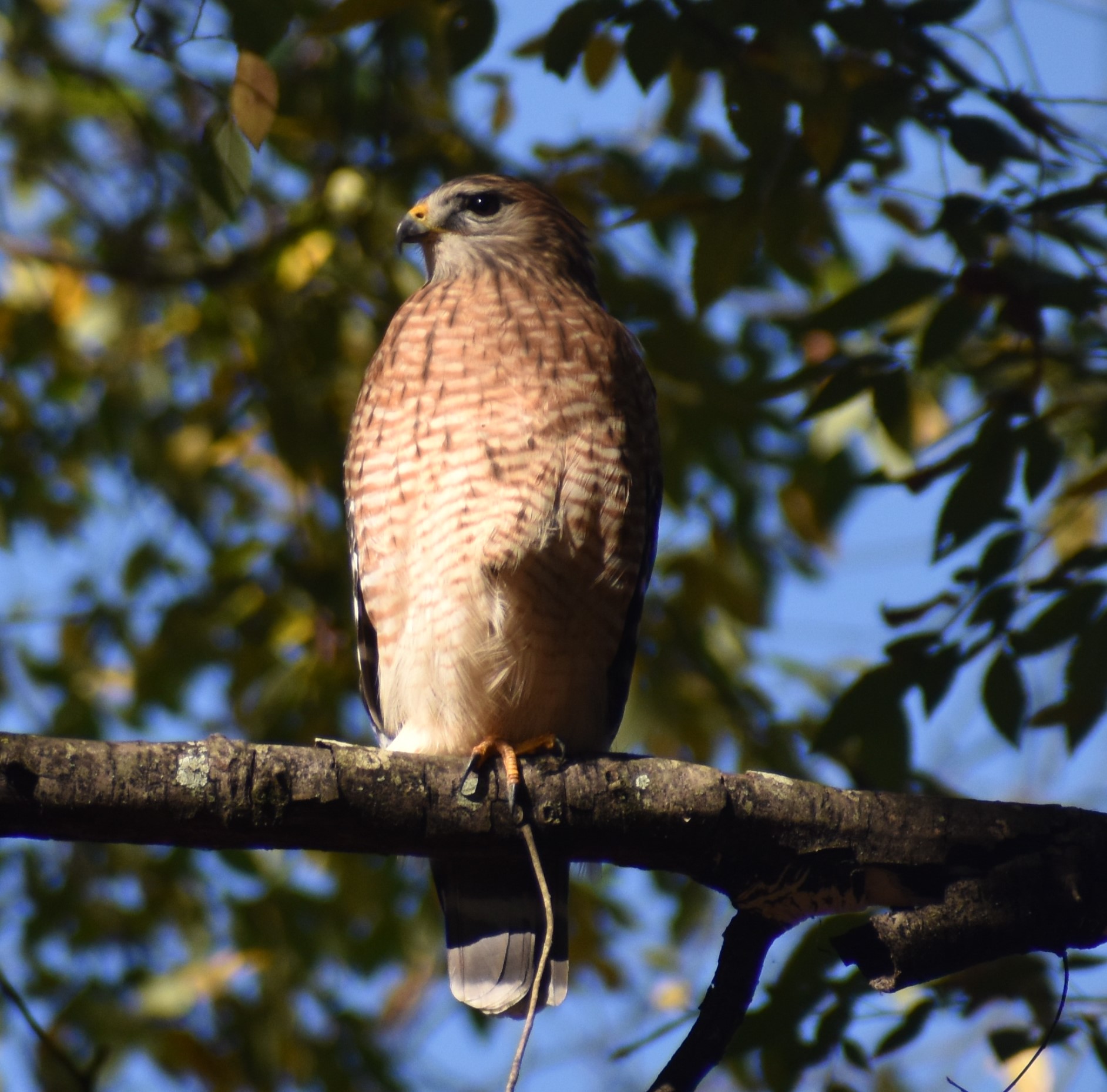
Red-shouldered Hawk
Hermit Thrush
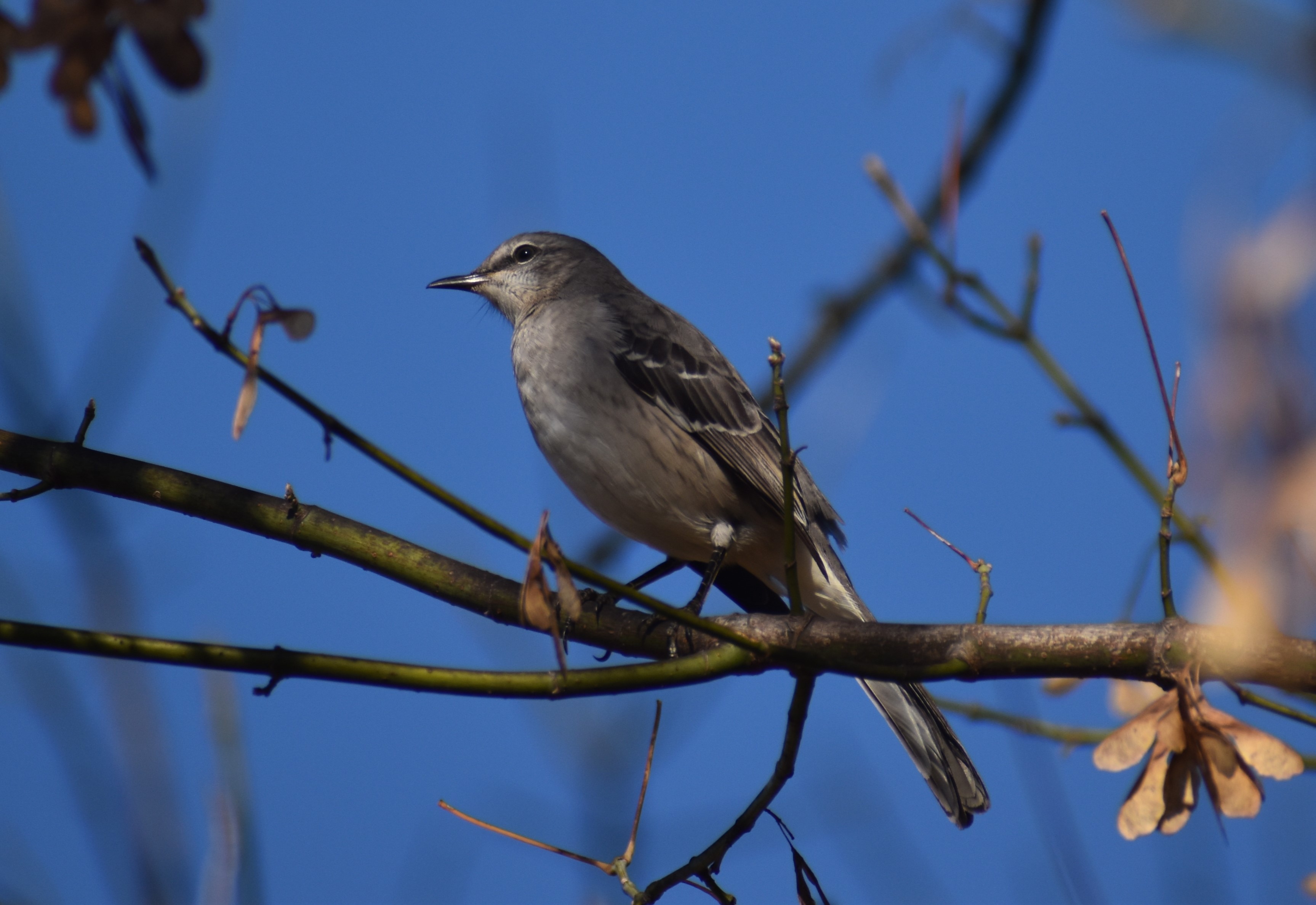
Northern Mockingbird
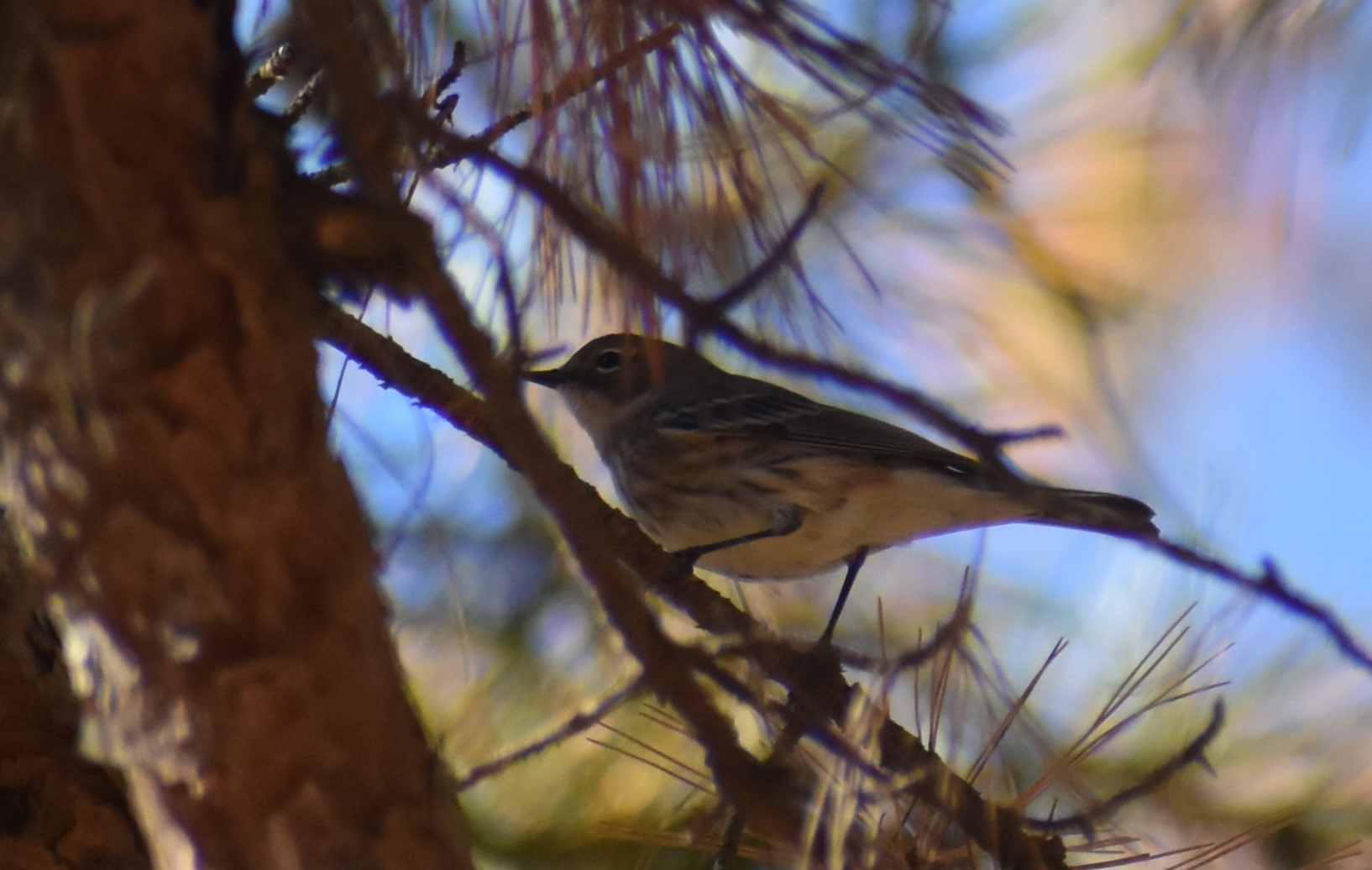
Myrtle Warbler
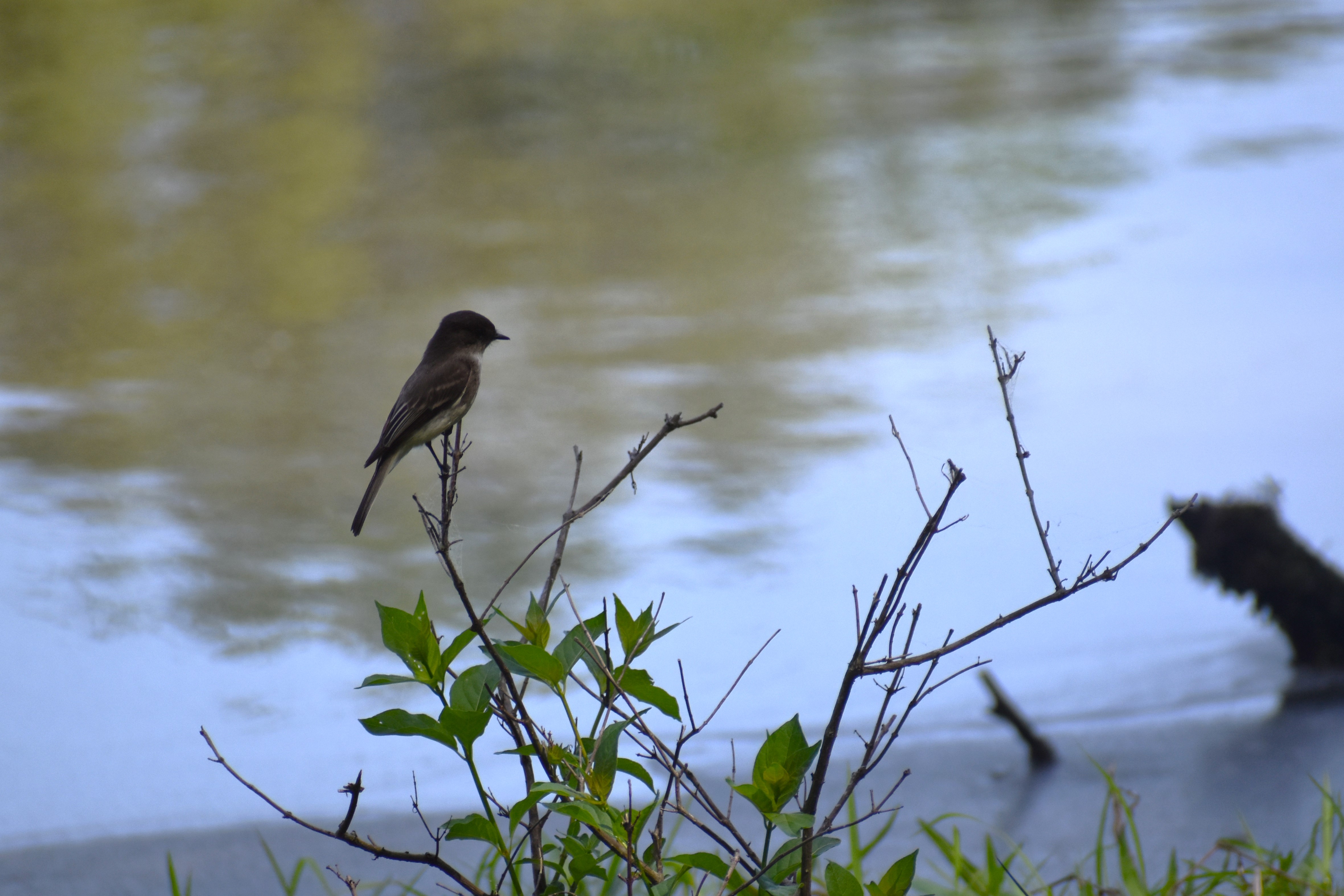
Eastern Phoebe
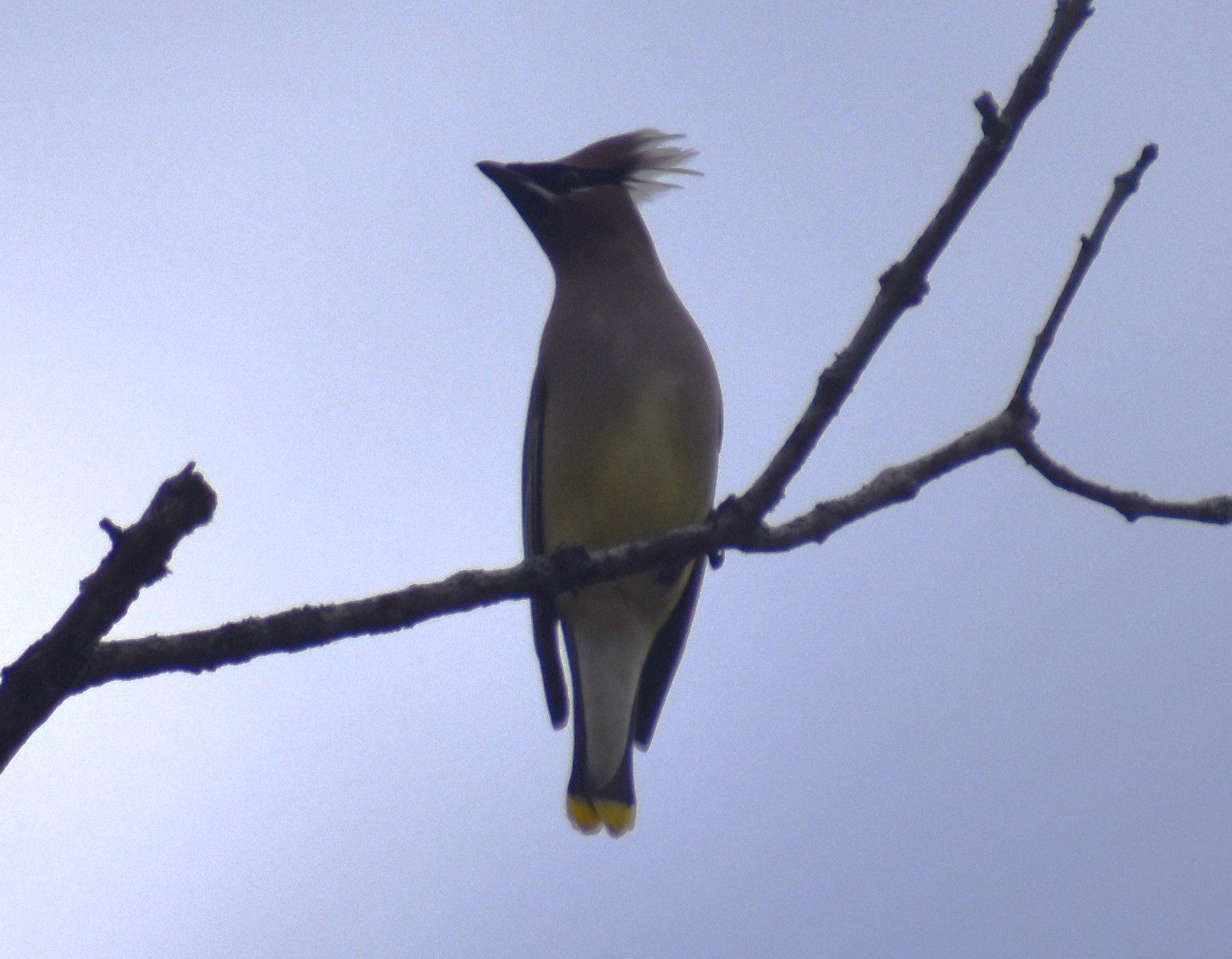
Cedar Waxwing
Myrtle (yellow-rumped) warbler
Northern Flicker
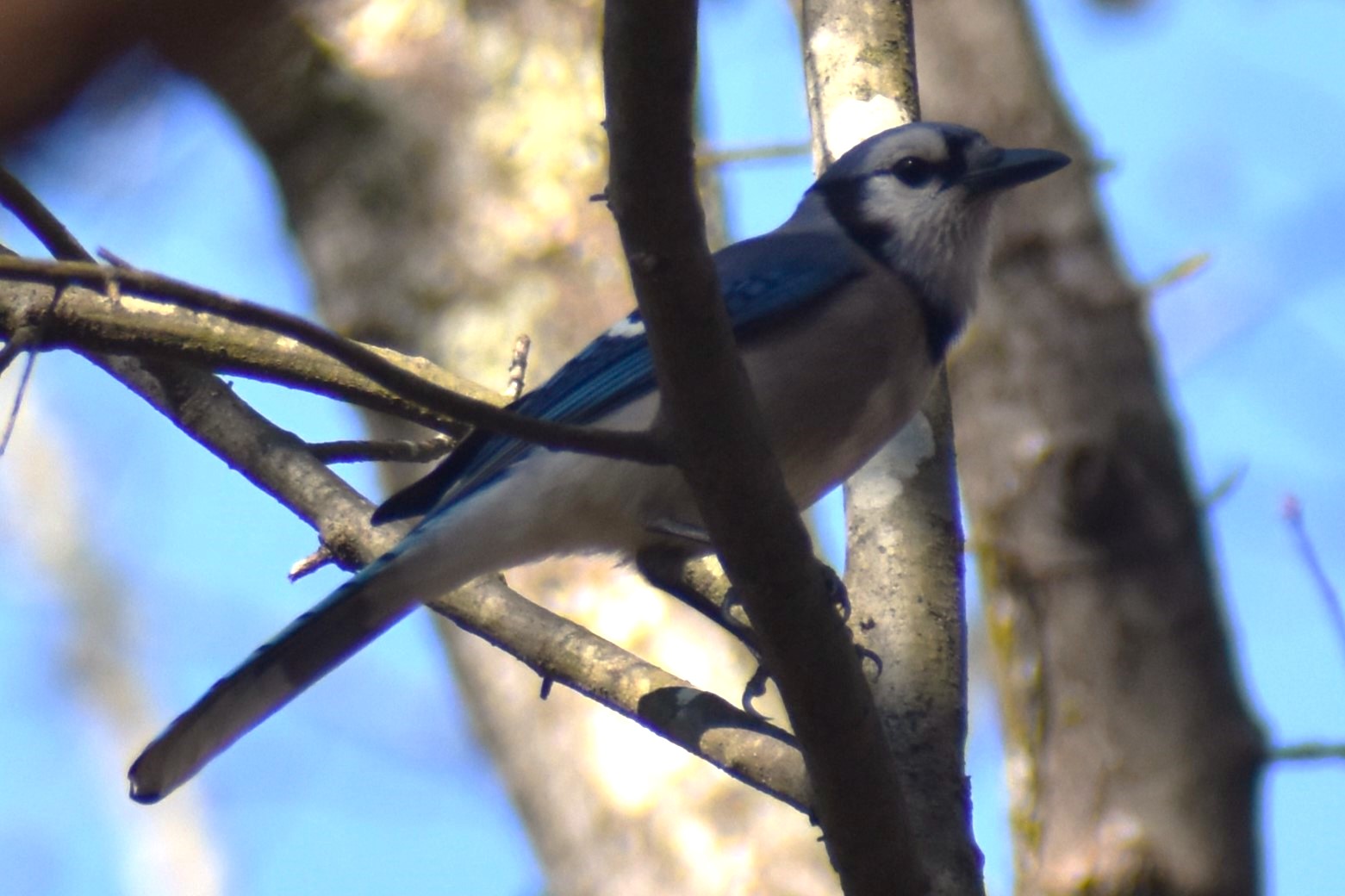
Blue Jay
Quote taken from Woman Watching: Louise de Kiriline Lawrence and the Songbirds of Pimisi Bay by Merilyn Simonds; ECW Press 2022