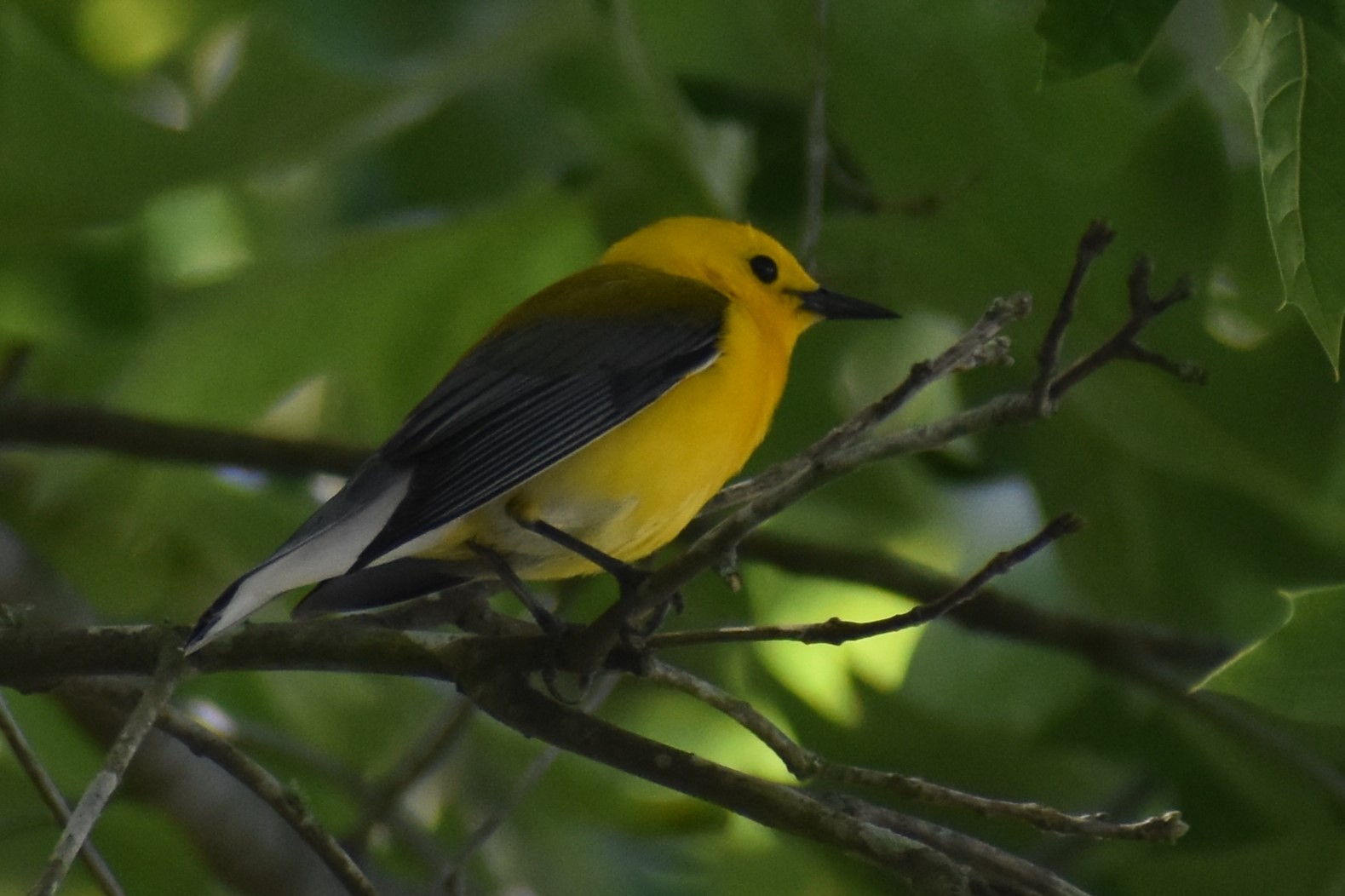
Prothonotary Warbler eating a juicy caterpillar for lunch!
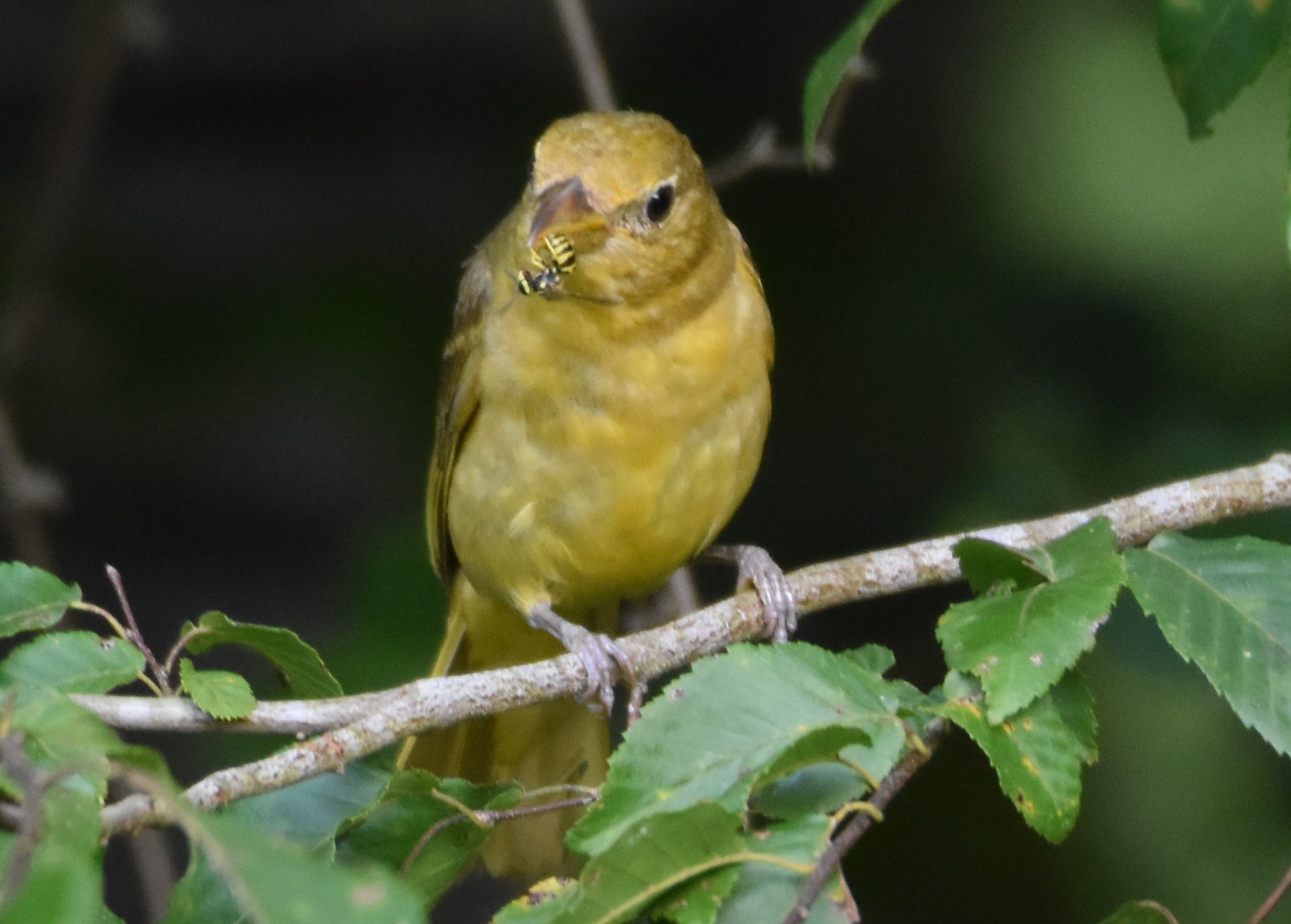
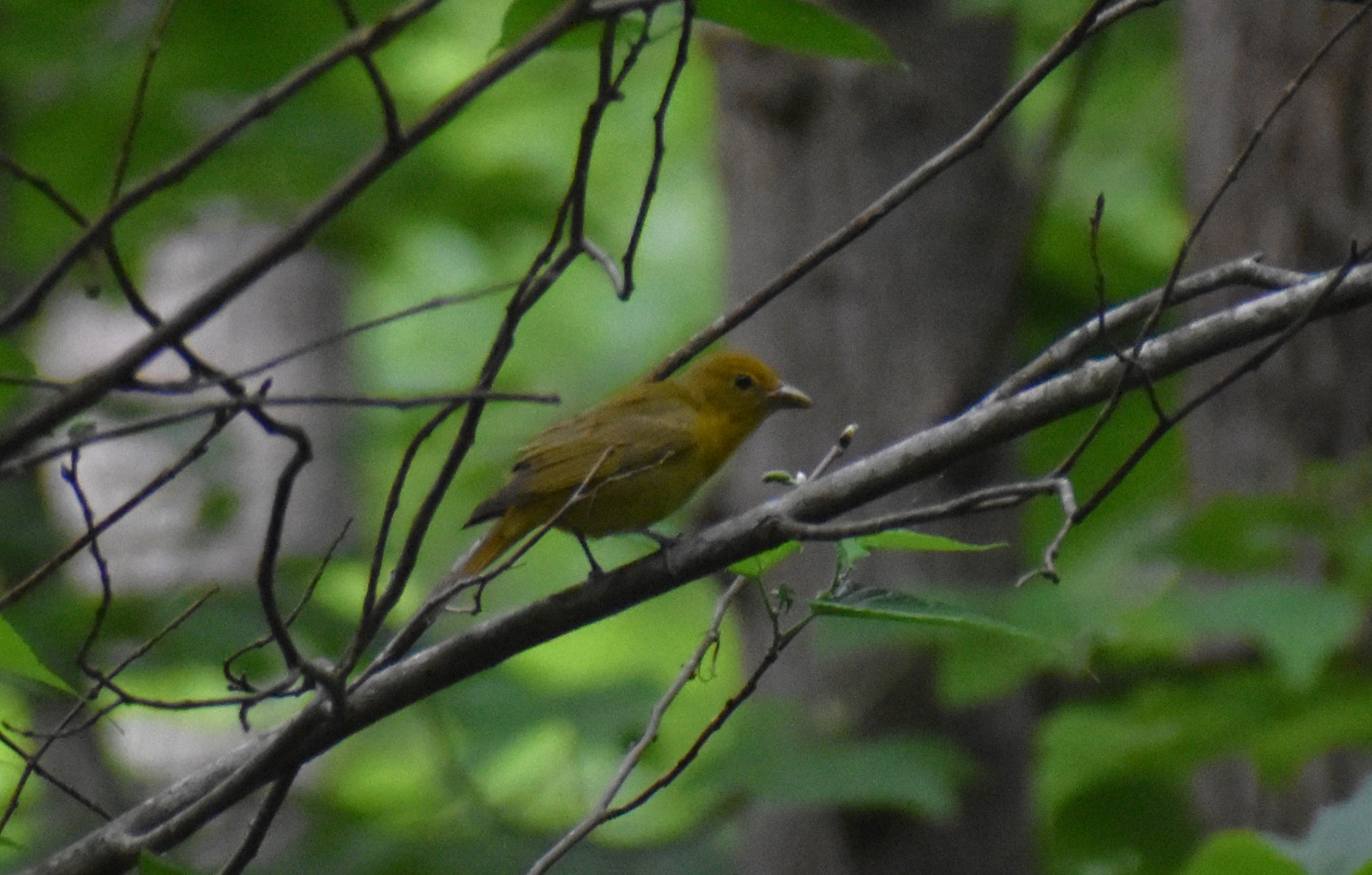
Summer Tanager (female) eating a bee.
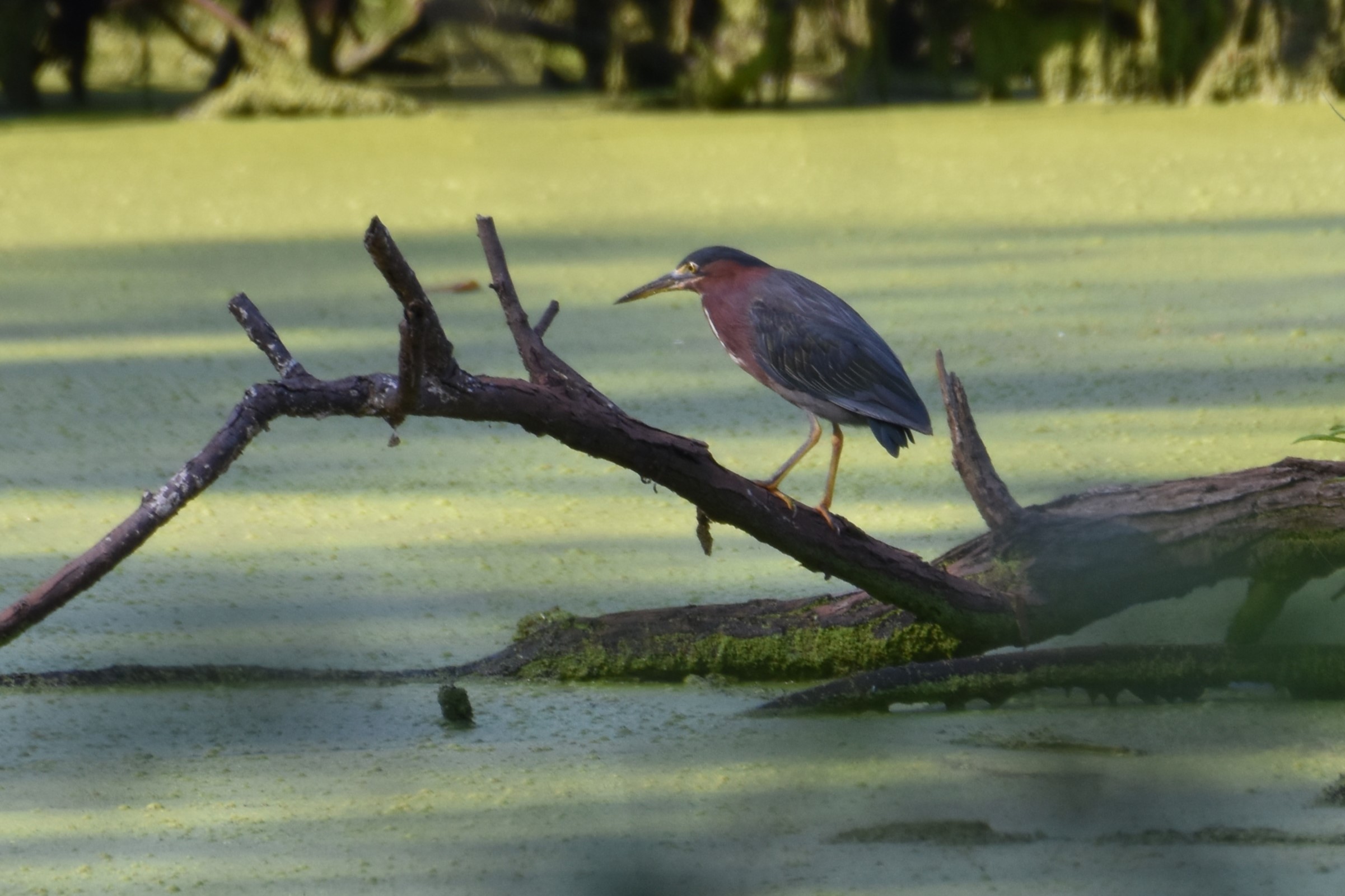
Green Heron looking for lunch.
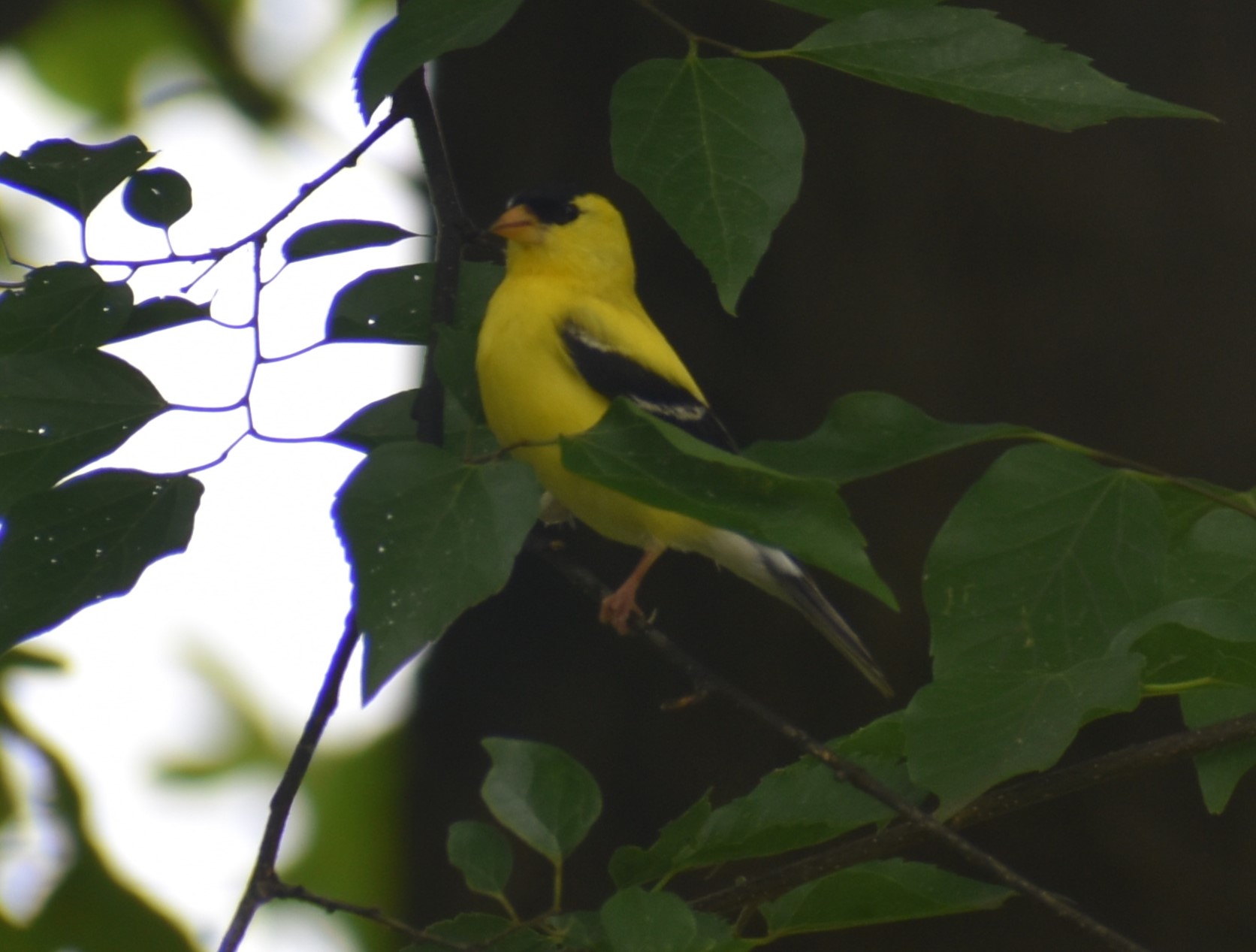
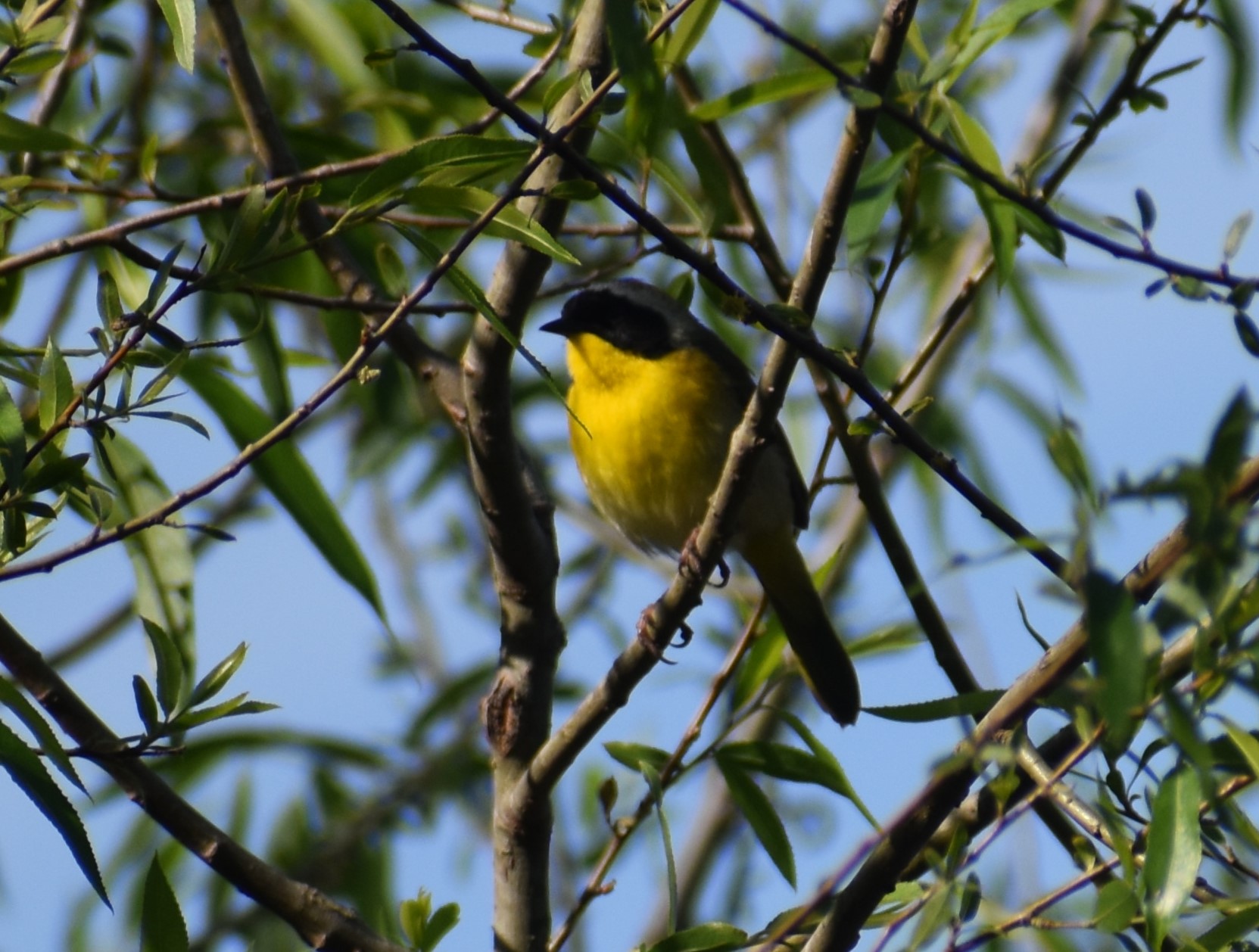
Common Yellowthroat
Indigo Bunting
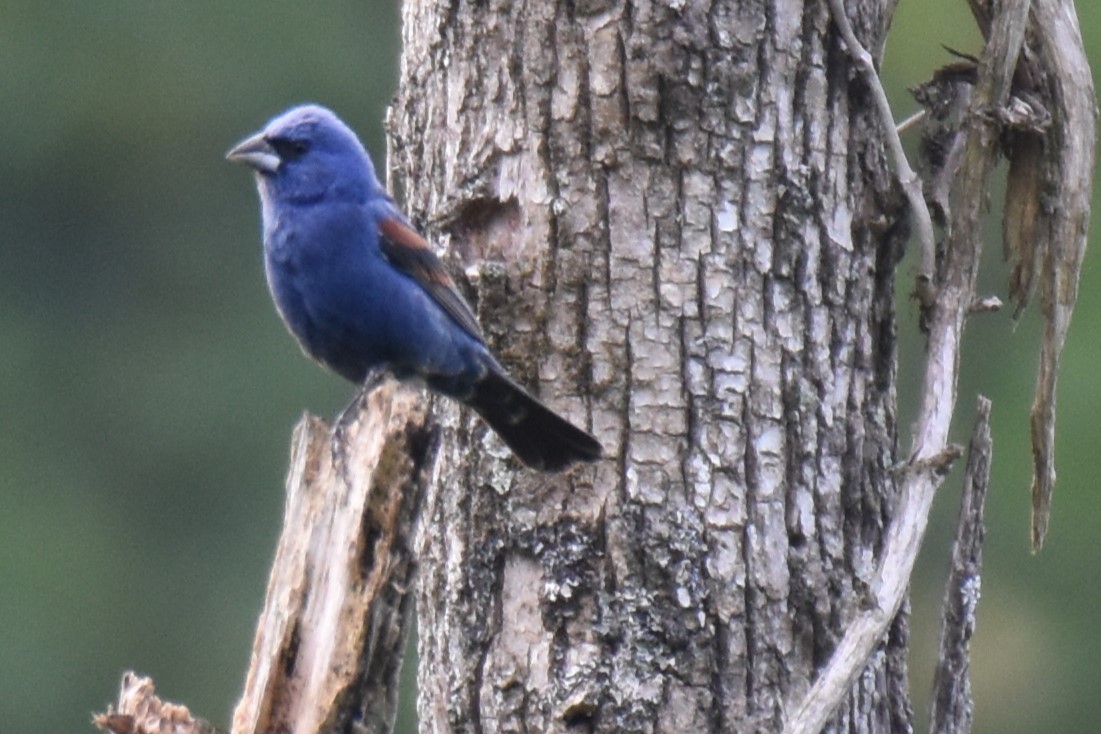
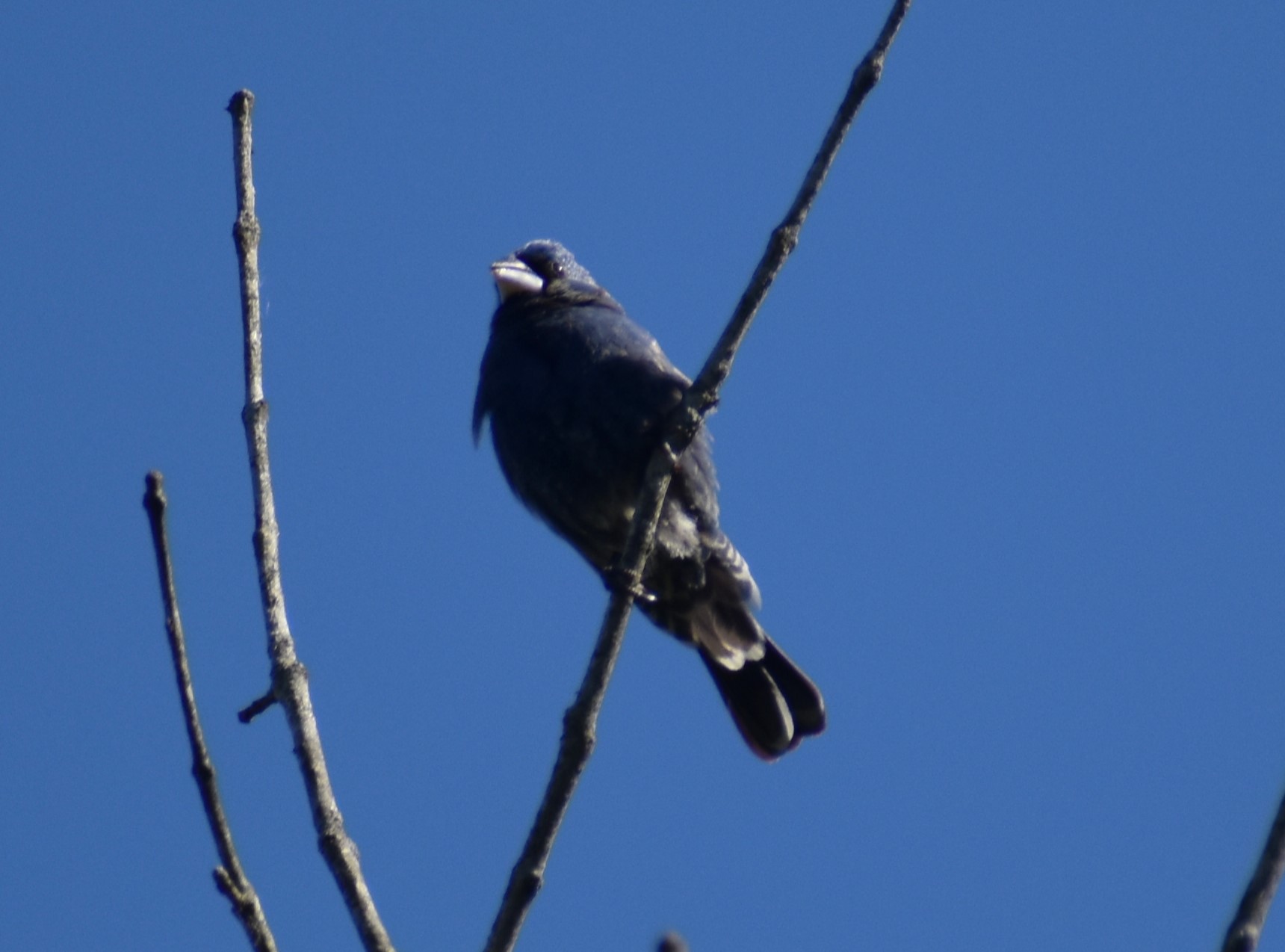
Blue Grosbeak (male)
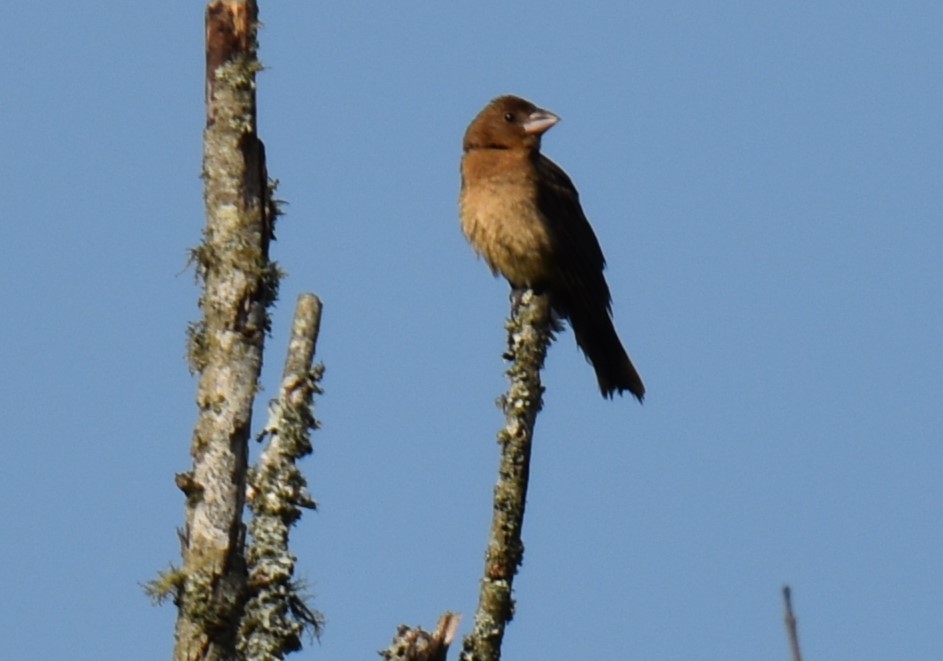
Blue Grosbeak (female)
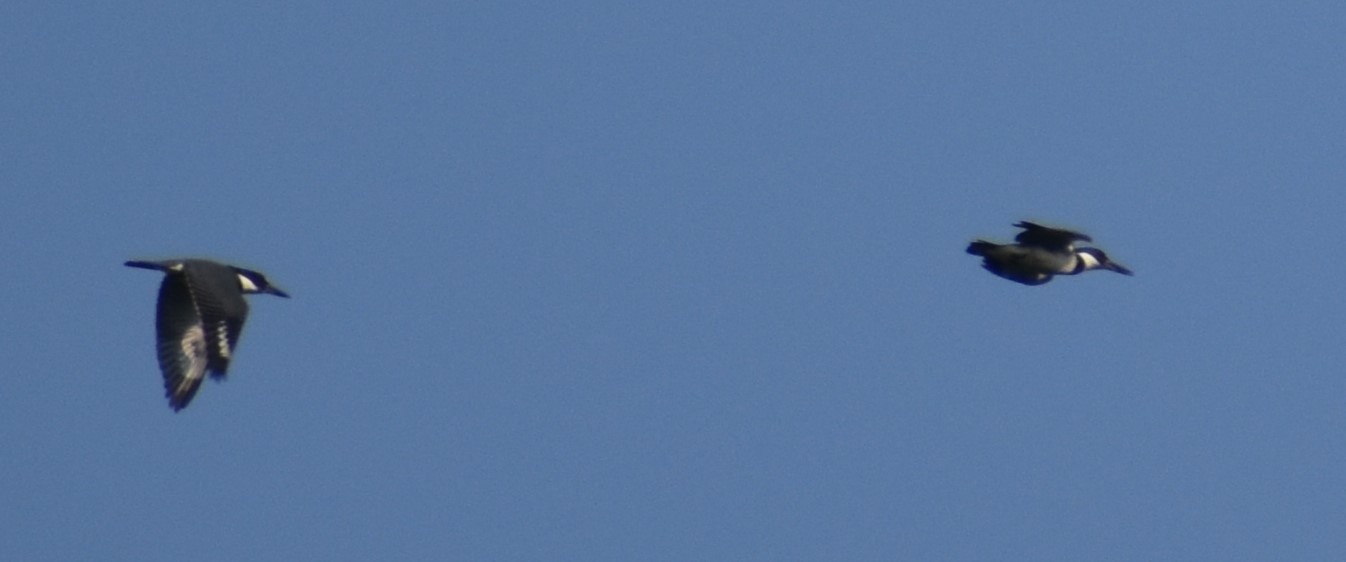
Belted Kingfishers (male above and female below)
Pileated Woodpecker (male)
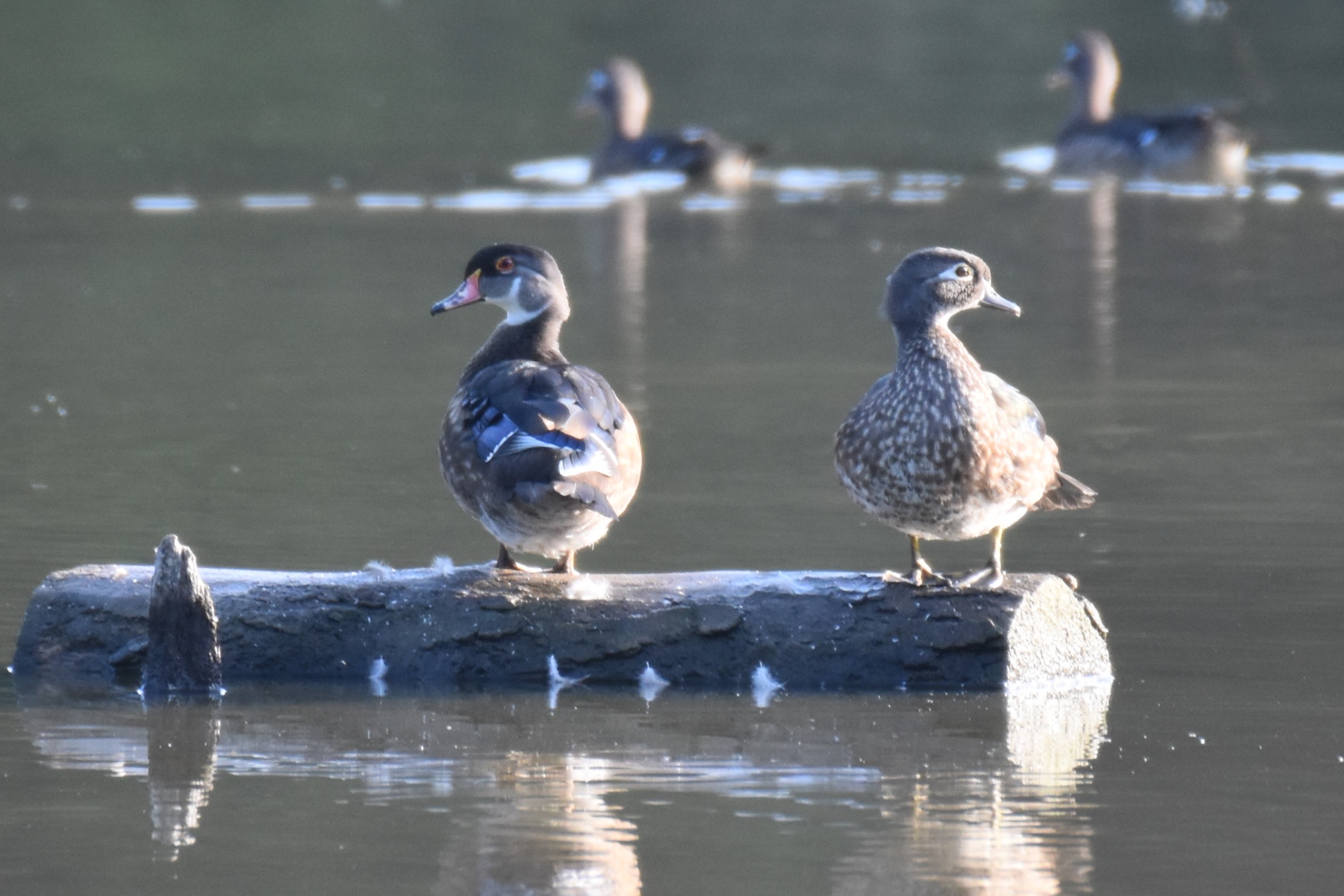
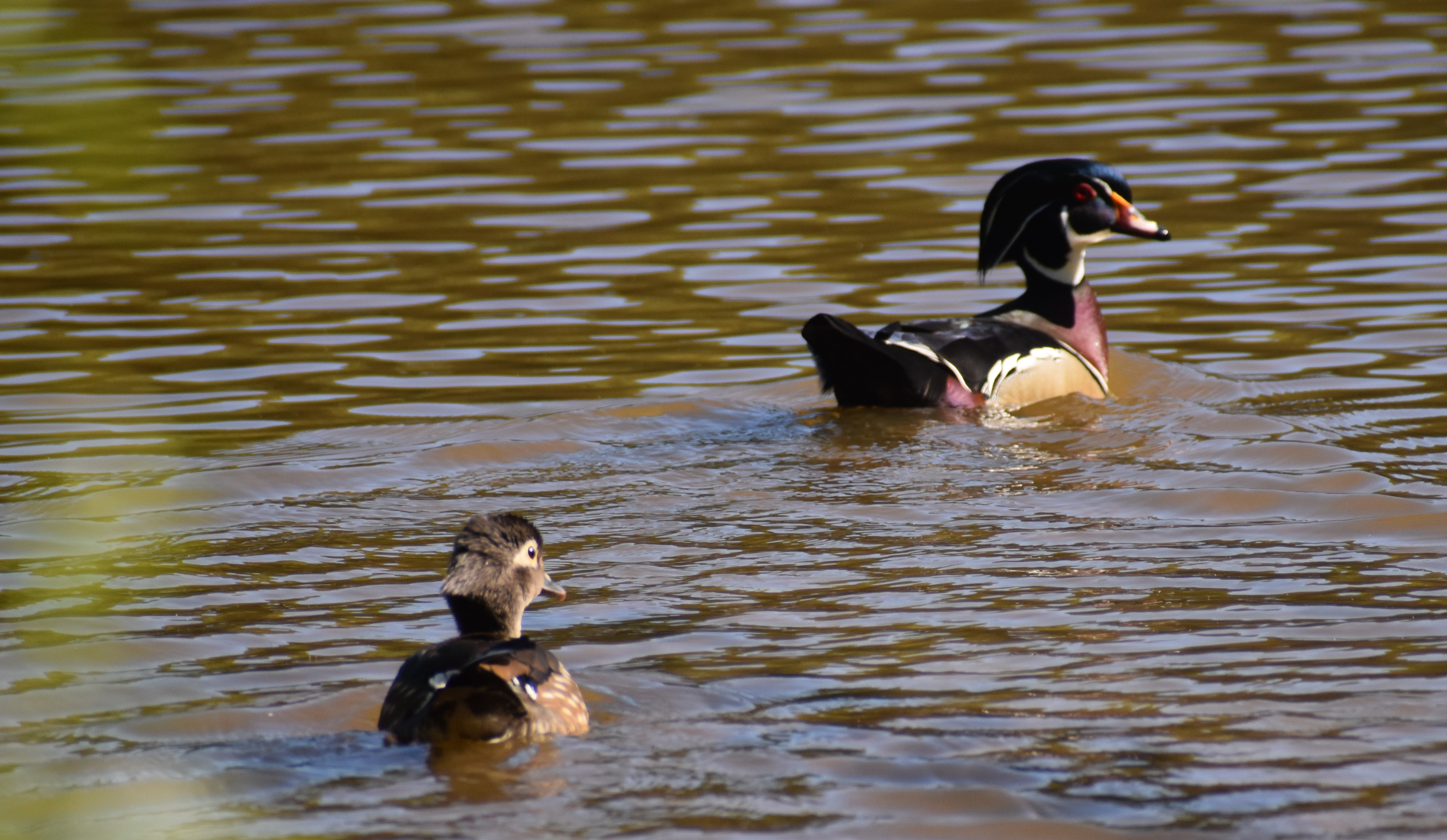
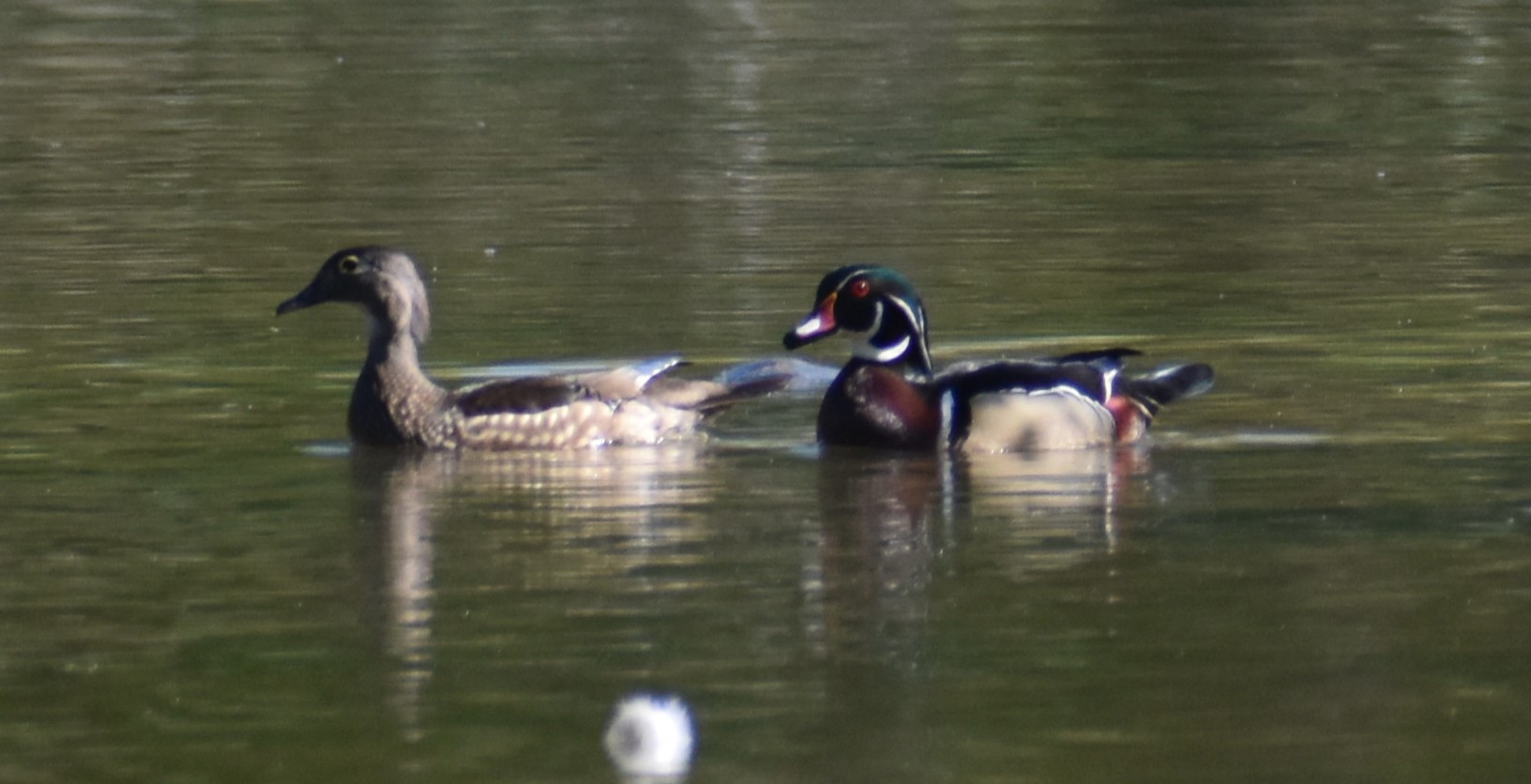
Young Wood Ducks. Male on Left and Female on Right.
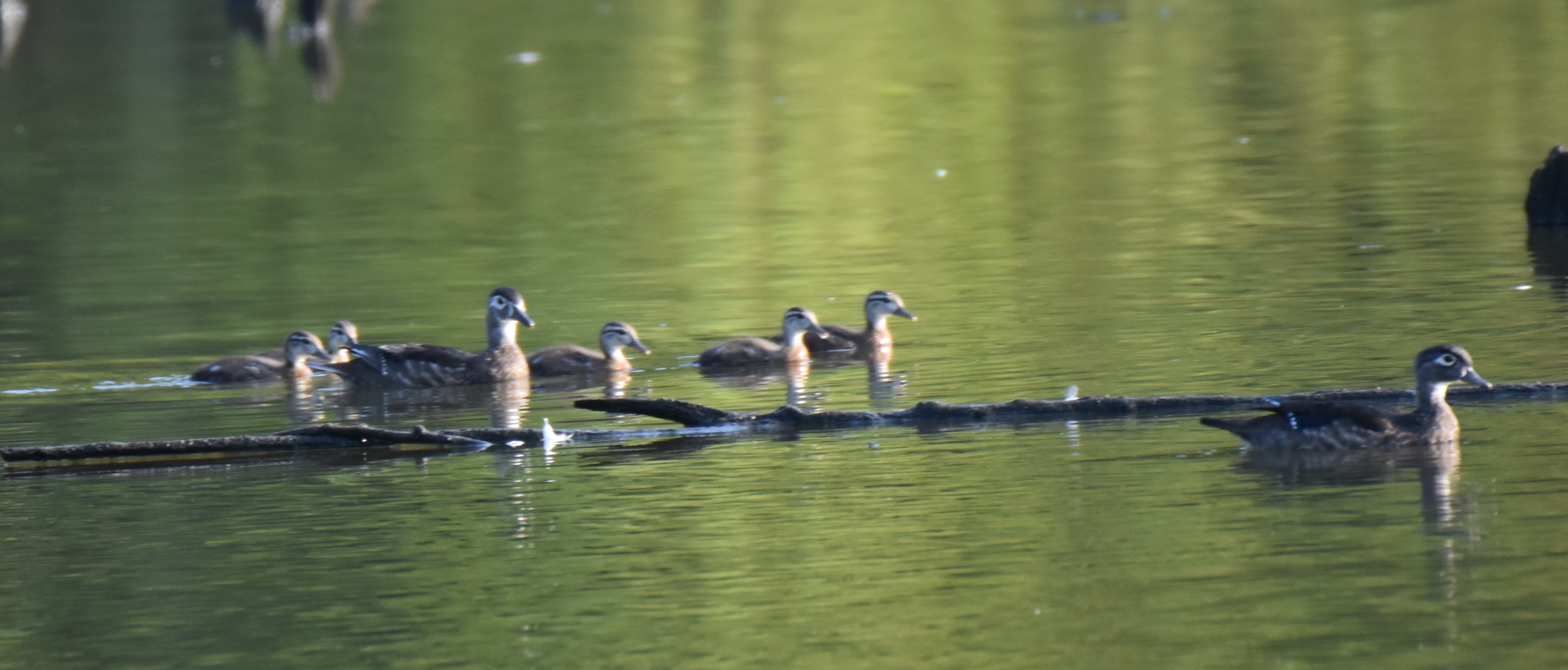
Mama Wood Ducks and offspring
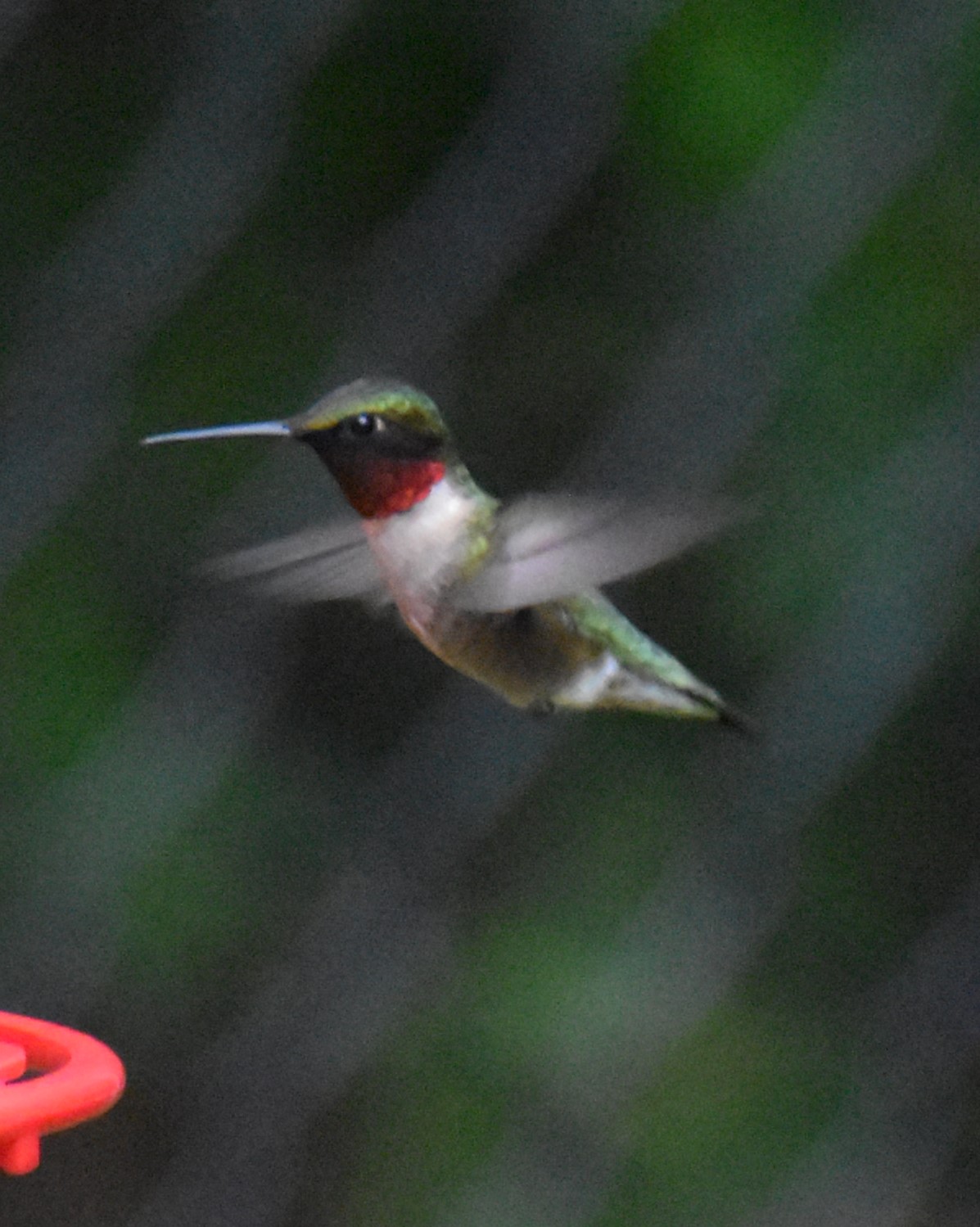
Juvenile male Ruby-throated Hummingbird (showing off his red)
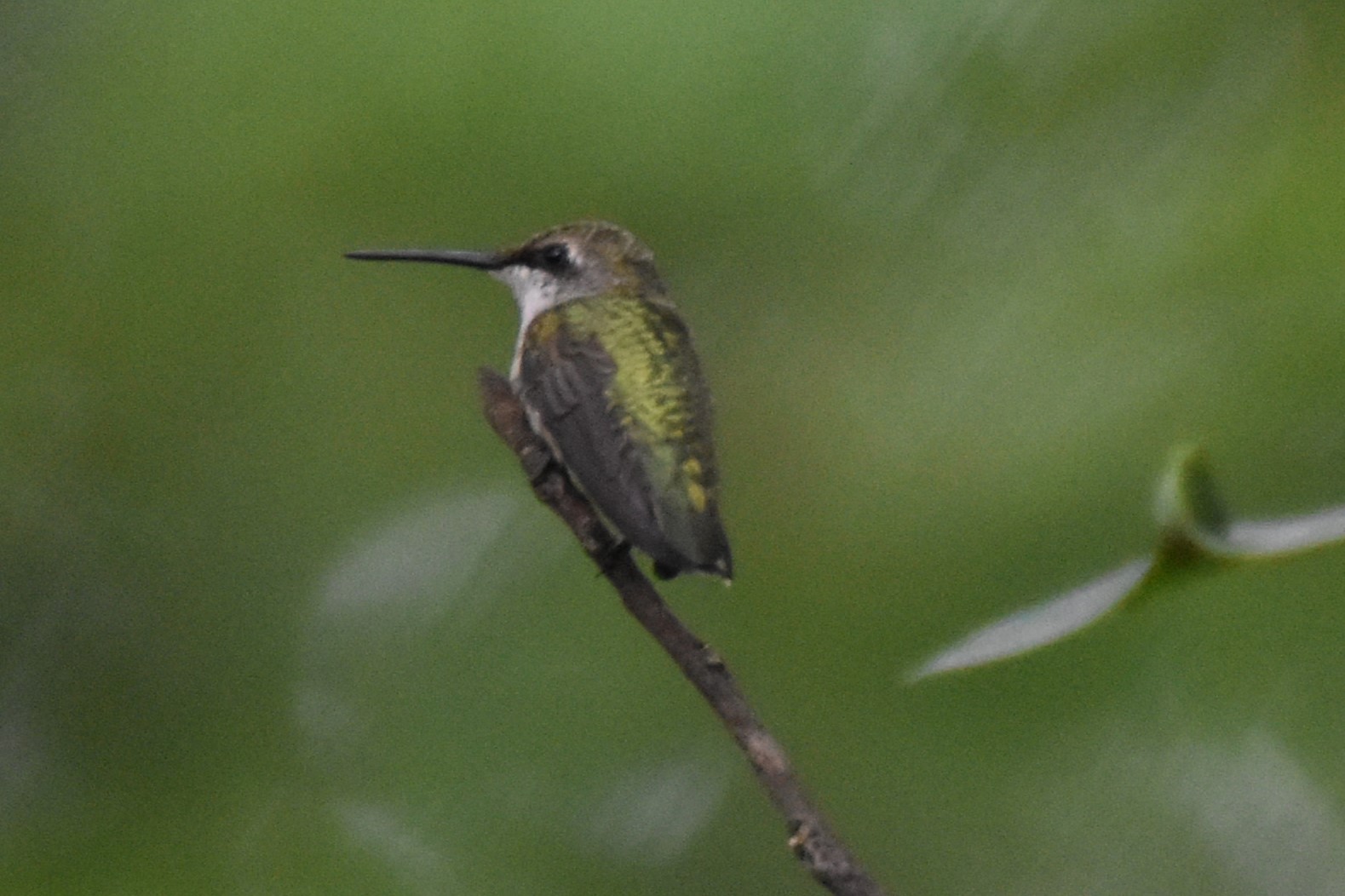
Ruby-throated Hummingbird (female)
Eastern Kingbird
“At whatever moment you read these words, day or night, there are birds aloft in the skies of the Western Hemisphere, migrating.” Scott Weidensaul in Living on the Wind Across the Hemisphere with Migratory Birds
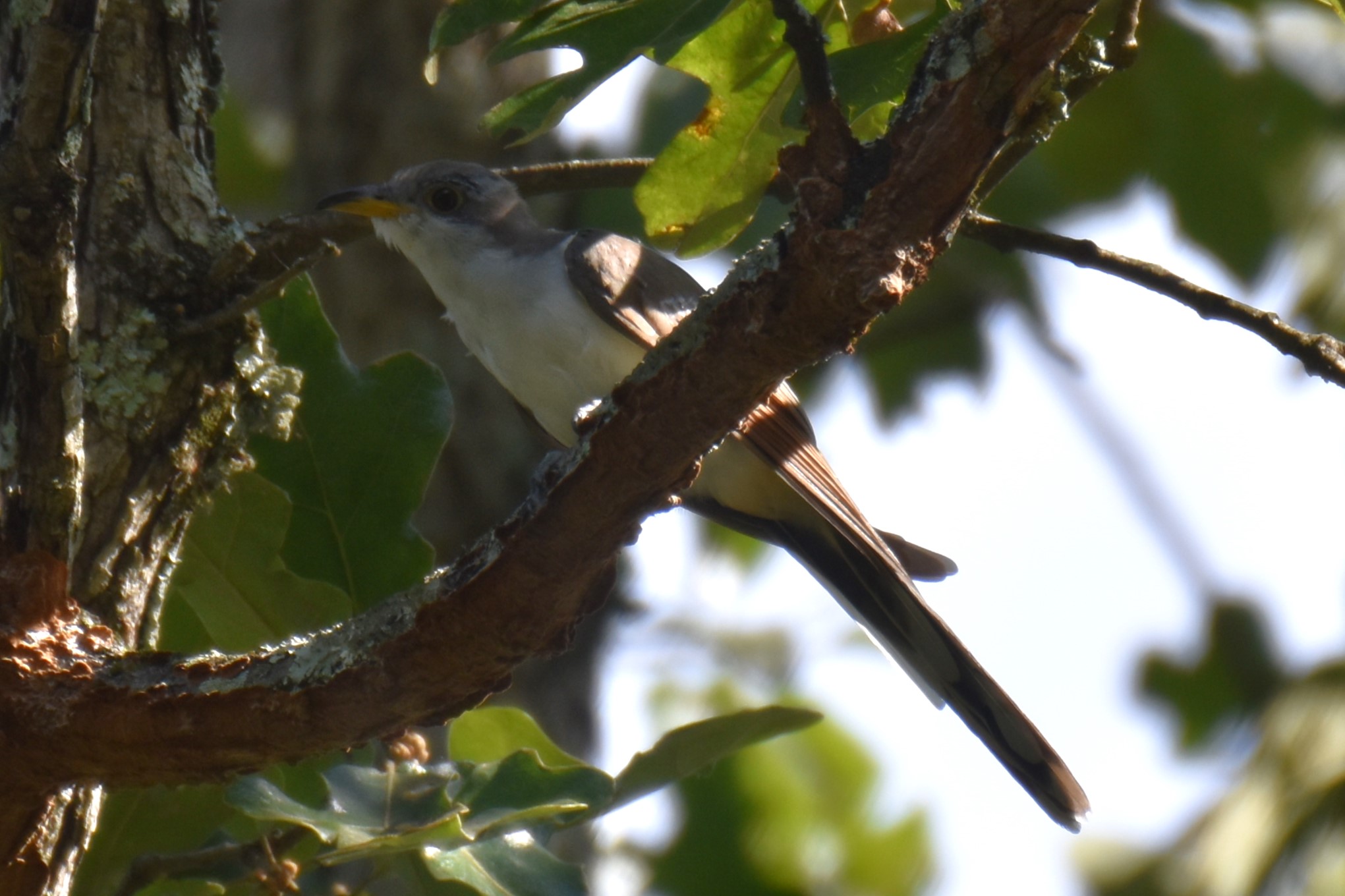
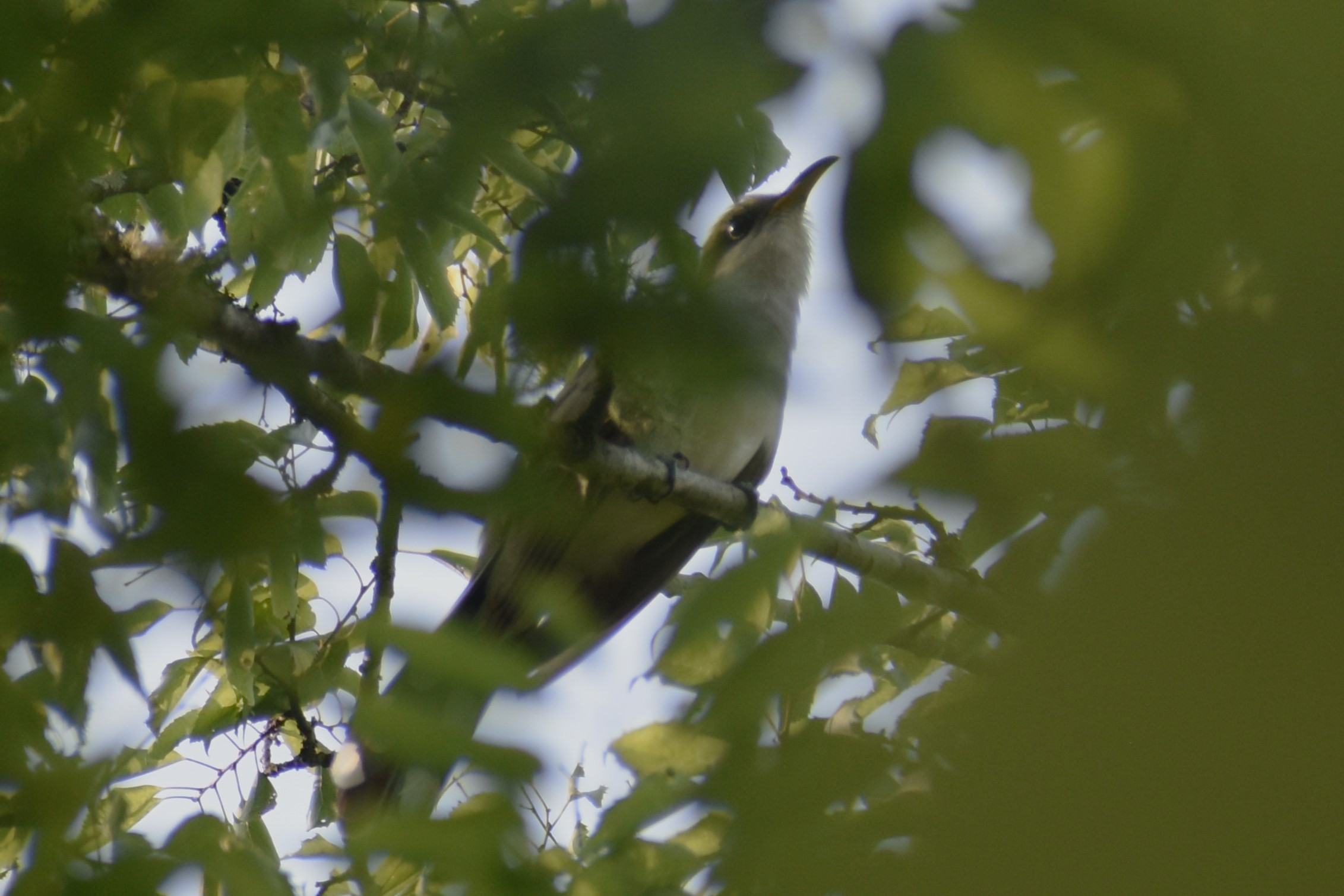
Yellow-billed Cuckoo. I have heard this bird several times at different parks, but didn’t have much hope in seeing it. They stay high in the trees, so I was delighted when this one had his lunch in a tree low enough where I could watch him. These cuckoos come to the Carolinas in April for breeding and stay through October. They spend their winters in South America.
Eastern Kingbird. These birds are part of the group known as the flycatchers. They can be seen around different bodies of water, and they also come to the Carolinas in April and leave in October; making their winter home in South America.
Mourning Doves. These doves don’t migrate. I have them in my yard all year round. I recently ran across an article titled “How to Attract Mourning Doves to Your Yard”. I felt no need to read it.
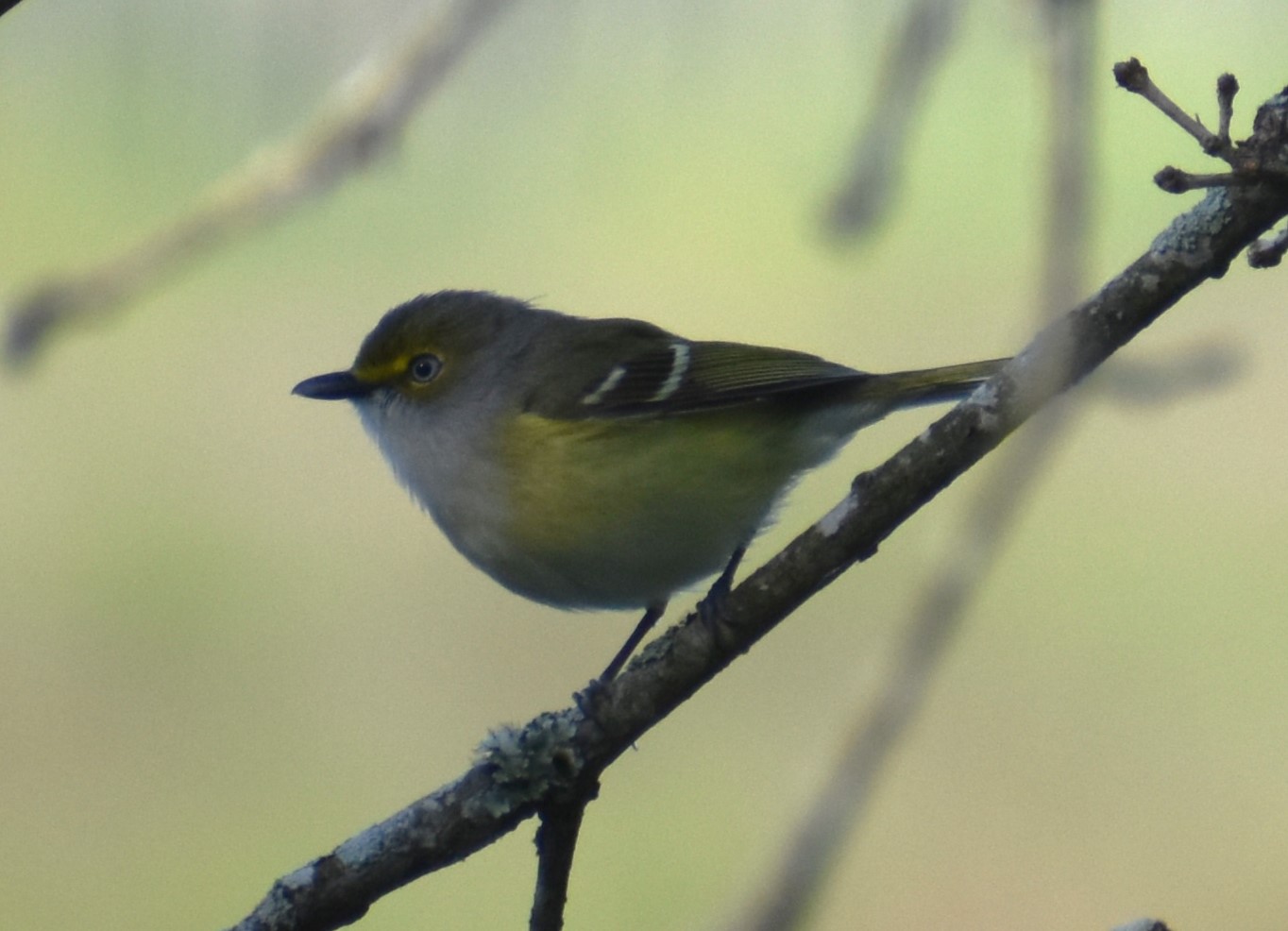
White-eyed Vireo. This vireo is fairly common in the Carolinas and you will usually hear them even if you never see them. I had walked past a heavy thicket, ready to go home when I heard this one singing. Fortunately, he decided to make an appearance and I was able to get several shots. The white-eyed vireos winter along the Southern coast of the U.S. as well as the coasts of Mexico, the Caribbean, and Central America.
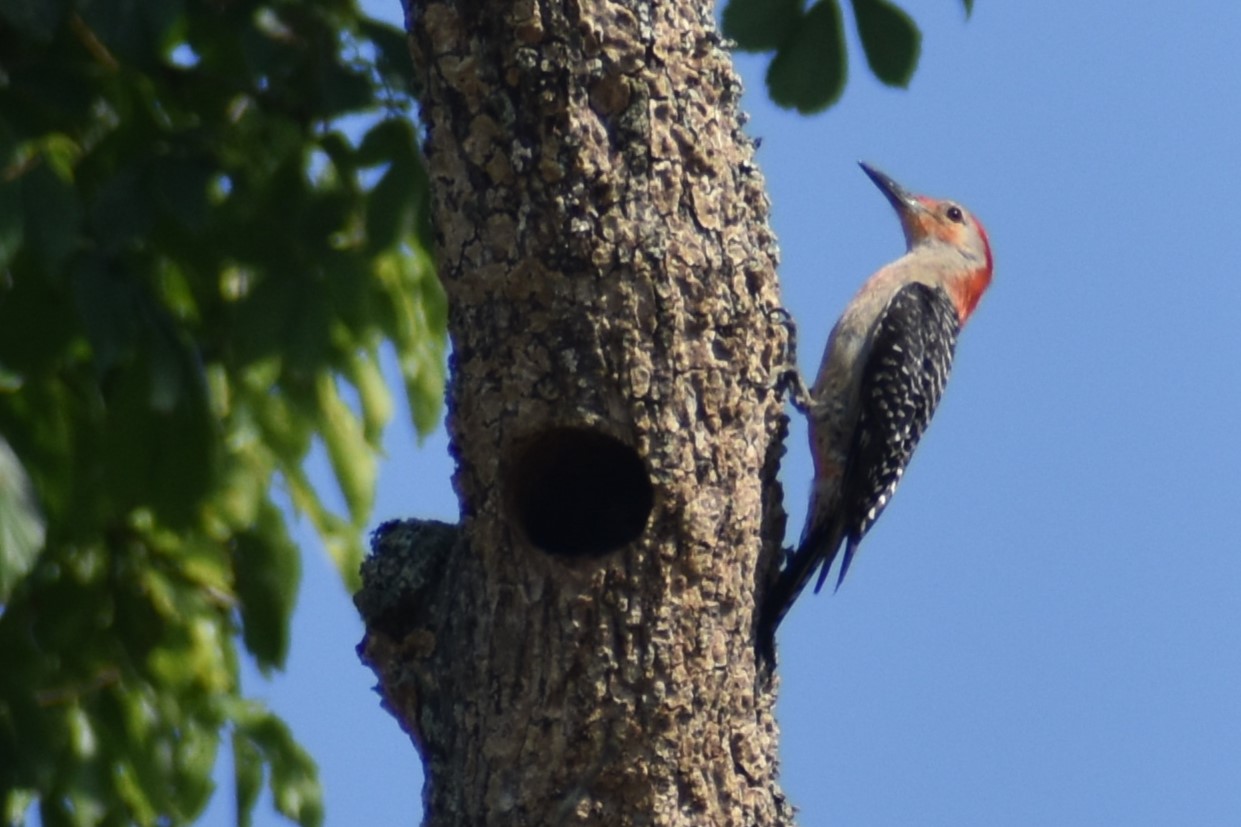
Red-Bellied Woodpecker. This woodpecker lives here year round. They don’t come to my feeders as often as the downy woodpeckers, but they do show up and often bring their young to show them where the snack bar is located.
Ruby-Throated Hummingbird, male fledgling. A male fledgling is the best (probably the only way for me) way I can know for sure that the hummingbirds have had their babies; if not in my yard, then close by. These young males are just starting to flex their red throats, but by next year will look the one below.
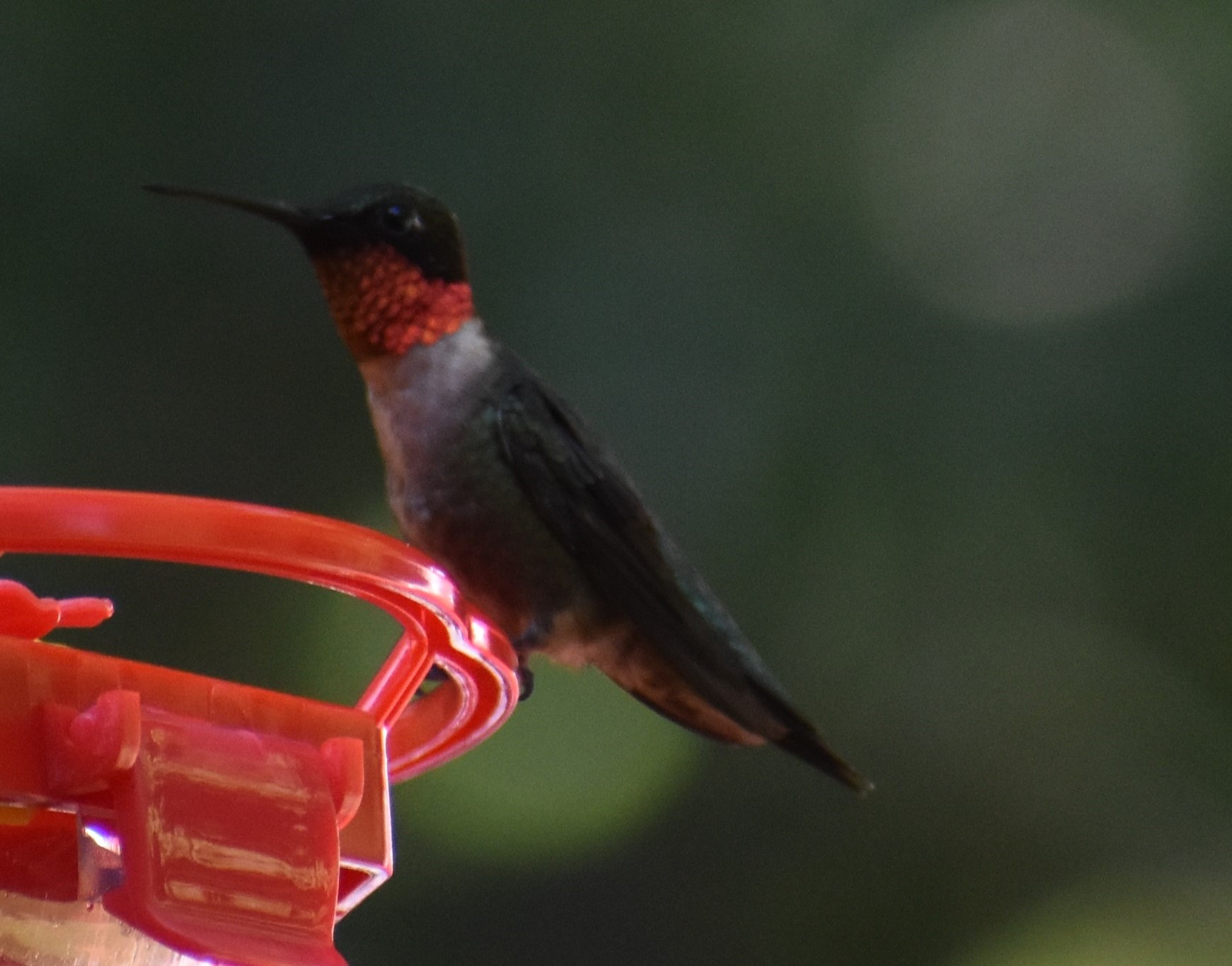
Ruby-throated Hummingbird, adult male. Ruby-throated hummingbirds are the only hummingbird that comes to breed in the eastern part of the U.S. The males are the first to arrive in April. They leave in October to cross the Gulf of Mexico to spend their winters in Mexico.
House Finch–parent and fledgling. The House Finch, though they only came to the Carolinas in the 1960’s, are quite common and can strip a cylinder of sunflower seeds in record time. I had noticed they seemed noisier than usual lately, and when I saw these two, I understood. I’ve been hearing the fledglings (for the most part). They’re in the trees and the feeders and chirp their heads off until a parent finally feeds them.
“Few forms of life appeal so strongly to the aesthetic sense. They are beautiful; they arouse curiousity; their elusiveness piques the imagination; and by constantly presenting new aspects they escape becoming commonplace.” Percy Taverner (Canadian ornithologist) in a letter written to Louise de Kiriline Lawrence.
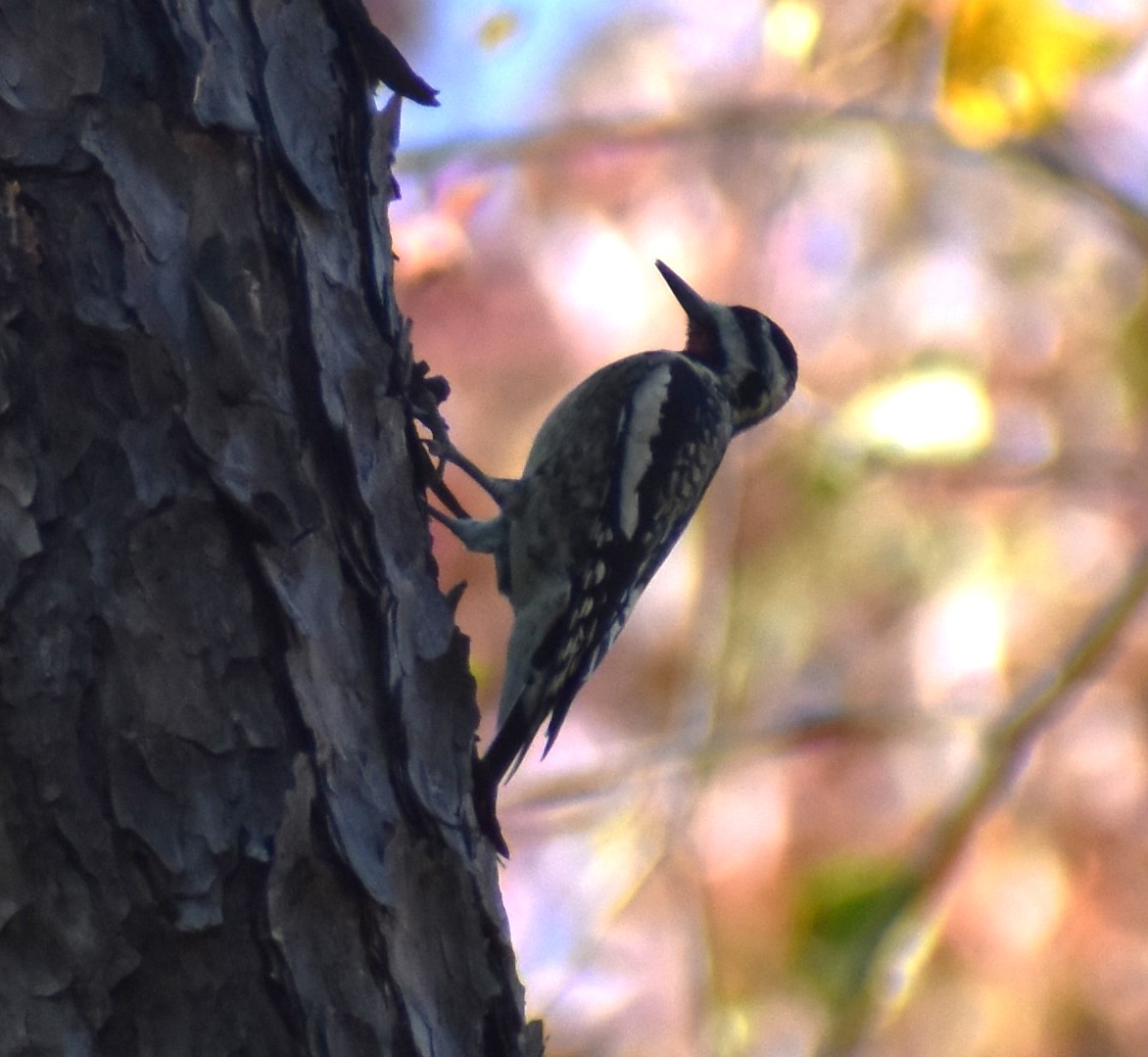
Yellow-bellied Sapsucker
White-breasted Nuthatch
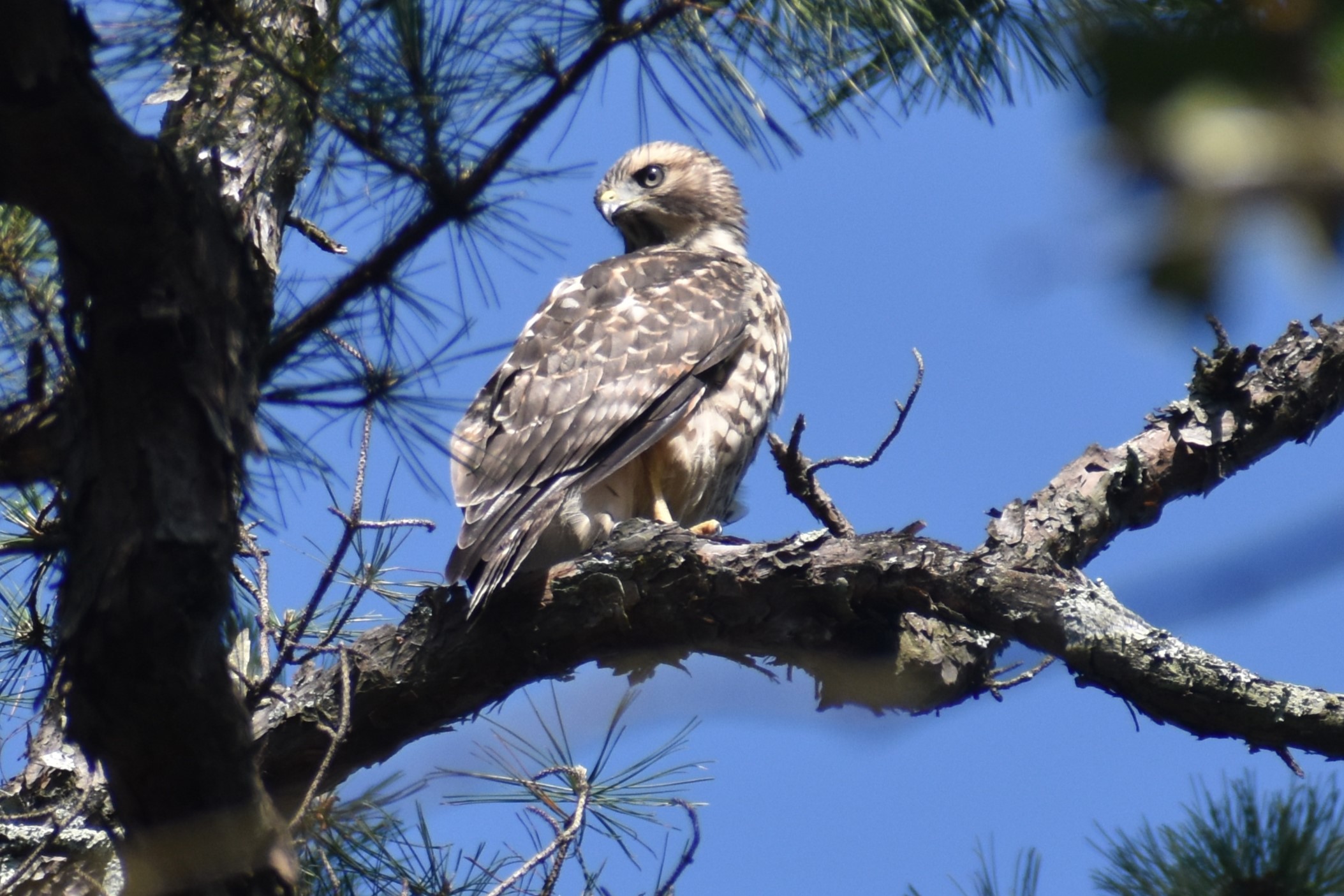
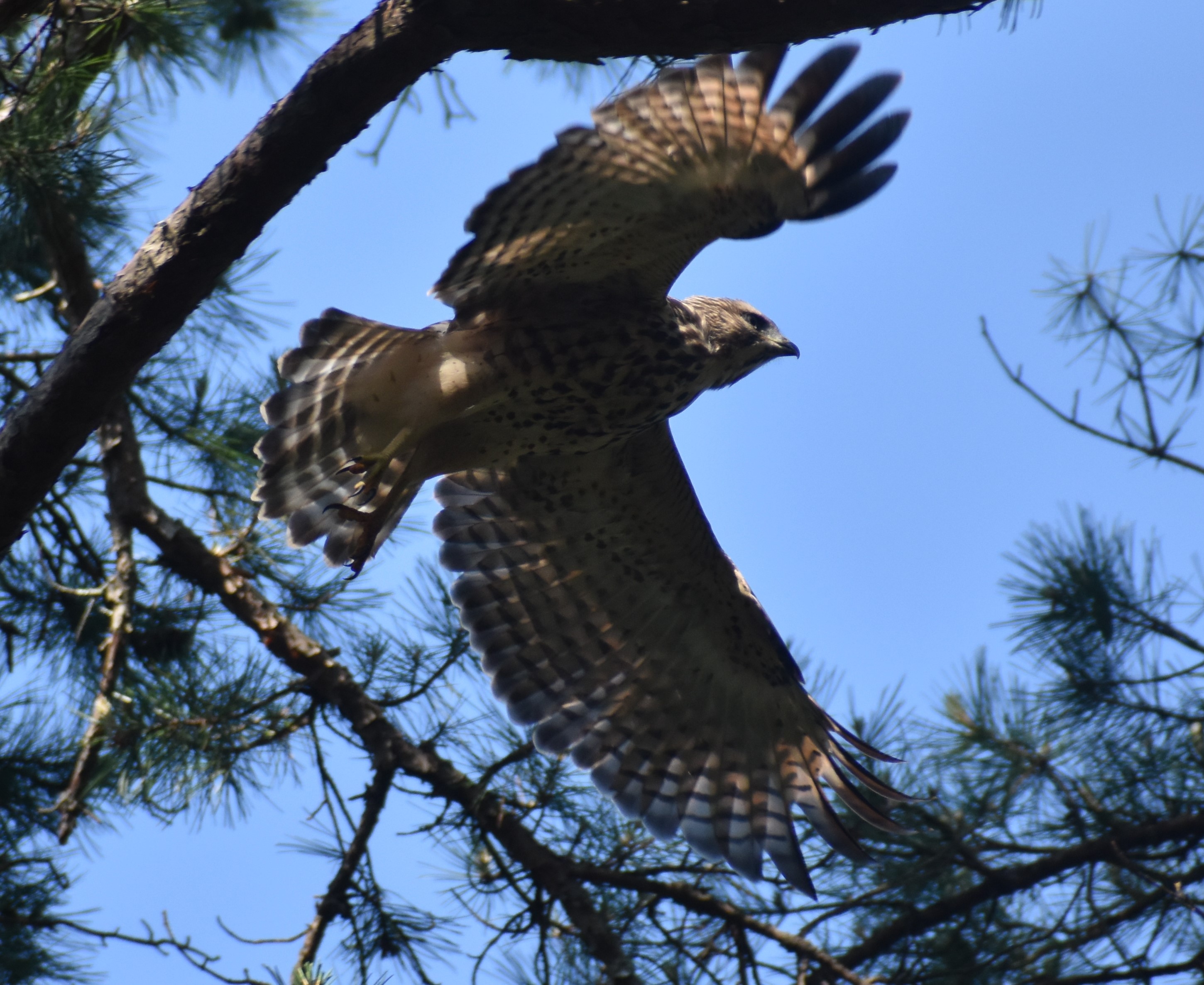
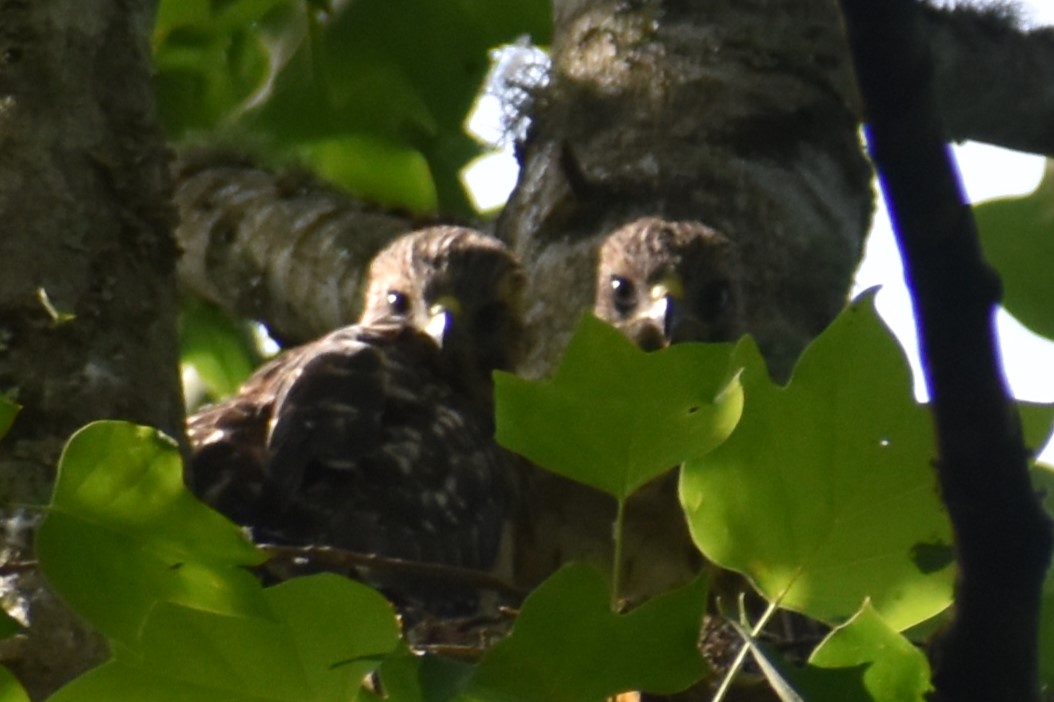
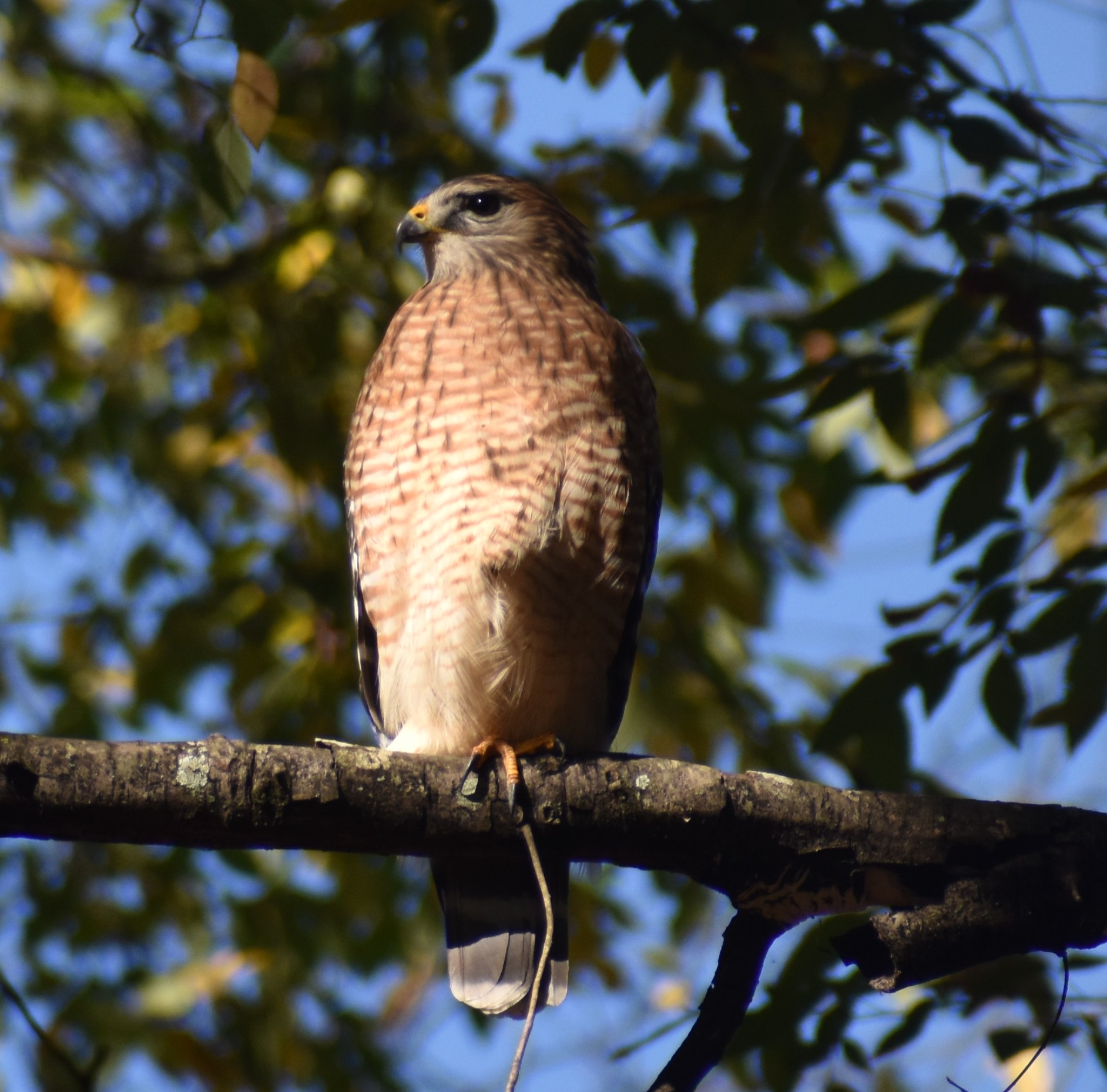
Red-shouldered Hawk
Hermit Thrush
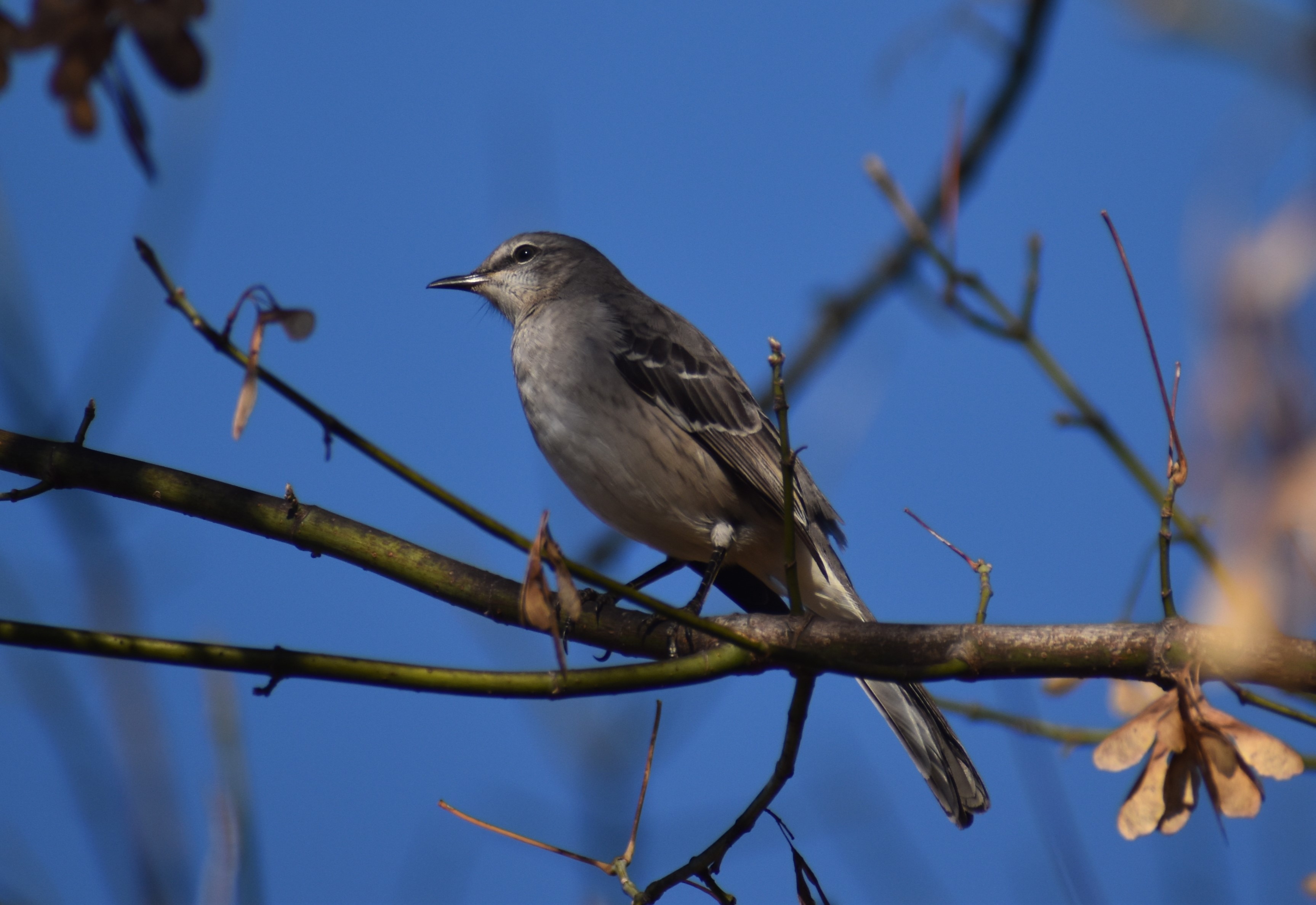
Northern Mockingbird
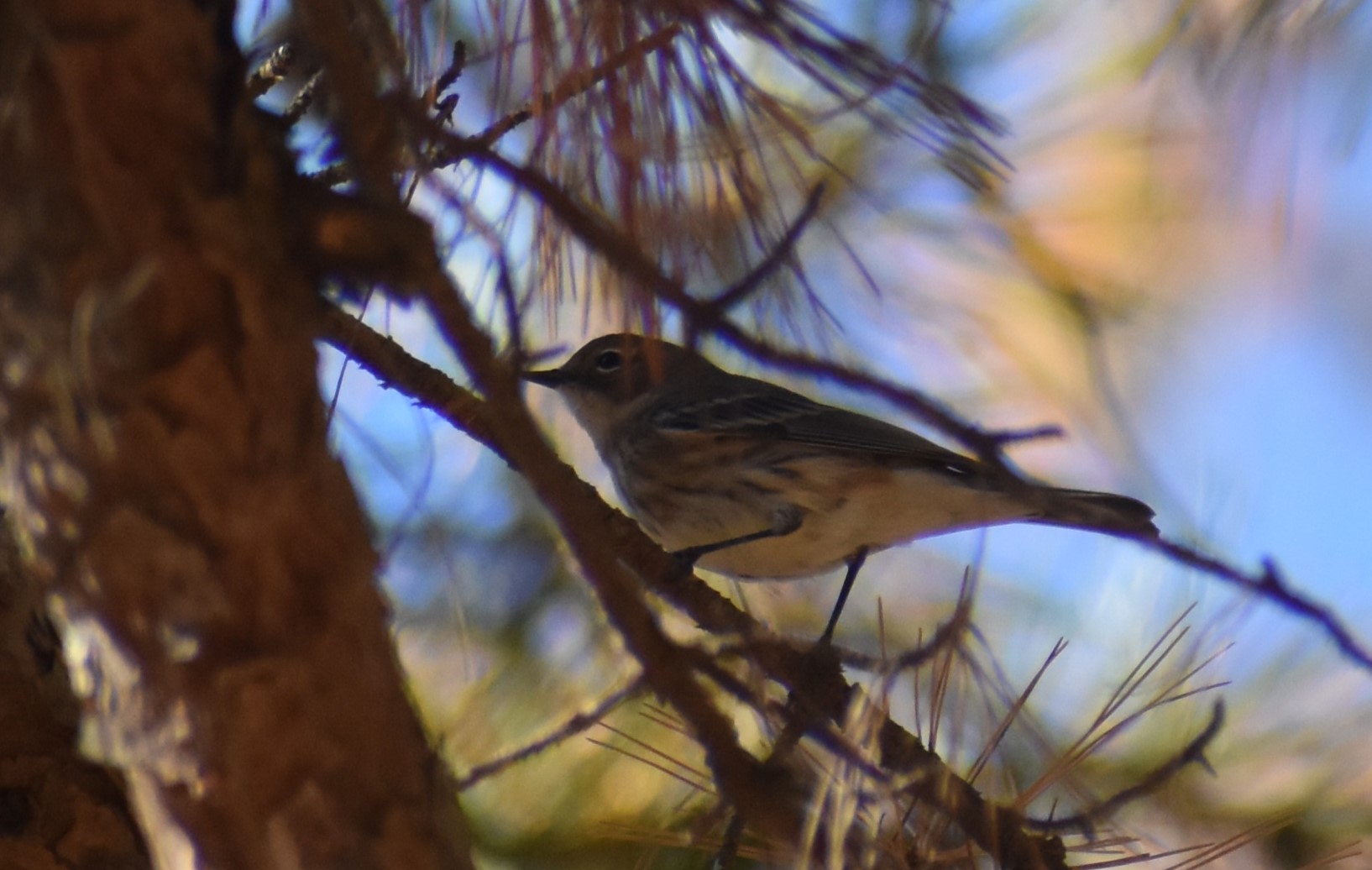
Myrtle Warbler
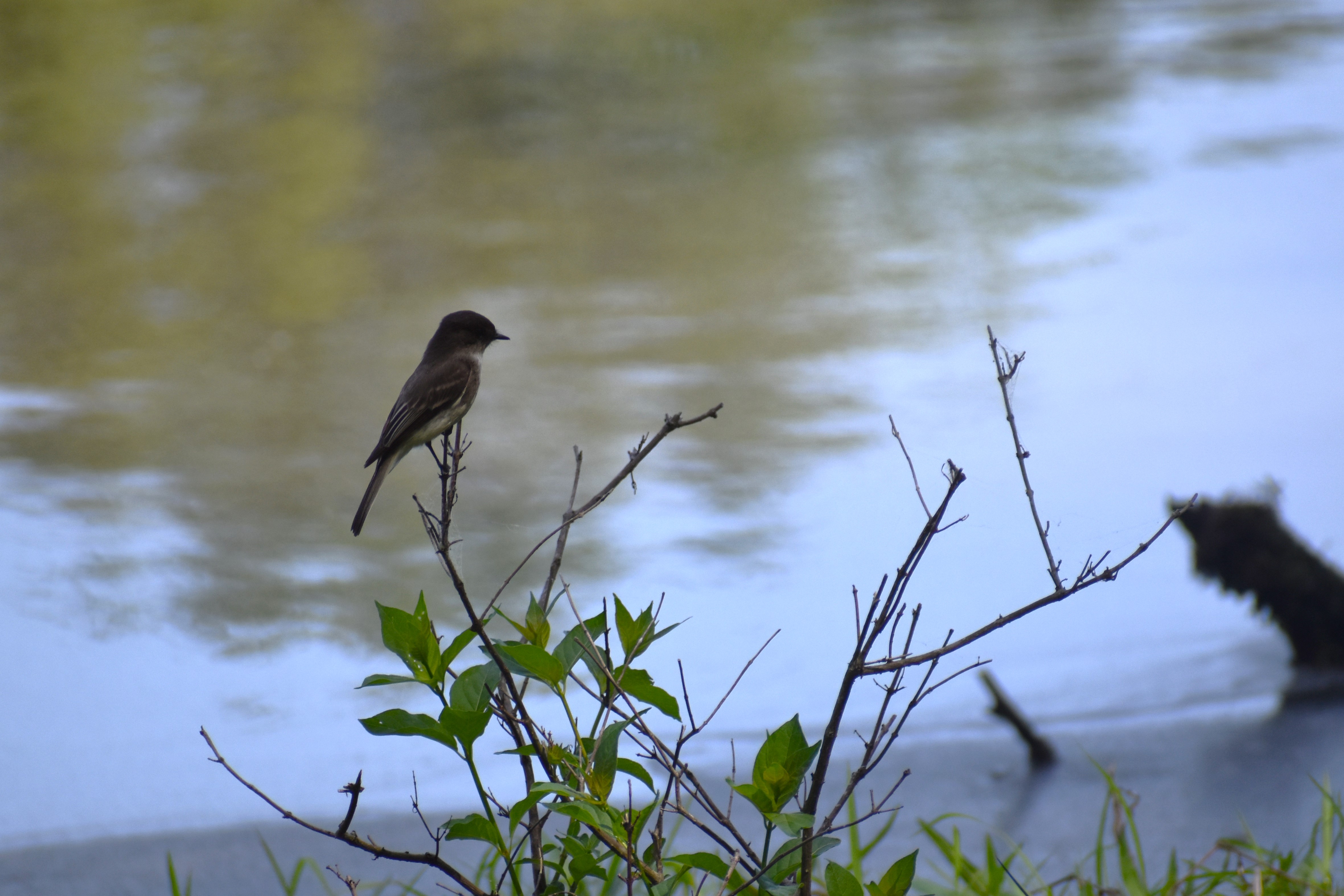
Eastern Phoebe
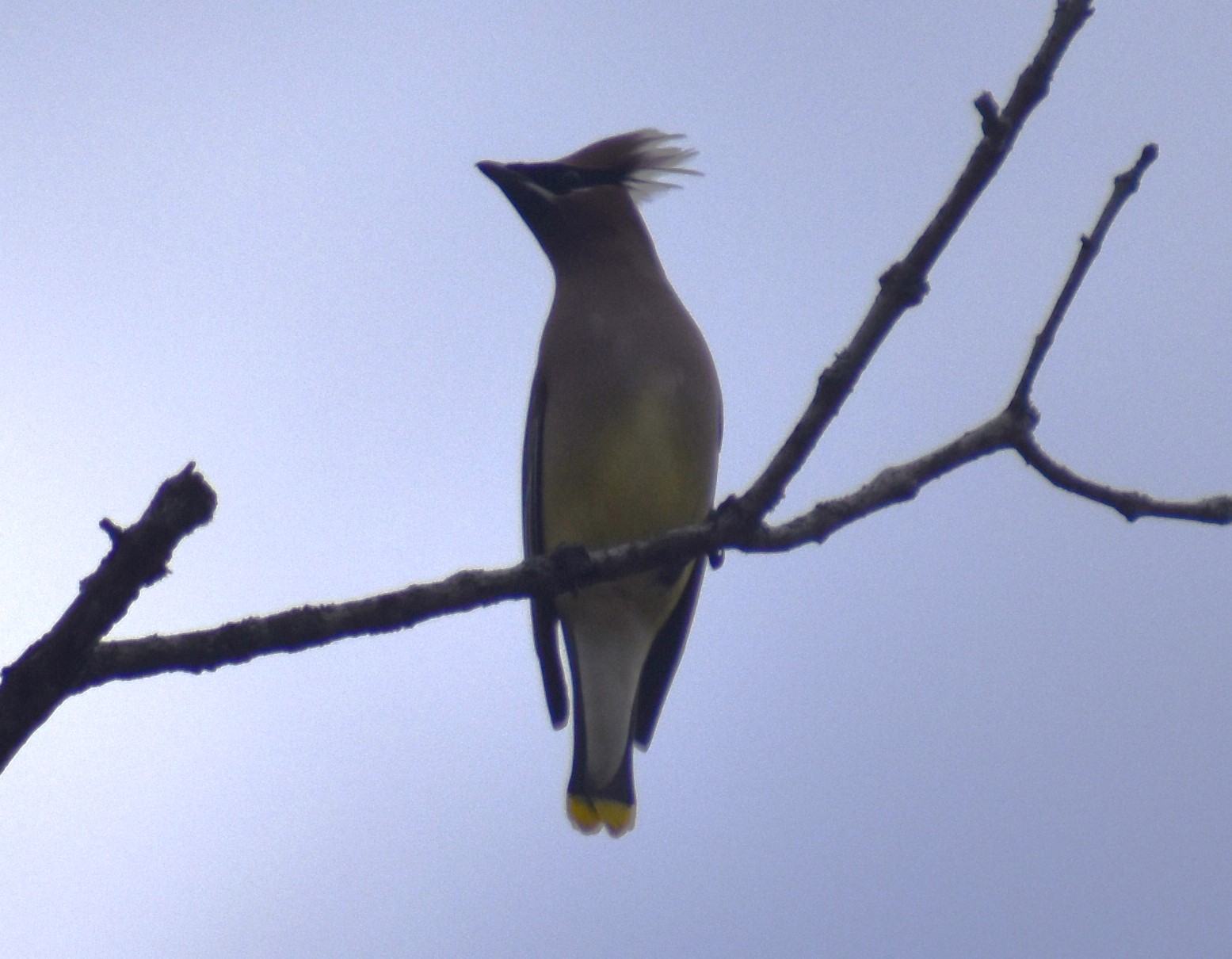
Cedar Waxwing
Myrtle (yellow-rumped) warbler
Northern Flicker
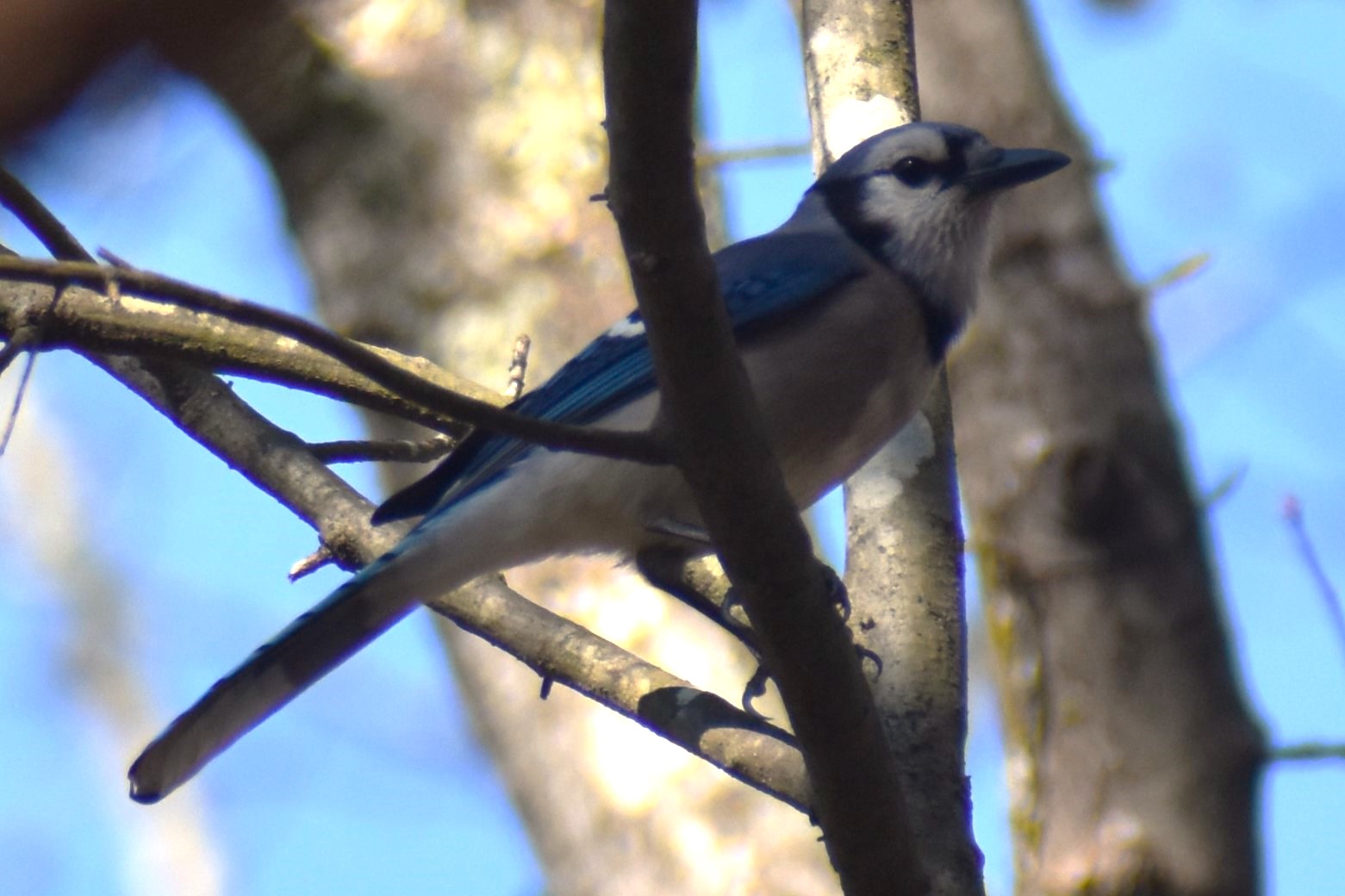
Blue Jay
Quote taken from Woman Watching: Louise de Kiriline Lawrence and the Songbirds of Pimisi Bay by Merilyn Simonds; ECW Press 2022
So many good pictures this month, I finally decided to post in more than one part. These pictures serve as a personal journal for me since I have been very unorganized with keeping up with my pictures. Blogging on a regular basis helps me to remember which birds I saw in different parts of the year as I learn more about birds–how to identify them and their habits.
Fall is a fun time of year to look for birds (I’ll probably say that every season) as many are migrating. Trying to sort out the different warblers has been a challenge, but a fun one. I have to thank my birding friends on Instagram for helping me out at times.
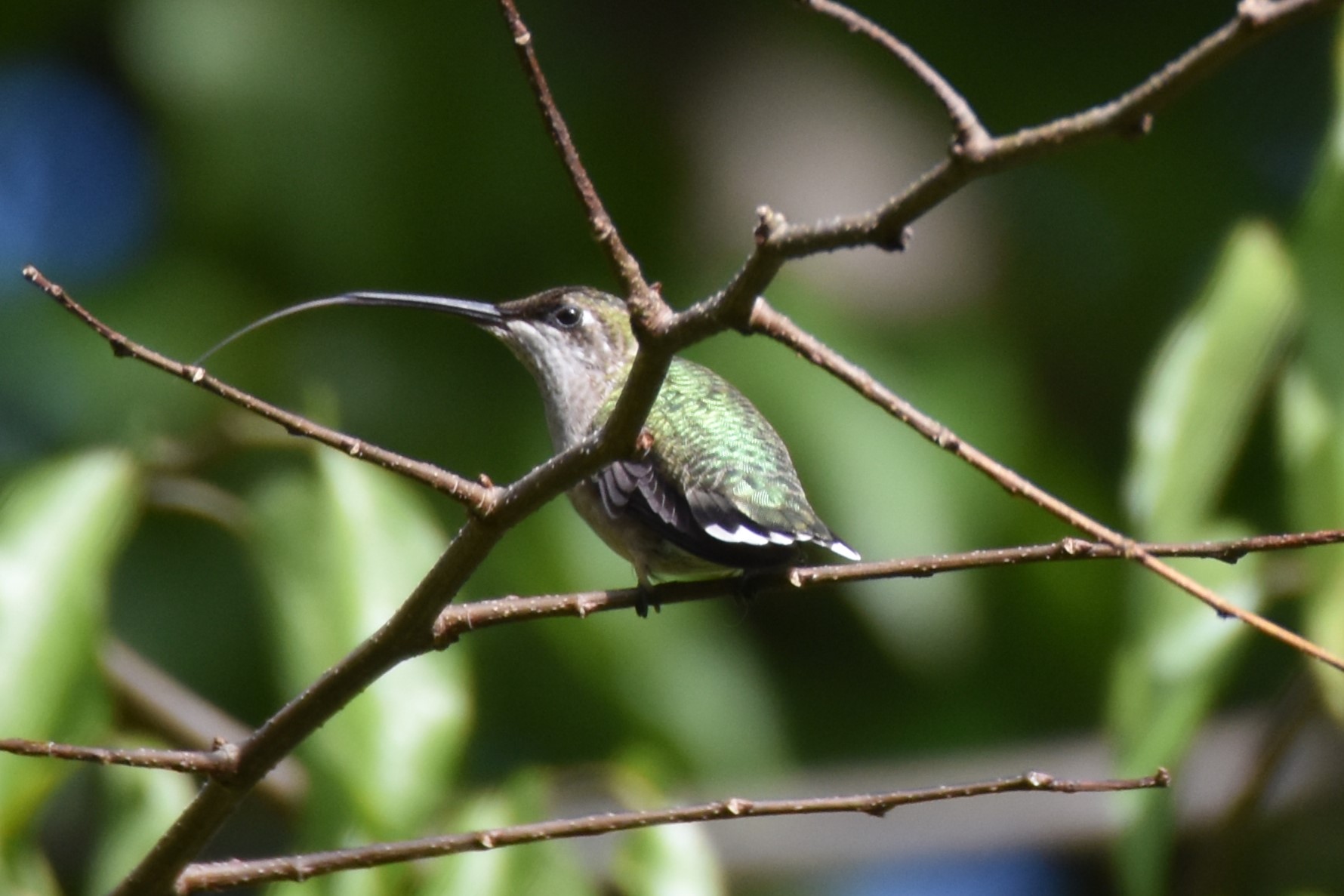
October 5 was the last day I saw two hummingbirds. The same for last year. Juvenile males are the last to leave on their great journey and in this first picture, you can see the little bit of red the young male has on his neck.
juvenile male ruby-throated hummingbird
The black-throated blue warbler was a first for me. He really is blue if you catch him in the light. One of my pictures on Instagram shows his blue. Unfortunately, it’s a bit blurry, so I didn’t include it here.
Black-throated blue warbler
The downy woodpeckers often visit my feeders, but I still enjoy capturing them (in pictures) when I see them in the woods while out walking. They are one bird I don’t have a problem identifying!
Downy Woodpecker
I’ve only seen a black and white warbler two other times, but wasn’t able to get a picture either time. On this day, one landed on a tree right in front of me and gave me a few seconds to take a few shots.
Black and white warbler
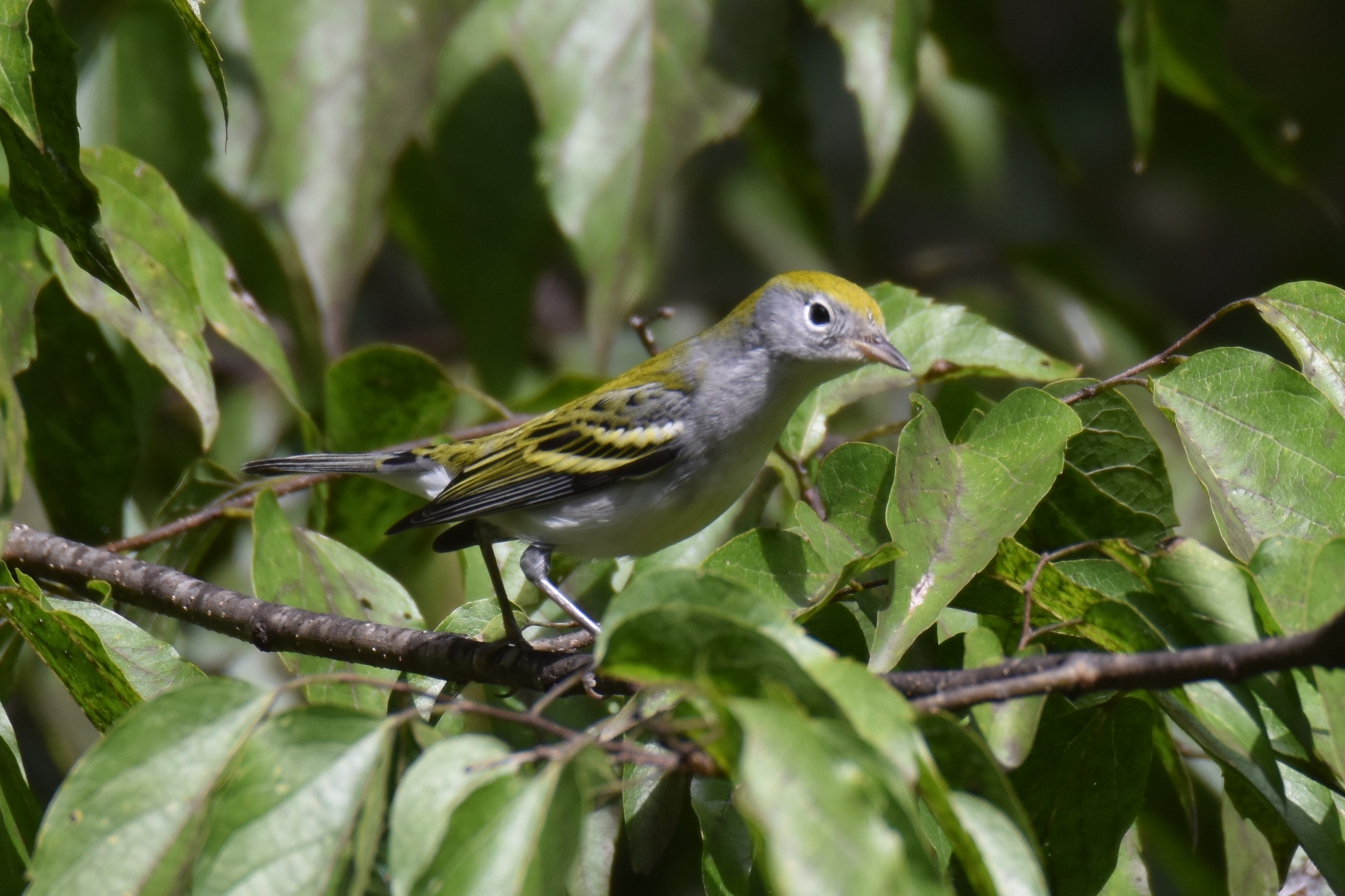
The Cape May Warbler is one of those I can often confuse with others. This is a female.
Cape May Warbler
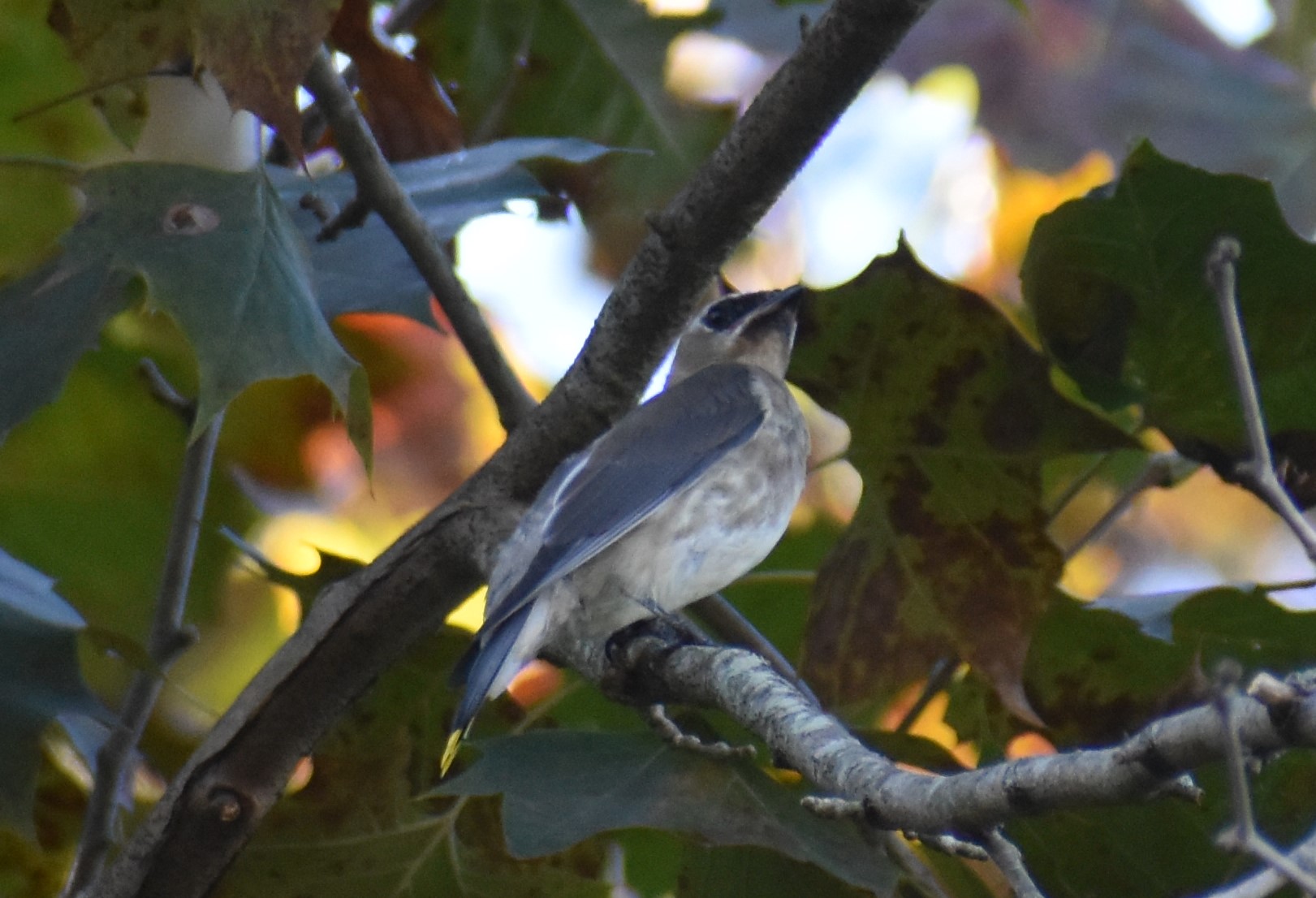
This juvenile waxwing was hard to see in the trees, so glad to get a shot.
Cedar waxwing
I had taken several pictures of this brown thrasher in the trees; at first, not even sure what I was seeing. Then he came out and gave me several nice poses. Not a bit shy.
Brown thrasher
The Great Egret and his reflection; looking contemplative.
Great Egret
Often when I’m out birding, I don’t pay much attention to the cardinals and chickadees because I see them so often. I’m glad I took this shot though as this male cardinal really stood out eating his snack in the yellow leaves.
Northern Cardinal
Getting a good shot of the kingfisher is always a challenge I enjoy. They are so noisy and fast as they twitter across the water.
Belted Kingfisher
I hope you enjoy seeing some of these birds. October has been a good month, so more coming soon.
The heavens declare the glory of God; the skies proclaim the work of his hands. Psalm 19:1



















































 pmgilmer